Custom Esports Jerseys: Design Pro-Level Gaming Team Uniforms
Create custom esports jerseys that look pro on stream and at tournaments. Covers gamer tag placement, sponsor layouts, camera-friendly colors, and comfort for long gaming sessions.
Marcus Chen
E-Commerce Growth & Merchandising Lead at RareCustom. MBA from Wharton, former Shopify strategist. Marcus has helped 200+ merchants launch custom merchandise lines and specializes in business strategy, bulk ordering, and fundraising programs.
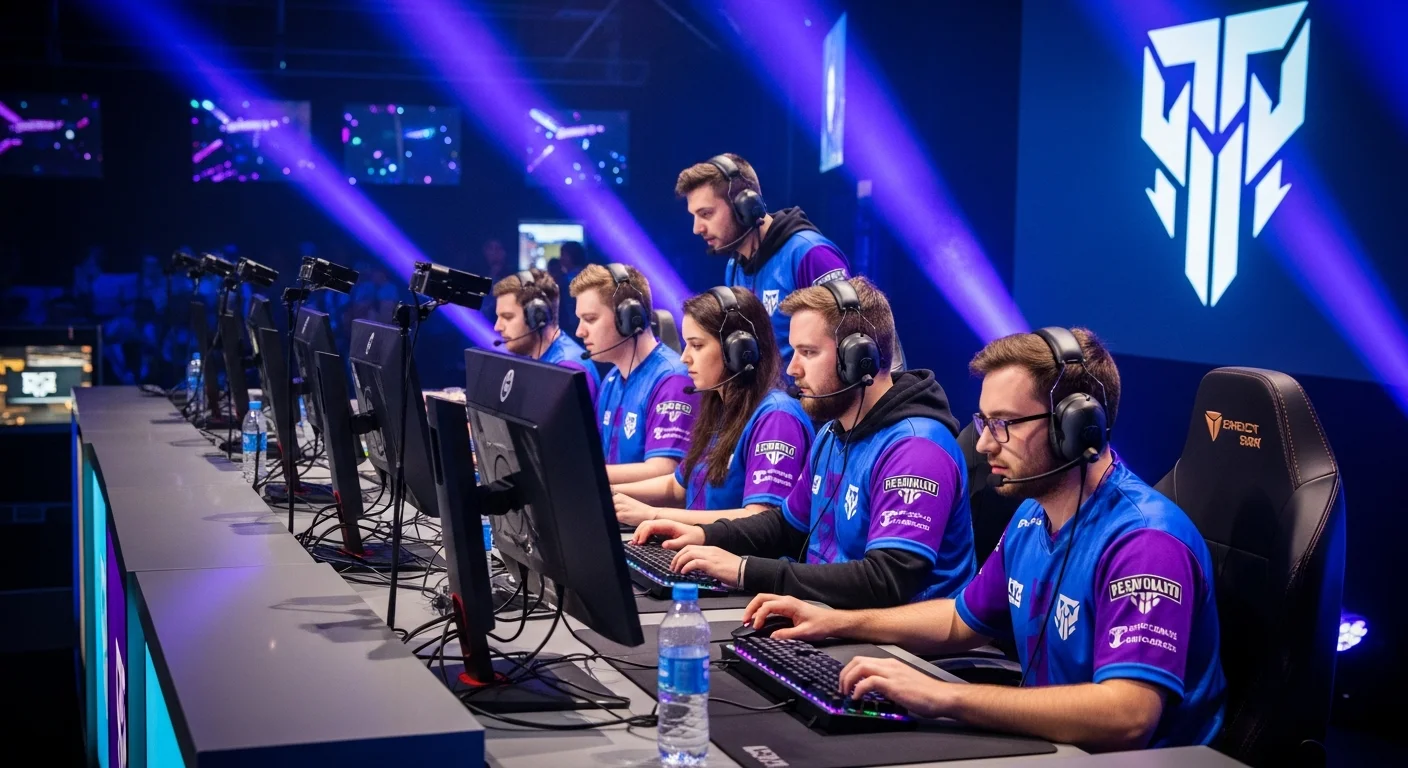
Esports has its own jersey culture that borrows from traditional sports but plays by entirely different rules. Custom esports jerseys need to look sharp on a streaming camera, accommodate multiple sponsor logos, display gamer tags instead of traditional names, and keep players comfortable during eight-hour gaming sessions rather than 60-minute games. The design principles that make a great basketball jersey do not automatically translate to a great esports jersey.
Whether your team competes in League of Legends, Valorant, Counter-Strike, Overwatch, or any other title, a professional-looking jersey signals legitimacy and commitment. It tells tournament organizers, sponsors, and fans that your team is serious. Here is how to design an esports jersey that meets the unique demands of competitive gaming.
What Makes Esports Jerseys Different
Traditional sports jerseys are designed to be seen at a distance in a stadium. Esports jerseys are designed to be seen close-up on camera. This fundamental difference changes everything: colors need to read well on webcams and under studio lighting, text needs to be legible at screen resolution, and the overall design needs to pop in thumbnail images and social media posts.
Esports players also wear their jerseys while seated for extended periods, so comfort requirements differ from athletic jerseys. The fabric should be lightweight and breathable but does not need the extreme moisture-wicking or abrasion resistance of traditional sports fabrics. A softer polyester blend or lightweight mesh works well.

Gamer Tag Placement and Formatting
Instead of last names, esports jerseys feature gamer tags (in-game names). These are typically shorter than traditional last names and may include numbers, symbols, or unconventional capitalization. Place the gamer tag across the upper back, similar to a player name on a traditional jersey, but size it to accommodate both short tags (3-5 characters) and longer ones (8-12 characters) without looking disproportionate.
Some teams also display the gamer tag on the front chest, especially if the team does not have a traditional front number. The gamer tag becomes the primary identifier and should be prominently visible during on-camera interviews and stage appearances.
Sponsor Layout Strategy
Esports jerseys typically carry more sponsors than traditional sports jerseys. A professional esports team might display five to ten sponsor logos across the front, back, and sleeves. The key is creating a structured layout hierarchy that gives primary sponsors the most visible positions (center front, upper back) while fitting secondary sponsors cleanly into remaining zones (sleeves, lower front, side panels).
Plan your sponsor layout before approaching potential sponsors. Knowing exactly where each tier of sponsorship appears on the jersey makes your sponsorship pitch more professional and gives sponsors clear expectations about their logo visibility. For layout techniques, reference our design placement guide.
Camera-Friendly Color Choices
Webcams and studio cameras process colors differently than the human eye. Very dark colors can appear flat and lose detail on camera. Very bright neon colors can bloom and distort. Mid-tone saturated colors — electric blue, deep purple, teal, magenta — tend to read best on screen.
Avoid pure white as the primary body color for jerseys that will be filmed frequently. White can blow out under studio lighting and makes it harder for cameras to auto-expose. A slightly off-white or light grey provides similar visual impact without the exposure challenges.
Design Aesthetics That Work for Gaming
Esports design trends lean more aggressive, geometric, and futuristic than traditional sports aesthetics. Angular patterns, sharp color transitions, and tech-inspired motifs resonate with gaming audiences. Cyberpunk-influenced elements, circuit board patterns, and pixel-art touches all communicate "gaming" effectively.
That said, clean minimalist designs also work beautifully in esports. Some of the most recognizable esports jerseys use simple color blocking with a prominent team logo. The design should reflect your team's personality — whether that is aggressive and edgy or sleek and professional.

Comfort for Extended Wear
Unlike traditional sports where jerseys are worn for a game and then removed, esports players wear their jerseys for entire tournament days — sometimes 10-12 hours of sitting, playing, and interacting with fans. Prioritize comfort: lightweight fabric (130-160 GSM), no irritating seams at pressure points where arms rest on a desk, and a cut that does not bunch up when seated.
Many esports teams choose a relaxed or semi-fitted cut rather than the tight athletic cuts used in traditional sports. This provides comfort during long seated sessions while still looking professional on camera.
Tournament Regulation Compliance
Major esports tournaments have uniform guidelines similar to traditional sports leagues. Common requirements include minimum team logo size, restrictions on competitor brand logos (you cannot display a monitor brand that competes with the tournament sponsor), and guidelines on acceptable content. Review tournament rules before finalizing your design to avoid last-minute changes.
Building Your Esports Brand
Your jersey is often the first piece of brand merchandise for a new esports team. Design it as part of a broader brand system: coordinate the jersey with your social media avatars, stream overlays, and website design. Consistency across these touchpoints builds recognition faster than any single element alone.
Frequently Asked Questions
How much do custom esports jerseys cost?
Custom esports jerseys typically cost $30-$55 per unit depending on order volume and customization level. Sublimated esports jerseys with multiple sponsor logos, gamer tags, and full-color designs fall in the same pricing range as traditional sports jerseys.
Can small gaming teams get professional-looking custom jerseys?
Absolutely. Many jersey providers have no minimum order, and sublimation quality is identical whether you order 5 or 50 jerseys. A five-person team can get the same print quality and design options as a professional esports organization.
What fabric is best for esports jerseys?
Lightweight polyester mesh (130-160 GSM) or a soft polyester blend works best. It is breathable enough for long wear sessions and accepts sublimation printing perfectly. Avoid heavy athletic mesh — the extra weight is unnecessary for seated play and can be uncomfortable.
How do I accommodate multiple sponsor logos on an esports jersey?
Create a tiered layout: primary sponsor on center front chest, secondary sponsors on sleeves and lower front, tertiary sponsors on the back. Use a clean grid system to keep multiple logos organized and prevent visual clutter. Sublimation handles any number of logo colors without additional cost.
Share this article
Written by
Marcus Chen
E-Commerce Growth & Merchandising Lead at RareCustom. MBA from Wharton, former Shopify strategist. Marcus has helped 200+ merchants launch custom merchandise lines and specializes in business strategy, bulk ordering, and fundraising programs.