Custom Jute Tote Bags: Eco-Friendly Style for Every Occasion
Discover why custom jute tote bags are the eco-friendly choice for events, weddings, and promotions. Learn about jute properties, printing options, laminated vs unlaminated, and how to design the perfect jute tote.
Natalie Voss
Founder & CEO of RareCustom. Natalie is committed to sustainable business practices and leads RareCustom's initiative to offer eco-friendly custom apparel options.
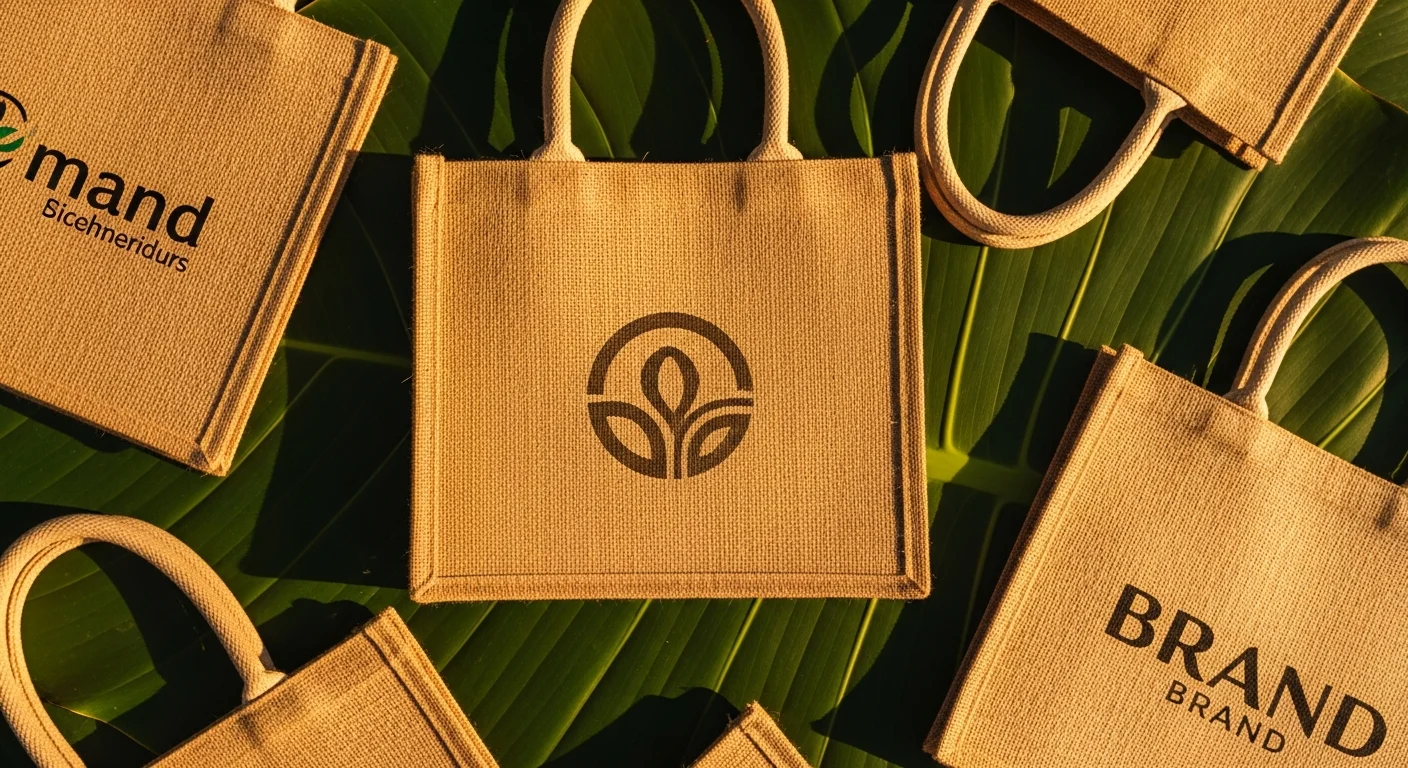
Custom tote bags come in many materials, but jute stands out for its distinctive natural texture, eco-friendly credentials, and rustic aesthetic that communicates sustainability without saying a word. Jute tote bags have become a staple at farmers markets, wine shops, beach weddings, and eco-conscious brand promotions — and the trend is only growing as consumers increasingly favor natural materials over synthetics.
This guide covers everything you need to know about custom jute tote bags — from the material properties that make jute special to the best printing methods, construction options, and design tips for creating bags that look as good as they feel.
What Is Jute and Why Is It Special?
Jute is a natural vegetable fiber harvested from the stems of the Corchorus plant, grown primarily in Bangladesh and India. It is the second most produced natural fiber in the world after cotton, and it is one of the most environmentally responsible textile materials available. Jute plants grow quickly (reaching harvest height in 4-6 months), require no pesticides, and actually improve soil quality for future crops through nitrogen fixation.
Jute fiber has several properties that make it ideal for tote bags: it is naturally strong (tensile strength comparable to cotton canvas), lightweight, breathable, and fully biodegradable. A jute tote bag left in a compost pile will decompose completely within 1-2 years, leaving no synthetic residue. By contrast, a non-woven polypropylene bag takes 20-30 years to break down, and a polyester bag can persist for hundreds of years.
The distinctive look of jute — its visible fiber texture, warm golden-brown color, and slightly rough hand feel — is part of its appeal. Jute tote bags communicate earthiness, sustainability, and artisanal quality through their material alone, before any custom design is even applied.

Laminated vs Unlaminated Jute
Custom jute tote bags are available in two main constructions: laminated and unlaminated. Understanding the difference helps you choose the right option for your project.
Unlaminated jute is raw jute fabric with no interior coating. It has a rough, natural texture on both the exterior and interior surfaces. Unlaminated jute is fully biodegradable, the most affordable jute option, and ideal for dry goods like books, clothing, produce, and gifts. The downside is that liquids can seep through the open weave, making unlaminated jute impractical for wet items or bags that may encounter rain.
Laminated jute has a thin plastic or wax coating on the interior surface. This coating makes the bag water-resistant, easier to clean (you can wipe spills off the interior), and slightly more rigid. Laminated jute bags are preferred for grocery shopping (where produce moisture or container condensation is common), wine bottle totes, and beach bags. The lamination adds approximately $0.50-$1.00 per bag in production cost.
A common compromise is partial lamination — coating only the bottom panel and lower 2-3 inches of the side panels. This provides spill protection where it matters most while maintaining the natural jute feel on the upper portions of the bag that the user handles most frequently.

Printing on Jute: What Works Best
Jute's coarse fiber texture affects how different printing methods perform. Here is a practical guide to each option:
Screen printing is the most popular method for custom jute tote bags. The thick ink layer sits on top of the jute fibers, producing bold, opaque results even on the textured surface. One to three colors work best — the coarse weave pattern is visible through lighter ink coverage, so solid fills with simple bold designs produce the cleanest results. Screen printing on jute is ideal for logos, company names, event dates, and simple illustrations.
Heat transfer works well on laminated jute because the smooth interior lamination provides a more uniform surface for transfer adhesion on the reverse side. For exterior printing, heat transfer vinyl (HTV) can be applied directly to jute for smaller designs, though the textured surface can cause minor adhesion issues with very fine details.
DTG printing is generally not recommended for jute. The coarse, uneven fiber surface prevents the inkjet heads from achieving consistent ink coverage, resulting in spotty, uneven prints. If you need unlimited-color photographic printing, consider custom canvas tote bags instead, which have a smooth surface ideal for DTG.
Embroidery works beautifully on jute and is our recommended premium option. The thick fibers provide a stable foundation for embroidery needles, and the contrast between colorful thread and natural jute creates a striking visual effect. Embroidered jute tote bags are especially popular for weddings and corporate gifts.

Popular Jute Tote Bag Styles
Standard jute tote: Open-top design with reinforced cotton web handles. Dimensions typically 14" W x 12" H x 6" D. The most versatile option for general promotional use and everyday carry.
Jute wine tote: Narrow divided compartments for 1-2 wine bottles with reinforced bottom. Popular for wineries, wine clubs, and wedding favors. Often features a single-color screen-printed logo on the front panel.
Jute grocery bag: Wide bottom gusset with reinforced base, laminated interior, and longer handles for over-shoulder carry. Designed to replace plastic grocery bags and withstand weekly shopping trips.
Jute beach tote: Oversized dimensions (18"+ wide) with water-resistant laminated interior and rope handles. Often paired with custom hats and custom tumblers for vacation and resort brand packages.
Small jute favor bag: Compact drawstring or snap-closure jute bag sized for wedding favors, gift packaging, or small gift items. Typically 6" x 8" with a simple one-color print or embroidered monogram.

Jute Tote Bag Care and Maintenance
Proper care keeps your custom jute tote bags looking their best and extends their usable lifespan. Jute is a natural plant fiber and requires slightly different maintenance than cotton canvas or synthetic materials. With the right care practices, a well-made jute tote bag will last 2-4 years of regular use — comparable to mid-weight cotton canvas bags.
Cleaning: Jute should not be machine washed. The natural fibers can weaken and shed when saturated and agitated in a washing machine. Instead, spot-clean jute bags with a damp cloth and mild soap. For more thorough cleaning, gently hand wash the bag in cold water with a small amount of gentle detergent, then squeeze out excess water without wringing (which can distort the weave) and air dry flat or hanging. Unlaminated jute should be dried completely before storage to prevent mildew.
Stain removal: Address stains promptly for best results. Blot liquid spills immediately with an absorbent cloth — do not rub, as this pushes the stain deeper into the jute fibers. For oil-based stains, sprinkle baking soda or cornstarch on the affected area, let it absorb for 30 minutes, then brush off gently. For stubborn stains, a paste of baking soda and water applied with a soft brush can help lift discoloration without damaging the fibers.
Odor prevention: Jute has a mild natural scent when new, which fades with use. If a jute bag develops odors from carrying food items, sprinkle baking soda inside the bag, leave overnight, and shake or vacuum out the next day. Placing the bag in direct sunlight for 2-3 hours also helps neutralize odors naturally through UV exposure.
Storage: Store jute bags in a cool, dry place with good air circulation. Avoid sealed plastic bags or damp basements, which promote mildew growth on natural plant fibers. If storing for extended periods, stuff the bag with tissue paper or newspaper to maintain its shape and prevent creasing.
Popular Jute Bag Uses by Industry
Custom jute tote bags have carved out strong niches across several industries where their natural aesthetic, eco-friendly credentials, and distinctive texture align perfectly with brand values and customer expectations:
Wine and spirits: Wineries, breweries, and distilleries favor jute wine totes for tasting room sales, wine club shipments, and gift packaging. The natural material complements artisanal beverage branding, and divided jute totes protect bottles during transport. Single-color screen-printed logos on jute wine bags are among the most popular custom orders in this category.
Farmers markets and organic food: Natural food producers, co-ops, and farmers market vendors use branded jute grocery bags as both merchandise and marketing tools. Customers carrying branded jute bags through the market create organic advertising that reaches the exact audience most likely to become repeat customers. The eco-friendly material aligns perfectly with the values of organic and locally sourced food brands.
Hospitality and events: Hotels, resorts, and event planners use custom jute tote bags as welcome bags for guests, conference attendees, and wedding parties. The natural texture provides a warm, welcoming aesthetic that paper or plastic bags cannot match. Jute welcome bags filled with local products, itineraries, and branded stickers create memorable first impressions for arriving guests.
Retail and boutique: Specialty retailers, artisan shops, and boutique brands use jute bags as premium shopping bags that customers keep and reuse. Unlike paper shopping bags that are recycled after one use, a branded jute shopping bag continues generating brand impressions for years. The perceived value of a jute bag is significantly higher than paper or standard plastic, which elevates the overall shopping experience.
Corporate sustainability programs: Companies with environmental, social, and governance (ESG) commitments use custom jute tote bags as part of their sustainable merchandise programs. Jute bags distributed at corporate retreats, sustainability summits, and employee onboarding communicate the company's environmental values in a tangible way. Paired with organic cotton t-shirts and reusable mugs, jute totes complete a sustainable swag kit that reinforces corporate sustainability messaging.
Jute vs Cotton vs Non-Woven: Material Comparison
Choosing between jute, cotton canvas, and non-woven polypropylene is one of the most common decisions when ordering custom tote bags. Each material serves different priorities, and understanding the tradeoffs helps you select the right option for your specific project and budget.
Jute vs cotton canvas: Jute offers a more distinctive visual texture and lower carbon footprint (jute plants absorb more CO2 per hectare than cotton), while cotton canvas provides a smoother printing surface and wider color options. Cotton canvas is the better choice for detailed multi-color designs, DTG printing, and bags that need frequent washing. Jute is the better choice when natural aesthetics, rustic charm, and environmental differentiation are priorities. In terms of cost, jute and cotton canvas are comparable at similar quality levels.
Jute vs non-woven polypropylene: Non-woven bags are the cheapest tote option available — typically 50-70% less expensive than jute. However, non-woven bags are made from petroleum-based plastic, have a cheap feel that reflects poorly on premium brands, and break down into microplastics when they eventually degrade. Jute costs more upfront but delivers dramatically better brand perception, genuine environmental benefits, and a longer usable lifespan. For any project where brand image matters, jute is the clear winner over non-woven.
Jute vs recycled PET: Both materials offer strong sustainability stories, but through different approaches. Jute is a natural, renewable, biodegradable fiber; recycled PET diverts plastic waste from landfills but remains a synthetic, non-biodegradable material. Jute has a warmer, more organic aesthetic; recycled PET is smoother and better suited for sublimation printing. The choice often comes down to which sustainability narrative resonates more with your specific audience — natural materials or waste diversion.
Design Tips for Jute Tote Bags
Designing for jute requires a different mindset than designing for smooth canvas. The visible fiber texture becomes part of your design, so embrace it rather than fighting it. Here are practical design tips for getting the best results:
Keep designs bold and simple. Fine lines, small text, and detailed illustrations can get lost in jute's textured surface. Use thick lines (minimum 2pt stroke), large text (minimum 18pt font), and solid fills. Sans-serif fonts perform better than serifs on jute.
Limit your color palette. One to three colors produce the cleanest results on jute. Each additional color adds a screen printing setup pass, and the textured surface can cause slight registration issues between colors. A single bold color (black, navy, or dark brown) on natural jute is a classic, proven combination.
Use the natural jute color as part of your design. Instead of printing a solid background, let the jute show through as a design element. This looks more professional, uses less ink, and highlights the natural material — which is why your customer chose jute in the first place.
Position artwork in the center of flat panels. Avoid placing critical design elements near seams, gusset folds, or handle attachment points where the fabric wraps or bunches.
Create Your Custom Jute Tote Bags
Jute tote bags deliver a sustainability message through their material alone, and custom printing adds your brand story on top. Whether you are creating business promotional bags, wedding favors, or eco-friendly retail packaging, jute offers a distinctive look that canvas and non-woven simply cannot match.
Start designing your custom jute tote bags with our free design tool. Choose your style, upload your artwork, and preview your design in real-time. No minimum orders, free shipping on orders $75+, and a 100% satisfaction guarantee on every order. Contact our team for help selecting the right jute style, lamination option, and printing method for your project. You can also explore our other custom products including custom hoodies, custom hats, and custom tumblers to round out your branded merchandise lineup.
Share this article
Written by
Natalie Voss
Founder & CEO of RareCustom. Natalie is committed to sustainable business practices and leads RareCustom's initiative to offer eco-friendly custom apparel options.