Custom T-Shirt Design Trends for 2026: What's Hot Right Now
Discover the biggest custom t-shirt design trends for 2026. From retro typography to AI-assisted designs, eco prints, and oversized fits. Stay ahead of the curve.
Camille Dupont
Creative Director at RareCustom. BFA from RISD with 9+ years in graphic design. Camille tracks emerging design trends and translates them into actionable inspiration for custom apparel.
The custom t-shirt industry evolves faster than most people realize. What felt fresh eighteen months ago can already look dated on the rack, and staying ahead of the curve is the difference between a design that turns heads and one that blends into the background. Whether you are creating merch for your brand, outfitting a team, or launching a print-on-demand store, understanding the latest custom t-shirt design trends gives you a serious competitive edge heading into 2026.
This year's trends reflect a fascinating collision of nostalgia and technology. Designers are pulling from decades past while simultaneously embracing tools that did not exist a year ago. The result is a creative landscape where retro fonts share space with AI-generated artwork, earth-tone palettes coexist with maximalist all-over prints, and sustainability has moved from a marketing buzzword to a genuine design driver.
1. Retro and Y2K Typography Revival

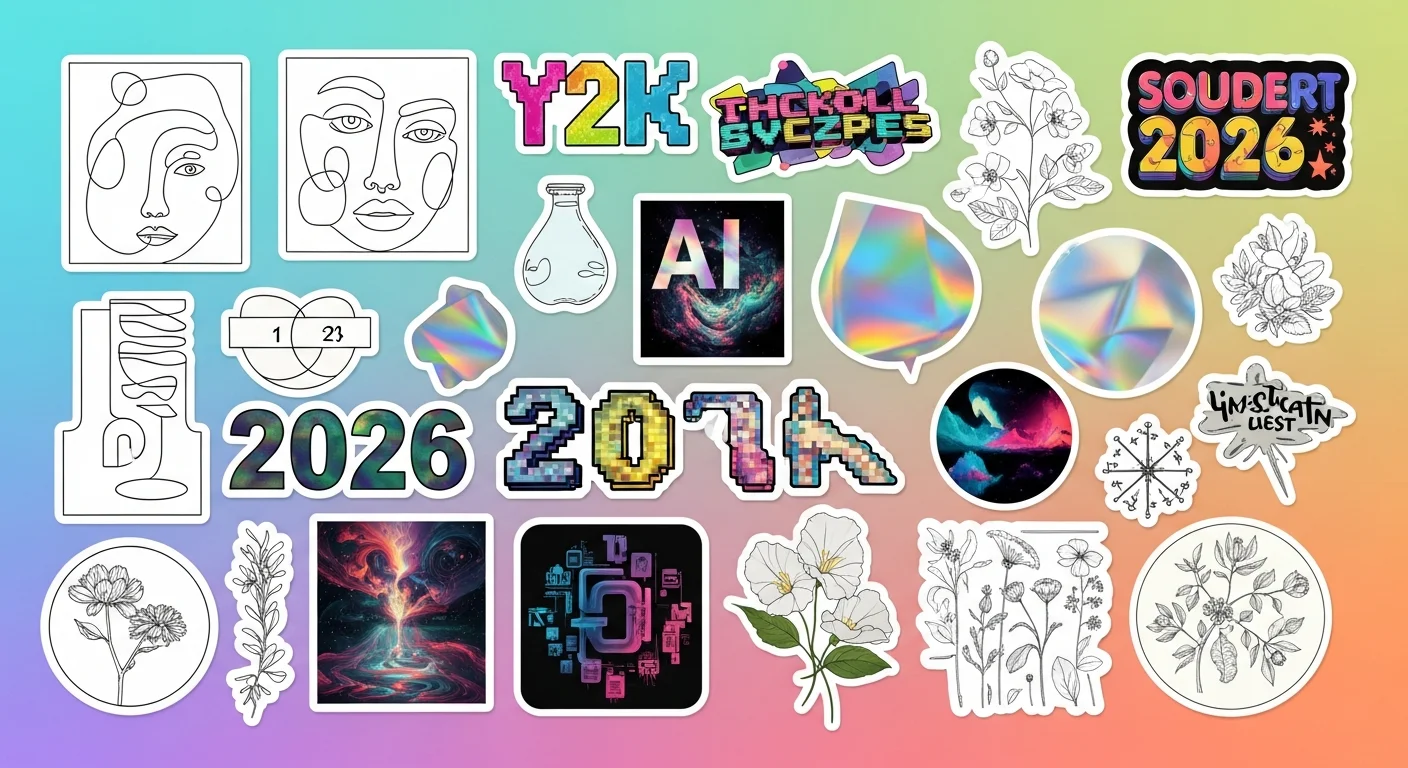
Typography has always been the backbone of great t-shirt design, and in 2026 the pendulum has swung decisively toward retro letterforms. Y2K-inspired bubble fonts, chrome-effect type, and pixel-style lettering are dominating streetwear and custom apparel alike. These styles carry a built-in sense of fun and nostalgia that resonates with Gen Z consumers who are discovering the aesthetic for the first time and millennials who remember it firsthand.
Chunky serif fonts from the 1970s are experiencing a parallel revival, especially on earth-tone garments where they evoke a handcrafted, vintage feel. Pairing a bold retro headline with a clean modern subline creates visual tension that draws the eye and holds attention. If you want a deeper dive into typography for apparel, our guide on the best fonts for custom t-shirt designs covers font pairing strategies in detail.
The key to pulling off retro typography without looking costume-y is restraint. Choose one era and commit to it. Mixing 1970s serif fonts with 2000s bubble type on the same shirt creates visual confusion. Let the typography carry the design by keeping background graphics simple or nonexistent. A single retro headline on a well-fitted blank tee is often more impactful than a complex illustration.
2. Minimalist One-Color Designs

After years of maximalism and full-color digital prints, a significant segment of the market has pivoted to intentional simplicity. One-color designs printed on premium blanks are having a major moment in 2026. The appeal is straightforward: a single-ink design forces the designer to focus on concept and composition rather than hiding behind color gradients and photographic detail.
This trend works particularly well for brand merchandise, small business uniforms, and personal projects where the goal is a shirt people will actually wear daily. A subtle chest logo, a single typographic statement, or a hand-drawn line illustration in one ink color on a high-quality garment communicates confidence and taste. It also happens to be one of the most cost-effective printing approaches, especially with custom screen printing.
Minimalist designs also translate beautifully across printing methods. Whether you choose screen printing for bulk orders or DTG for on-demand fulfillment, a single-color design maintains consistency and reduces the chance of color matching issues across production runs.
3. AI-Assisted Custom Graphics
Artificial intelligence has fundamentally changed how people create custom t-shirt artwork. In 2026, AI-assisted design tools have matured to the point where they produce production-ready graphics that rival the work of professional illustrators. Customers who previously lacked design skills can now generate unique illustrations, abstract patterns, and stylized portraits that they can upload directly to a design tool and print on demand.
The most popular use cases for AI-generated t-shirt art include surrealist landscapes, stylized pet portraits, abstract geometric compositions, and mashup concepts that would be prohibitively expensive to commission from a human illustrator. Designers are also using AI as a starting point, generating rough concepts that they then refine by hand, blending computational creativity with human taste.
If you are new to creating artwork for shirts, our beginner's guide to designing custom t-shirts walks you through the fundamentals of file preparation, resolution requirements, and design placement. AI-generated art still needs to meet the same technical specifications as any other uploaded design, so understanding those basics remains essential.
4. Oversized and Boxy Fits
The silhouette of the t-shirt itself has become as important as the graphic printed on it. Oversized and boxy fits continue to gain momentum in 2026, driven by streetwear culture and a broader cultural shift toward comfort-first fashion. Drop shoulders, extended body lengths, and wider chest measurements create a relaxed drape that looks effortlessly cool and flatters a wide range of body types.
From a design perspective, oversized fits offer a larger canvas. Graphics can be scaled up without feeling cramped, and all-over prints have more real estate to work with. The boxy cut also lends itself well to back prints, which are surging in popularity as consumers increasingly treat the back of a tee as the primary design surface.
When ordering oversized blanks for custom printing, pay attention to the garment dimensions rather than the labeled size. An oversized medium from one brand may fit like a standard large from another. Always request a size chart from your supplier and consider ordering a sample before committing to a bulk run. You can start designing your own oversized custom tee right now using our free online design tool.
5. Earth-Tone and Natural Palettes
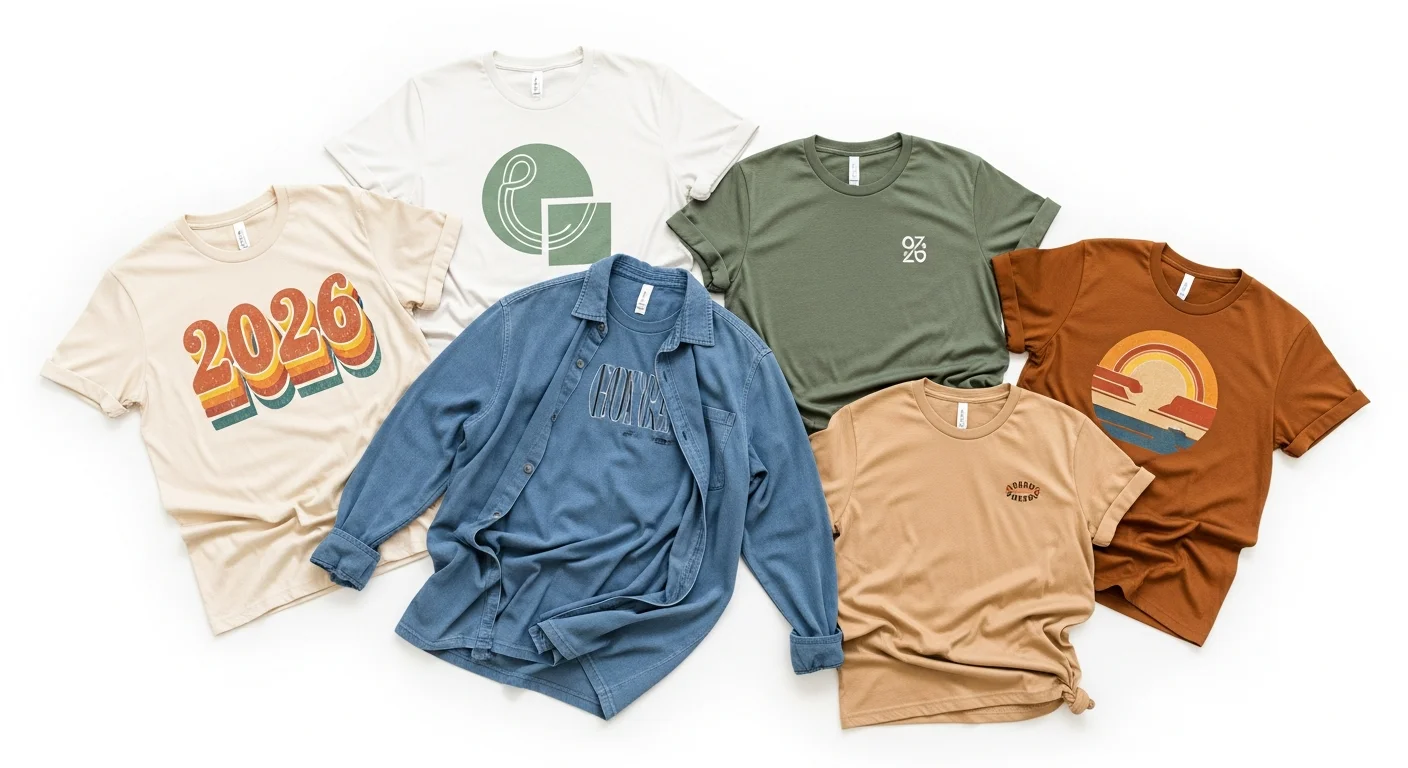
The color palette of 2026 custom apparel skews warm, muted, and organic. Sage greens, terracotta, dusty rose, oatmeal, and warm taupes have replaced the stark blacks and bright neons that dominated previous years. These earth tones align with the broader sustainability movement and project a sense of calm, authenticity, and connection to nature.
Earth-tone blanks pair exceptionally well with cream or off-white ink, creating a tonal design effect that feels premium without being loud. This palette is particularly popular for lifestyle brands, wellness companies, outdoor organizations, and event apparel where the vibe is relaxed and grounded. For events like weddings, retreats, and outdoor festivals, earth-tone custom event t-shirts create a cohesive aesthetic that photographs beautifully in natural light.
6. Hand-Drawn Illustration Style
In a landscape increasingly populated by AI-generated and digitally perfect graphics, hand-drawn illustrations have become a powerful differentiator. Imperfect line work, visible pen strokes, and sketchy textures communicate authenticity and craft in a way that pixel-perfect digital art cannot. This trend spans whimsical doodle styles, detailed botanical illustrations, and loose portrait sketches.
Hand-drawn designs work especially well for independent artists, small businesses, and community organizations that want their merchandise to feel personal rather than corporate. The organic quality of hand illustration pairs naturally with the earth-tone palettes and minimalist approach already trending in 2026, creating a cohesive design language that feels intentional and curated.
7. Gradient and Ombre Prints
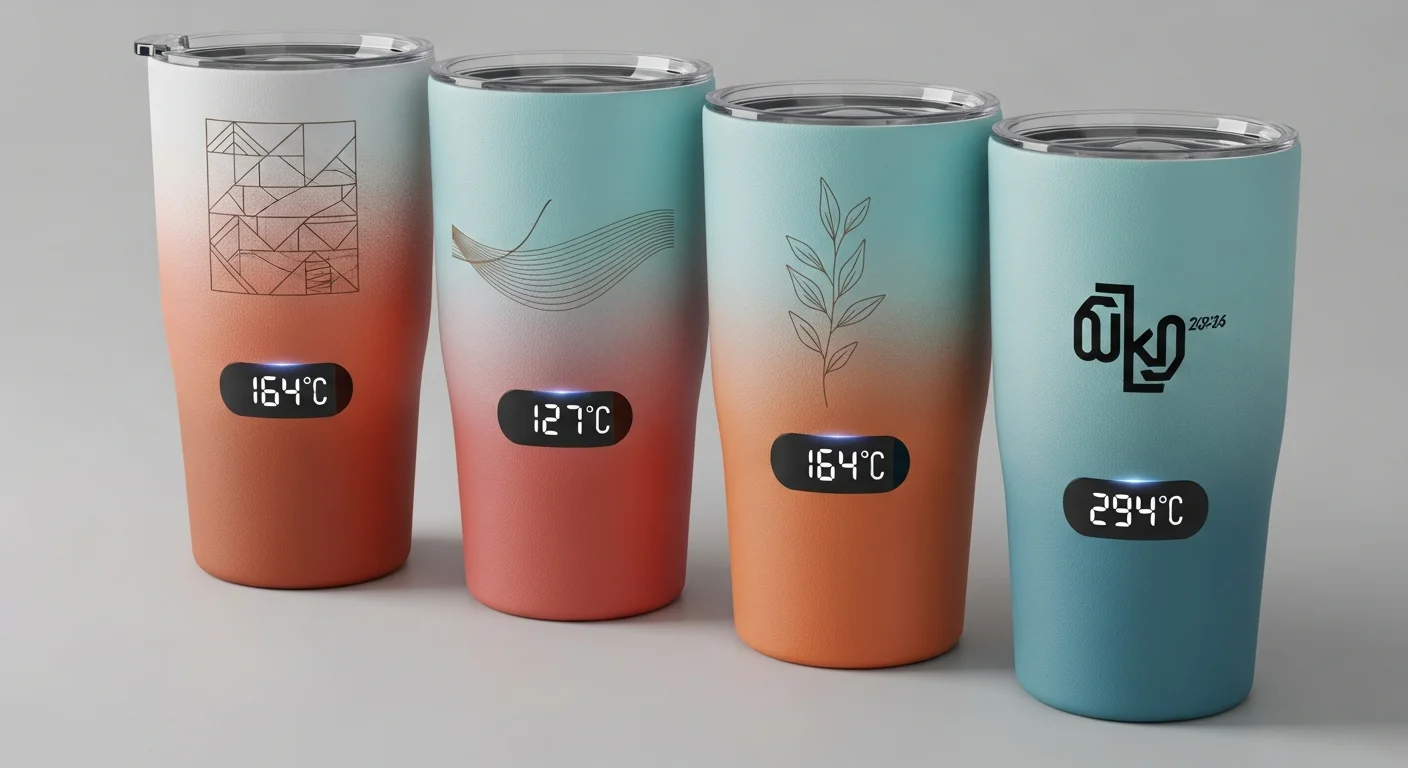
Color gradients are back in a big way, but the execution has evolved. Where previous gradient trends leaned into bright, synthetic color transitions, the 2026 version favors subtle, sophisticated ombre effects. Think sunset-inspired fades from burnt orange to deep burgundy, or oceanic transitions from teal to midnight blue. These gradients add visual depth without overwhelming the design.
From a technical standpoint, gradient prints require DTG or sublimation printing to achieve smooth color transitions. Screen printing can approximate gradients through halftone techniques, but the results are intentionally different, producing a vintage, dot-pattern effect that has its own aesthetic appeal. Understanding which printing method matches your design vision is critical for achieving the result you envision.
8. Personalized Photo Prints
Photo-realistic prints on t-shirts have improved dramatically thanks to advances in DTG and DTF printing technology. In 2026, personalized photo tees are no longer limited to tourist shops and novelty gifts. High-resolution family portraits, pet photos, travel memories, and artistic photography are being printed on premium garments with color accuracy and detail that rivals a framed print.
The key to a successful photo tee is starting with a high-resolution image, at minimum 300 DPI at print size. Low-resolution photos produce blurry, pixelated prints that undermine the entire concept. Pair the photo with a complementary blank color and consider the placement carefully. A well-executed photo print on a quality garment becomes a wearable piece of personal art.
9. Maximalist All-Over Prints
On the opposite end of the spectrum from minimalism, maximalist all-over prints are thriving in 2026. These designs cover the entire surface of the garment, from collar to hem and seam to seam, with bold patterns, repeated motifs, or complex illustrations. All-over printing transforms a t-shirt from a canvas with a graphic into a fully integrated piece of wearable art.
This trend is particularly popular in streetwear, festival fashion, and artist merchandise where standing out is the primary objective. Sublimation printing on polyester blanks delivers the most vivid results for all-over designs because the dye bonds directly with the fibers, creating prints that are literally part of the fabric rather than sitting on top of it.
10. Sustainability-Driven Design
Sustainability has moved beyond a marketing talking point and into the actual design process. In 2026, eco-conscious consumers are scrutinizing not just the fabric of their shirts but the printing process, ink composition, and packaging. Water-based inks, organic cotton blanks, recycled polyester blends, and plastic-free packaging have become baseline expectations for a growing segment of the market.
Design-wise, sustainability manifests as smaller print areas that use less ink, earth-tone palettes that align with natural and organic branding, and messaging that communicates environmental values without greenwashing. Brands that genuinely commit to sustainable practices and communicate them through their design choices are earning outsized loyalty from consumers who vote with their wallets.
Frequently Asked Questions
What are the biggest custom t-shirt design trends for 2026?
The top trends for 2026 include retro Y2K typography, minimalist one-color designs, AI-assisted custom graphics, oversized boxy fits, earth-tone color palettes, hand-drawn illustrations, gradient and ombre prints, personalized photo tees, maximalist all-over prints, and sustainability-driven design choices. The common thread across all these trends is a focus on authenticity and personal expression.
Are AI-generated designs acceptable for custom t-shirt printing?
Yes. AI-generated artwork is widely used for custom t-shirt printing in 2026. The key requirements are the same as any other artwork: the file must be high resolution (at least 300 DPI at print size), saved in a compatible format such as PNG or PDF, and properly sized for the print area. Many designers use AI as a starting point and then refine the output manually for the best results.
Which printing method works best for gradient and ombre t-shirt designs?
DTG (direct to garment) and sublimation printing deliver the smoothest gradient and ombre effects because they can reproduce continuous color transitions without halftone dots. Screen printing can approximate gradients using halftone techniques, but the result has a more textured, vintage appearance. Choose your method based on the aesthetic you prefer and the fabric you are printing on.
How do I make my custom t-shirt designs look more professional?
Focus on three fundamentals: use high-resolution artwork at 300 DPI or above, limit your color palette to create cohesion, and choose typography deliberately rather than defaulting to the first font you find. Starting with a premium quality blank garment also elevates the perceived value of the finished product significantly.
Is the oversized t-shirt trend still popular in 2026?
Absolutely. Oversized and boxy fits continue to dominate in 2026, especially in streetwear and casual fashion. The relaxed silhouette flatters a wide range of body types and provides a larger canvas for graphic designs. When ordering oversized blanks, always check the garment dimensions rather than relying on the labeled size to ensure the fit matches your expectations.
Share this article
Written by
Camille Dupont
Creative Director at RareCustom. BFA from RISD with 9+ years in graphic design. Camille tracks emerging design trends and translates them into actionable inspiration for custom apparel.