Custom Phone Case Design Trends 2026: What's Hot This Year
Discover the hottest custom phone case design trends for 2026 including MagSafe ecosystem expansion, crossbody cases, Y2K revival aesthetics, AI-generated art, minimalist designs, 3D textures, and trending color palettes.
Camille Dupont
Creative Director at RareCustom. BFA from RISD with 9+ years in graphic design. Camille tracks emerging design trends and translates them into actionable inspiration for custom apparel.
The custom phone case industry moves at the speed of fashion, technology, and social media culture simultaneously. What felt fresh six months ago can feel dated today, and the trends shaping 2026 reflect a fascinating convergence of functional innovation, nostalgic aesthetics, and AI-powered creativity. Phone case trends 2026 are defined by a tension between maximalism and minimalism, between digital art tools and handcrafted textures, between cutting-edge technology and retro design sensibilities.
This comprehensive guide examines the twelve most significant phone case design trends dominating 2026 — from the continued expansion of the MagSafe accessories trend that is reshaping how we interact with our devices, to the explosion of AI-generated phone case art that allows anyone to create one-of-a-kind designs, to the resurgence of Y2K phone case aesthetic styles that transport us back to the early 2000s. Whether you are designing a personal case, building a retail product line, or planning a branded merchandise campaign, understanding these trends helps you create designs that feel current, relevant, and connected to the cultural moment.
MagSafe Ecosystem Expansion
The MagSafe accessories trend has evolved from a convenient charging feature into a full-fledged phone case ecosystem that fundamentally changes how people use their devices. In 2026, MagSafe compatibility is no longer a nice-to-have feature — it is an expected baseline for any premium custom phone case. For a deep dive into MagSafe technology and functionality, see our complete MagSafe and functional features guide.
The most notable 2026 development in MagSafe is the explosion of third-party ecosystem accessories that attach magnetically to MagSafe-compatible cases. Magnetic wallet attachments, car mounts, tripod adapters, battery packs, and even cosmetic mirror attachments have created a modular phone system where the case serves as the foundation for a customizable accessory stack. This has profound implications for custom case design — designers must now consider not just the visual aesthetics of the case itself, but how the case looks and functions when paired with popular magnetic accessories. Designs that leave the lower third of the case back visually clean work best with magnetic wallet attachments, while edge-to-edge designs can create stunning visual continuity between the case and transparent magnetic accessories.
Samsung's adoption of Qi2 magnetic alignment in the Galaxy S26 lineup has brought MagSafe-style functionality to the Android ecosystem, effectively doubling the addressable market for magnetic case accessories overnight. Custom phone case designers who previously focused exclusively on iPhone MagSafe compatibility are now expanding their magnetic case offerings to include Samsung, Google Pixel (which is also expected to adopt Qi2 in late 2026), and other Android devices. The universal magnetic alignment standard means that a single ecosystem of accessories works across all devices, making magnetic compatibility the most important functional trend in phone case design for 2026 and beyond.
Crossbody and Hands-Free Phone Cases
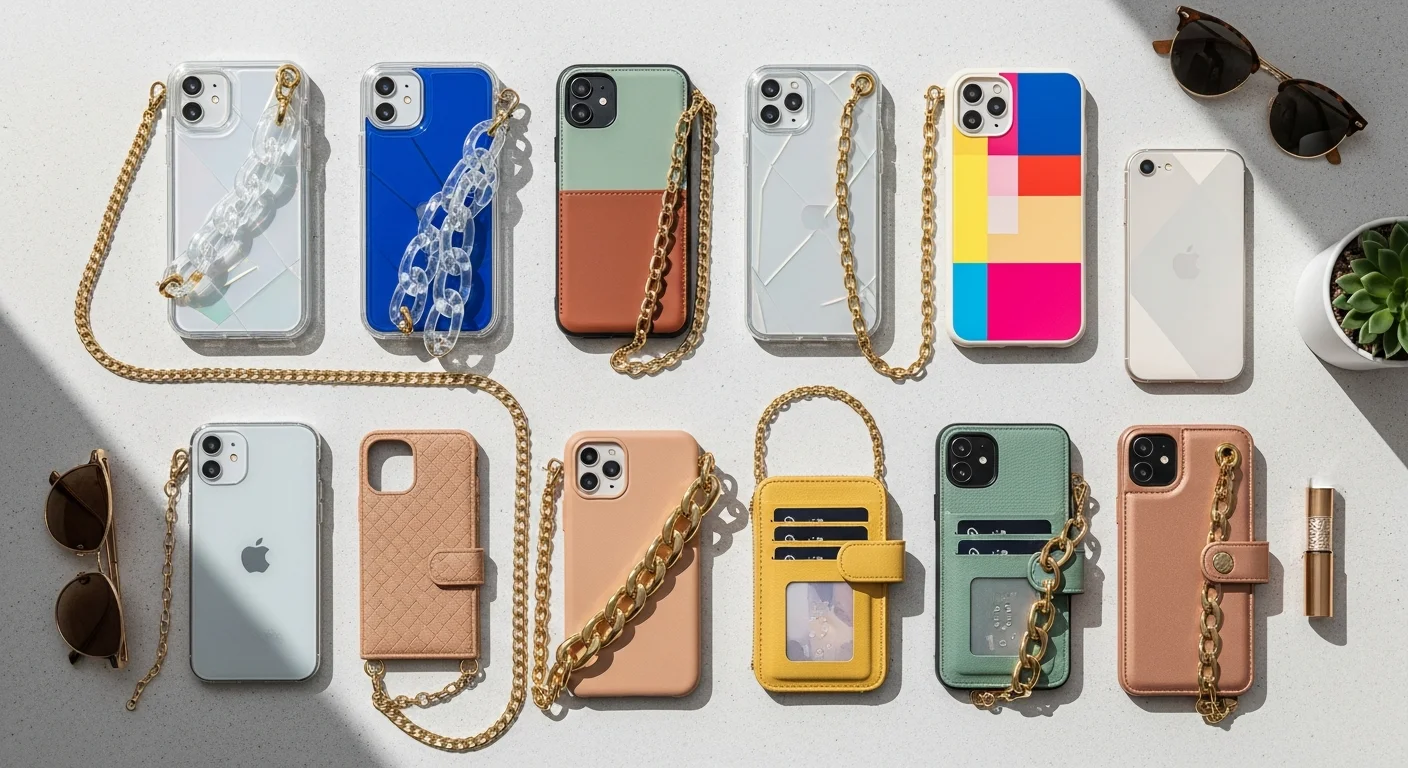
The crossbody phone case trend has exploded in 2026, driven by the intersection of fashion, convenience, and the reality that modern smartphones are simply too large to fit comfortably in many clothing pockets. A crossbody phone case integrates a strap attachment system — either built-in anchor points or a magnetic strap mount — that allows the phone to hang from a cord, chain, or fabric strap worn across the body like a small crossbody bag.
From a design perspective, the crossbody phone case trend has introduced new aesthetic considerations. Strap attachment points, lanyard anchors, and carabiner loops are now design elements rather than afterthoughts. Premium crossbody cases feature integrated D-rings, hidden cord channels, and removable strap systems that allow the case to function as a traditional handheld case when the strap is detached. Color-coordinated straps, woven fabric cords, and metal chain straps have become fashion accessories in their own right, with some brands offering interchangeable strap collections that complement different outfits and occasions.
The practical benefits are substantial. A hands-free phone case eliminates the constant pocket-reaching cycle, reduces the risk of drops by keeping the phone tethered to the body, and provides instant access for photos, messages, and payments. Festival-goers, travelers, parents of young children, and urban commuters have driven adoption, and the trend has expanded into professional settings where hands-free phone access during meetings, site visits, and events is genuinely useful rather than merely fashionable.

Y2K and Retro Revival Aesthetics
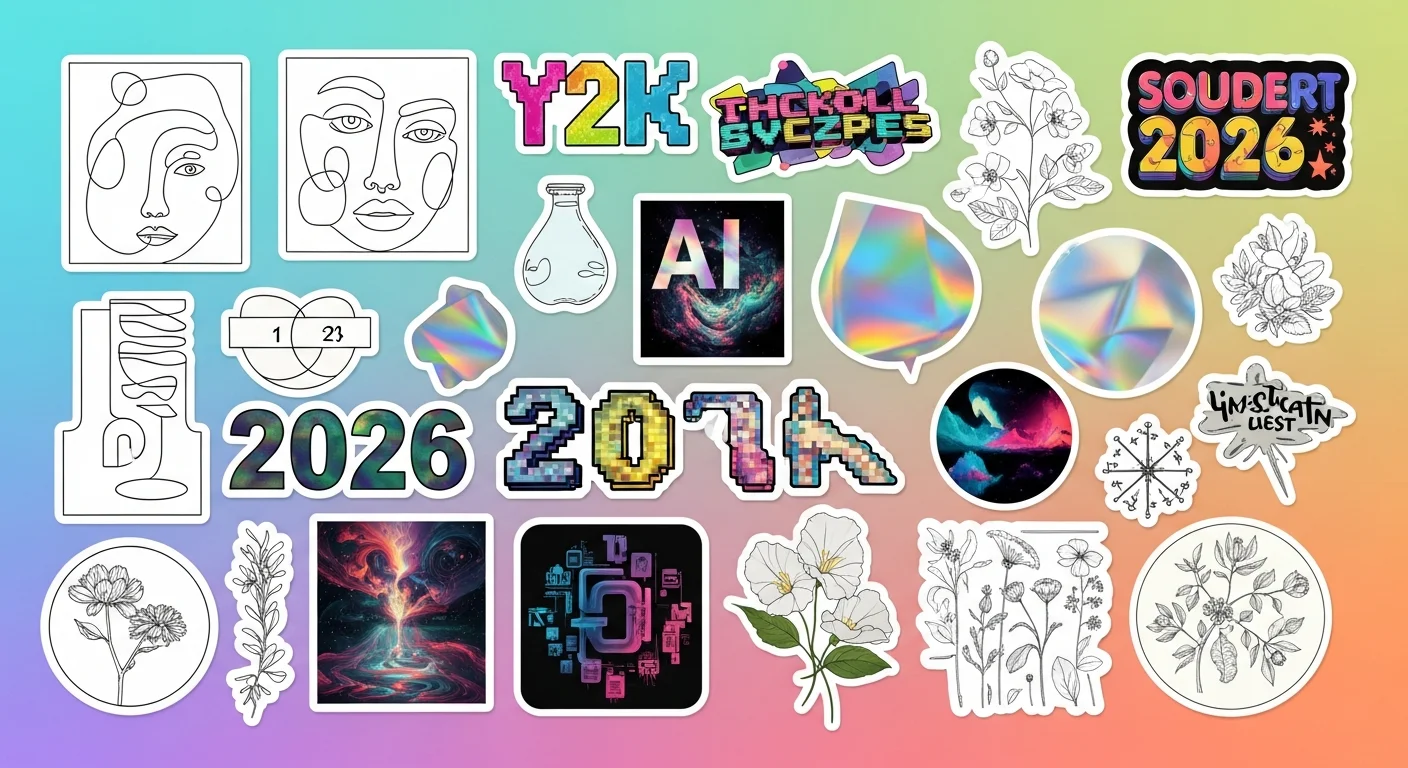
The Y2K phone case aesthetic is one of the most visually distinctive trends of 2026, channeling the playful, exuberant design language of the late 1990s and early 2000s into modern phone case designs. Think translucent colored plastics reminiscent of the iMac G3, holographic and iridescent finishes, butterfly and flame motifs, chunky chrome lettering, and the kind of maximalist graphic energy that defined the era of flip phones, Tamagotchis, and early internet culture.
Custom phone case designers are embracing Y2K aesthetics through translucent tinted cases (bubblegum pink, electric blue, lime green) that reveal the phone's interior hardware through colored plastic, creating a retro-futuristic look. Holographic foil accents, metallic chrome text, and glitter-embedded clear cases channel the sparkle and shimmer that defined turn-of-the-millennium accessories. Flame graphics, butterfly silhouettes, and star motifs — all iconic Y2K visual elements — are being reinterpreted with modern design sensibilities, balancing nostalgia with contemporary sophistication.
The Y2K revival is particularly strong among Gen Z and younger Millennial consumers who experience early 2000s aesthetics as novel rather than nostalgic. For these demographics, Y2K design represents a rebellion against the minimalism that dominated the 2010s — a maximalist, joyful, deliberately over-the-top approach to personal expression. For designers creating Y2K-inspired phone cases, the key is to embrace the boldness of the era while maintaining the print quality and material standards of modern production. Our guide on fonts, colors, and layouts for phone case design covers the typography and color theory principles that make retro-inspired designs work on modern case formats.
AI-Generated Custom Art
AI-generated phone case art has transformed from a novelty into a mainstream design tool in 2026. Advances in text-to-image models like DALL-E 3, Midjourney V6, Stable Diffusion XL, and Adobe Firefly have made it possible for anyone — regardless of artistic skill — to create genuinely unique, high-quality artwork for phone case customization simply by typing a text description of what they want.
The impact on the custom phone case industry is profound. Previously, creating a unique phone case design required either artistic skill, access to a graphic designer, or reliance on pre-made templates and clip art. AI image generation democratizes custom case art by allowing users to describe their vision in natural language and receive multiple design options in seconds. Descriptions like "Art Deco geometric pattern in gold and midnight blue" or "watercolor painting of a golden retriever in a field of sunflowers" produce results that would have required hours of professional design work just two years ago.
The most sophisticated custom phone case platforms now integrate AI art generation directly into their design tools, allowing users to generate, refine, and apply AI-created artwork to their case without leaving the design interface. Users can iterate through dozens of variations, adjusting style, color palette, and composition through conversational prompts rather than manual editing. The result is a truly personalized product where no two cases are identical — each AI-generated design is unique to the user who created it, making mass-produced sameness a thing of the past.
From a technical standpoint, AI-generated artwork for phone cases works best when the output is at least 2048 by 2048 pixels at 300 DPI, ensuring sufficient resolution for high-quality UV or sublimation printing. Many AI tools now include upscaling capabilities that enhance lower-resolution outputs to print-ready quality. Designers should be aware of potential artifacts in AI-generated images — subtle inconsistencies in text rendering, finger anatomy, and symmetric patterns — and manually review and correct these before submitting for printing.
Minimalist Single-Element Design
At the opposite end of the spectrum from Y2K maximalism, the minimalist phone case 2026 trend continues to grow, with a specific evolution toward single-element designs that use one focal graphic, word, or symbol against an otherwise clean background. This is not the blank-case minimalism of previous years — it is an intentional, artful restraint that makes the single chosen element carry tremendous visual weight.
Popular single-element designs include a single line-art illustration (a flower, face profile, or animal silhouette), one meaningful word in an elegant typeface, a small centered logo or monogram, or a single abstract shape in a bold color. The surrounding case surface is left in the base material color — white, black, clear, or a solid muted tone — allowing negative space to frame the central element. This approach works exceptionally well on clear cases with floating elements, where the single graphic appears to hover against the phone's own back panel.
The appeal of minimalist single-element design is both aesthetic and practical. Visually, it creates an instant focal point that communicates identity without clutter. Practically, single-element designs are the most forgiving to produce — with fewer graphical components, there is less opportunity for misalignment, color inconsistency, or detail loss during printing. For brands, a single logo or icon on a quality case material communicates confidence and sophistication in ways that busy, complex designs cannot.

Nature-Inspired and Botanical Designs
A nature-inspired phone case featuring botanical illustrations, pressed-flower effects, landscape photography, and organic textures has emerged as one of the most consistently popular design categories in 2026. This trend reflects broader cultural movements toward biophilic design, wellness aesthetics, and environmental consciousness — particularly resonating with the growing demand for eco-friendly phone case options.
Botanical illustration phone cases draw from the tradition of scientific botanical art — detailed, accurate renderings of plants, flowers, leaves, and seeds — adapted for the phone case format. Vintage-style botanical prints on white or cream backgrounds create an elegant, timeless look, while modern interpretations use saturated colors and stylized forms for a more contemporary feel. Pressed-flower effects — where real or photographed pressed flowers appear embedded within a clear case — combine the beauty of preserved botanicals with the transparency of modern clear case materials.
Landscape photography cases featuring mountains, oceans, forests, and deserts connect the phone to the natural world, creating a visual escape that the owner sees dozens of times daily. Macro nature photography — extreme close-ups of leaf veins, water droplets, flower petals, or insect wings — produces abstract, almost otherworldly designs that work beautifully on phone case surfaces. Organic texture patterns inspired by wood grain, stone, marble, and water have evolved from simple photographic reproductions to artistically interpreted designs that use the natural pattern as a starting point for creative exploration.
3D Textured and Raised Relief Cases
The 3D textured phone case trend leverages advances in UV printing technology to create physical texture on the case surface — raised dots, ridges, patterns, and graphics that you can feel with your fingertips. Unlike flat printed designs that are purely visual, 3D relief printing adds a tactile dimension that transforms the case from a visual accessory into a sensory experience.
Modern UV printers achieve 3D texture by building up multiple layers of UV-curable ink at specific points on the design. A skilled operator can create relief effects ranging from subtle sandpaper-like textures to pronounced raised graphics that stand 0.5 to 1.5 millimeters above the case surface. This technique is particularly effective for logos, monograms, and geometric patterns where the raised element provides both visual depth and improved grip. A raised logo on a phone case creates a premium, almost embossed quality that flat printing cannot replicate.
From a design perspective, 3D textured cases work best with bold, simple shapes that translate well into relief. Fine details and small text tend to lose definition when printed in relief, while larger geometric elements, thick letterforms, and iconic shapes produce dramatic, satisfying results. The tactile dimension also has functional benefits — strategically placed textures on the case edges and back panel improve grip, reducing the likelihood of drops. Some designers are creating "grip zone" patterns where the case edges feature raised dot or line patterns for enhanced hold, while the central back panel features a smooth, flat-printed design.
Clear Cases with Creative Elements
The clear case with floating elements trend continues to evolve in 2026, moving beyond simple transparent cases with small logos into sophisticated design compositions that use the phone's own back panel as an integral part of the visual design. A clear case with creative elements treats the case and the phone as a unified canvas, with printed elements on the case interacting visually with the phone's color, finish, and camera module.
The most innovative 2026 clear case designs use partial printing — applying ink to selected areas while leaving other areas transparent. This creates a layered effect where printed graphics appear to float above the phone's surface, casting subtle shadows and creating depth. Frame designs that border the case edges while leaving the center transparent, corner accent designs that embellish the case corners, and gradient fade designs that transition from opaque to transparent across the case surface are all popular approaches.
Clear cases also benefit from the trend toward natural phone colors. As smartphone manufacturers offer phones in increasingly diverse and attractive colors — from titanium to deep purple to desert gold — consumers want cases that showcase these finishes rather than hiding them. A clear custom phone case with selective frosted, tinted, or printed accents lets the phone's color show through while adding personalization. This balance between protection, personalization, and phone aesthetics makes clear cases with creative elements one of the most versatile and enduring trends in phone case design.

Pop Culture and Fandom Designs
Pop culture phone cases have always been popular, but 2026 has seen a shift from licensed character reproductions toward fan art, mashup culture, and community-driven design aesthetics. Rather than simply printing a movie poster or band logo on a phone case, today's pop culture designs interpret fandoms through original artistic lenses — minimalist icon reductions, stylized character portraits, iconic quote typography, and abstract representations of beloved fictional worlds.
Anime and manga aesthetics continue to dominate the pop culture phone case space, with Japanese-inspired illustration styles, kanji typography, and color palettes drawn from popular anime series influencing mainstream case design even among consumers who are not dedicated anime fans. K-pop fandom phone cases blend photographic elements with graphic design, typography, and color coding that identifies fan allegiance to specific groups and artists. Gaming culture produces phone cases featuring pixel art, controller motifs, game UI elements, and nostalgic references to retro gaming platforms.
The key design principle for pop culture phone cases in 2026 is interpretation rather than reproduction. A phone case featuring an original artistic interpretation of a fandom — a minimalist color palette representing a fictional house or faction, a stylized silhouette of a beloved character, or a typographic treatment of an iconic quote — feels more personal and sophisticated than a direct reproduction of licensed artwork. This interpretive approach also navigates copyright considerations more effectively, as original artistic expressions inspired by pop culture are generally protected as transformative works.
Trending Color Palettes for 2026
Color trends for phone case trends 2026 reflect broader movements in fashion, interior design, and digital aesthetics. Several distinct color palettes have emerged as favorites for custom phone case design, each carrying its own mood, demographic appeal, and design context.
Digital lavender and soft purple tones continue the purple wave that began in 2024, evolving from saturated violet into muted, calming lavender shades that pair beautifully with both silver and gold phone finishes. Warm earth tones — terracotta, sienna, olive, and sand — connect to the nature-inspired design trend and create a grounded, organic aesthetic that works across genders and age groups. Butter yellow and soft peach represent the "quiet joy" color movement, bringing warmth and optimism to phone case designs without the intensity of saturated primary colors.
High-contrast duotone palettes — designs using only two colors in bold opposition — have emerged as a strong trend for graphic and typographic phone cases. Classic combinations like black and white, navy and coral, forest green and blush pink, and charcoal and gold create immediate visual impact with a clean, modern feel. Gradient transitions between analogous colors (blue to purple, peach to coral, sage to emerald) produce smooth, organic color flows that feel simultaneously calming and visually rich.
Chrome and metallic finishes have crossed from fashion accessories into phone case design, with silver, gold, and rose gold metallic inks creating luxurious accents on both colored and clear cases. Metallic elements work best as design accents rather than full-coverage treatments — a chrome logo, metallic border, or gold foil text element against a matte case background creates a premium, jewelry-like effect that elevates the perceived value of the case.
Explore These Trends with Custom Phone Case Design
The phone case design trends of 2026 offer an extraordinary range of creative possibilities — from the functional innovation of MagSafe ecosystems to the artistic freedom of AI-generated art, from the nostalgic charm of Y2K aesthetics to the elegant restraint of minimalist single-element design. The beauty of custom phone cases is that you are not limited to following a single trend — you can combine elements from multiple trends to create something uniquely yours.
Ready to bring these trends to life on your own phone case? Try our free design tool to experiment with trending styles, color palettes, and design approaches. Upload your own artwork, generate AI-assisted designs, or start from one of our trend-inspired templates to create a custom phone case that captures the spirit of 2026 while expressing your personal style.
Related Articles
Share this article
Written by
Camille Dupont
Creative Director at RareCustom. BFA from RISD with 9+ years in graphic design. Camille tracks emerging design trends and translates them into actionable inspiration for custom apparel.