Embroidery vs Screen Print vs DTG on Hoodies: Which Method Wins?
Compare embroidery, screen printing, and DTG for custom hoodies. Side-by-side analysis of quality, durability, cost, and which method works best for your project.
Terrence Okafor
Head of Production at RareCustom. SGIA certified with mastery of every major decoration method. Terrence compares printing and embroidery techniques to help customers achieve the best results.
Choosing between embroidery, screen printing, and DTG (direct-to-garment) printing for your custom hoodies is one of the most impactful decisions you will make. Each method produces a different look, feel, and level of durability. The right choice depends on your design complexity, order size, budget, and the impression you want to make.
This comprehensive comparison covers everything you need to know about each method so you can make a confident decision for your hoodie project.
Embroidery: The Premium Choice
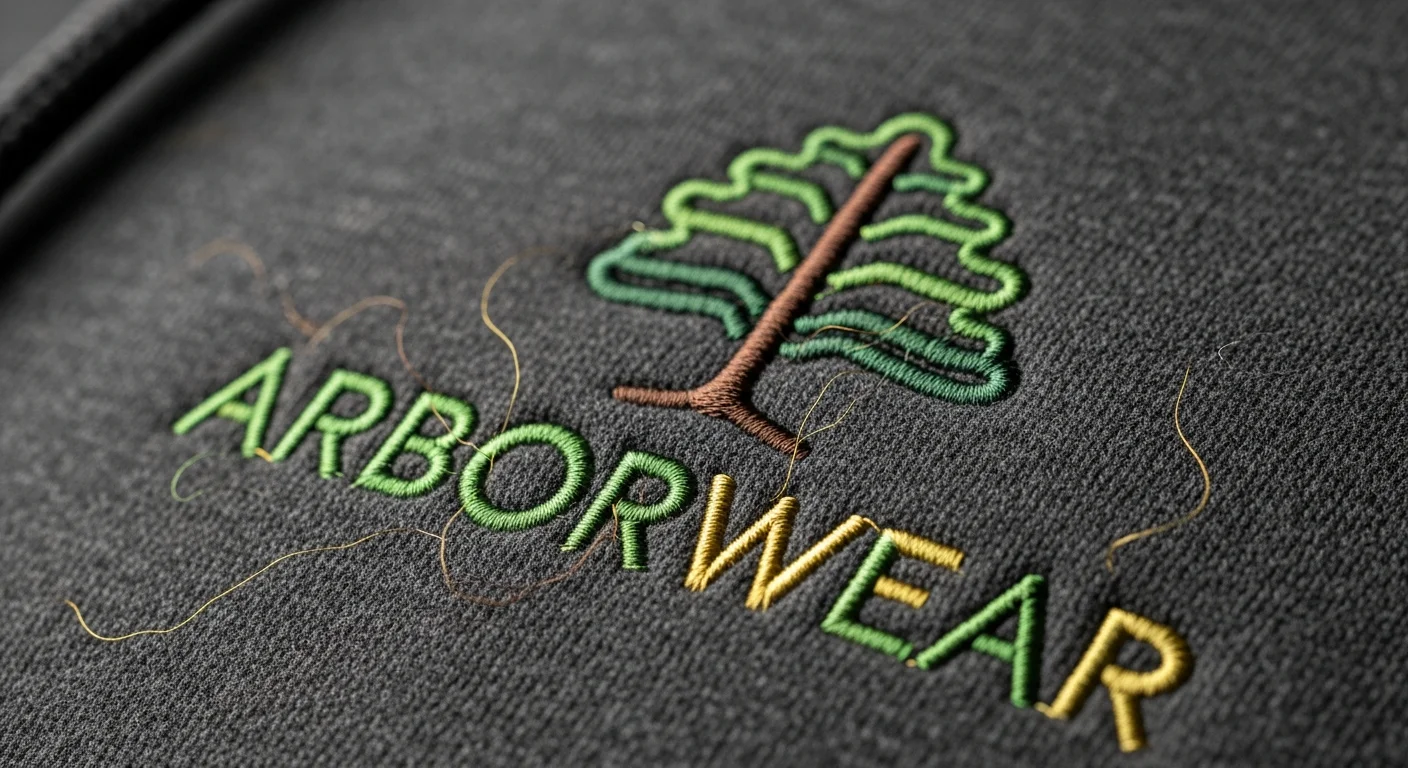
Embroidery uses thread stitched directly into the fabric to create your design. It is the most tactile and premium-feeling customization method available for hoodies.
Pros
- Extremely durable, lasts the lifetime of the garment
- Premium, three-dimensional texture that looks and feels high-end
- Will not crack, peel, or fade with washing
- Looks outstanding on fleece fabric
- Professional, corporate-appropriate appearance
Cons
- Limited to simpler designs with fewer colors (typically 6 to 8 thread colors max)
- Cannot reproduce photographic images or fine gradients
- Higher per-unit cost, especially for complex designs
- Stiff backing can be felt on the inside of the garment
- Not ideal for very large designs
Best For
Logos, monograms, small text, corporate branding, business merchandise, gifts, and any project where a premium feel matters more than design complexity.

Screen Printing: The Bulk Favorite
Screen printing pushes ink through a mesh stencil onto the fabric. It has been the industry standard for decades and remains the most cost-effective method for larger orders.
Pros
- Lowest per-unit cost for orders of 24 or more
- Vibrant, opaque colors that pop on dark hoodies
- Extremely durable prints that last hundreds of washes
- Specialty inks available: metallic, glow-in-the-dark, puff print
- Fast production for large quantities
Cons
- Setup costs make small orders expensive
- Each color requires a separate screen, adding cost per color
- Cannot reproduce photographic images or unlimited color gradients
- Printed areas have a noticeable texture on the fabric
- Minimum order quantities may apply
Best For
Team orders, event merchandise, bulk quantities, simple to moderately complex designs with defined colors, and any project where per-unit cost is a primary concern.
DTG (Direct-to-Garment): The Detail King
DTG printing uses specialized inkjet technology to spray ink directly onto the fabric, producing photographic-quality prints with unlimited colors.
Pros
- Unlimited colors at no extra cost
- Photographic quality images and complex gradients
- No setup costs, making it economical for small orders
- Soft hand feel, the print becomes part of the fabric
- No minimum order requirements
Cons
- Higher per-unit cost for large orders compared to screen printing
- Colors may appear slightly less vibrant on very dark hoodies
- Requires pre-treatment on dark fabrics, adding processing time
- Print durability is good but may not match screen printing longevity
- Production speed is slower per piece
Best For
Single hoodies, small orders, photographic designs, complex artwork with many colors, test runs before bulk production, and print-on-demand hoodie brand businesses.

Side-by-Side Comparison
| Factor | Embroidery | Screen Print | DTG |
|---|---|---|---|
| Durability | Lifetime | Excellent | Very good |
| Color range | 6-8 threads | 1-8 ink colors | Unlimited |
| Photo quality | No | No | Yes |
| Feel on fabric | Raised/textured | Smooth overlay | Soft/integrated |
| Small order cost | $$$ | $$$$ | $$ |
| Bulk order cost | $$$ | $ | $$$ |
| Setup time | Medium | Long | None |
| Best for logos | Excellent | Very good | Good |
| Premium perception | Highest | Medium | Medium |
Combining Methods
Many of the best custom hoodie projects combine multiple methods. A common approach is embroidered logo on the front chest with a screen-printed design on the back. This gives you the premium feel of embroidery where people see your brand up close and the visual impact of a large printed graphic for distance visibility.
Making Your Decision
Ask yourself these three questions:
- How complex is your design? Simple logos work best with embroidery. Multi-color designs suit screen printing. Photographic or highly detailed artwork requires DTG.
- How many hoodies are you ordering? Under 12, DTG is most economical. 12 to 100, screen printing wins. Any quantity works for embroidery, though costs are higher.
- What impression do you want to make? Premium and corporate? Embroidery. Bold and graphic? Screen printing. Artistic and detailed? DTG.
Ready to start? Use our free design tool to create your artwork, then select your preferred printing method when you order your custom hoodies.
Frequently Asked Questions
Which printing method is most durable on hoodies?
Embroidery is the most durable because thread does not crack or peel. Screen printing is a close second when properly cured. DTG prints are durable but may show slight fading after 50 or more washes if not properly cared for. Follow our hoodie care guide to maximize print longevity.
Can I mix printing methods on one hoodie?
Absolutely. Combining embroidered front logos with screen-printed or DTG back designs is one of the most popular approaches for premium custom hoodies.
Which method works best on dark hoodies?
Screen printing with opaque white underbase produces the most vibrant colors on dark fabrics. DTG can also print on dark hoodies but requires a pre-treatment step and a white ink base layer. Embroidery thread colors are consistent regardless of hoodie color.
Is there a minimum order for each printing method?
Embroidery and DTG typically have no minimums, you can order a single piece. Screen printing may require a minimum of 12 to 24 pieces to be cost-effective due to the screen setup costs.
Share this article
Written by
Terrence Okafor
Head of Production at RareCustom. SGIA certified with mastery of every major decoration method. Terrence compares printing and embroidery techniques to help customers achieve the best results.