How to Care for Custom Printed Hoodies: Washing & Storage Guide
Extend the life of your custom printed hoodies with proper washing, drying, and storage techniques. Expert care tips for screen print, DTG, and embroidered hoodies.
Aisha Patel
Head of Materials Science & Sustainability at RareCustom. M.S. in Textile Engineering from NC State with AATCC certification and ISSP Sustainability Practitioner certification. 7+ years evaluating fabrics, materials, and eco-friendly production processes.
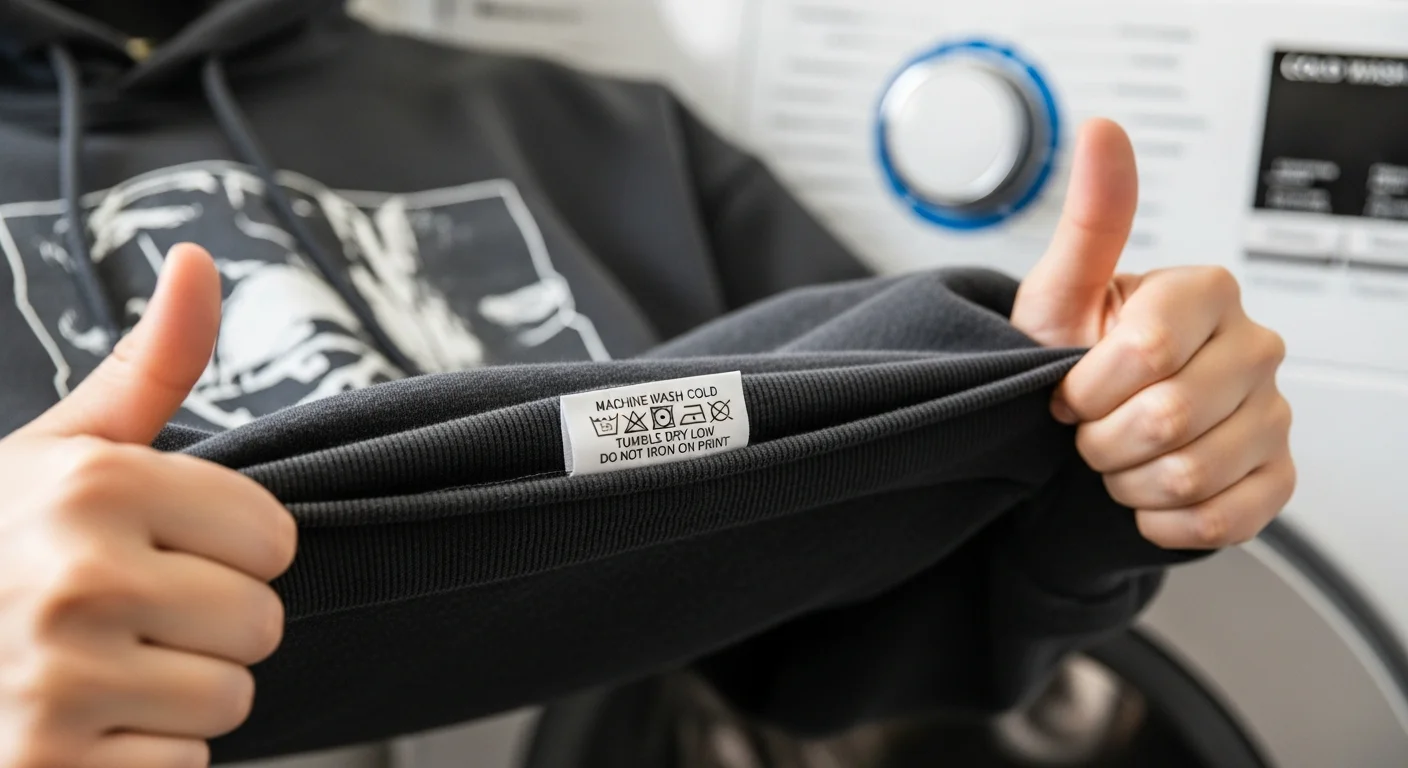
You invested time designing the perfect custom hoodie and money producing it. Now protect that investment with proper care. The way you wash, dry, and store your custom hoodies directly affects how long the print stays vibrant and how long the fabric maintains its shape and softness.
This guide covers care techniques for every printing method so your custom hoodies look great wear after wear.
Universal Care Rules for All Custom Hoodies
Regardless of printing method, these rules apply to every custom hoodie:
- Turn inside out before washing. This is the single most important step. It protects the printed surface from friction against other garments and the washing machine drum.
- Wash in cold water. Hot water causes fabric shrinkage and can crack or fade printed designs.
- Use gentle cycle. The less agitation, the longer your print and fabric last.
- Skip the bleach. Bleach damages both fabric and prints. Use a mild, color-safe detergent.
- Avoid fabric softener on printed areas. Softener can break down screen print ink over time.

Care by Printing Method
Screen Printed Hoodies
Screen prints are among the most durable, but they can crack if improperly cared for:
- Wait 24 hours after receiving before first wash to ensure full ink cure
- Never iron directly on the print, always use a pressing cloth or iron on the reverse side
- Avoid dry cleaning chemicals which can dissolve screen print ink
- Air drying is ideal, but low-heat tumble drying is acceptable
DTG Printed Hoodies
DTG prints integrate into the fabric rather than sitting on top, but they need their own care approach:
- Wash before first wear is not necessary, DTG ink is pre-cured during production
- Cold water wash is especially important for DTG to prevent color bleeding
- Do not wring or twist the hoodie as this can distort the print
- Avoid high heat in the dryer, remove promptly when dry
Embroidered Hoodies
Embroidered designs are the most durable customization method, but the thread and backing need care too:
- Machine washable, but a garment bag adds extra protection
- Avoid heavy starch sprays which can stiffen embroidery thread
- If the backing becomes exposed, iron a small patch of fusible interfacing over it
- Embroidery can snag on velcro or rough surfaces, wash separately from items with hooks or zippers
Drying Your Custom Hoodies
The dryer is where most hoodie damage occurs. Heat shrinks fabric and can crack or distort prints.
Best Drying Methods (In Order of Preference)
- Air dry flat: Lay the hoodie flat on a clean surface, reshaping it while damp. This prevents stretching and print damage.
- Air dry hanging: Hang on a wide, padded hanger (not wire) to prevent shoulder bumps. Avoid direct sunlight which can fade colors.
- Low-heat tumble dry: Acceptable but not ideal. Remove as soon as the cycle ends to prevent heat damage and wrinkles.

Storage Tips for Long-Term Print Preservation
- Fold, do not hang for long-term storage. Hanging for extended periods can stretch the shoulders and neckline.
- Store in a cool, dry place. Moisture can cause mildew and heat can degrade prints.
- Avoid plastic bags for storage. Use breathable cotton garment bags or simply fold and stack in a drawer.
- Keep away from direct sunlight. UV light fades both fabric and print colors over time.
- Fold printed side inward so the print does not rub against other garments or surfaces.
Stain Removal on Custom Hoodies
When treating stains on custom hoodies, avoid rubbing the printed area. Instead:
- Blot the stain gently with a clean cloth
- Apply a small amount of mild stain remover to the stained area only
- Let it sit for 5 to 10 minutes
- Wash as normal in cold water on gentle cycle
For stubborn stains on the printed area, consult a professional cleaner who has experience with decorated garments.
How Long Should Custom Hoodies Last?
With proper care, here is what you can expect:
- Screen printed hoodies: 50 to 100 washes before noticeable fading or cracking
- DTG printed hoodies: 30 to 60 washes with gradual softening of the design
- Embroidered hoodies: Outlasts the fabric itself, typically 100 or more washes
- The fabric itself: A quality fleece or cotton blend hoodie should last 3 to 5 years with regular wear
Frequently Asked Questions
Can I iron my custom printed hoodie?
Never iron directly on a printed or embroidered area. If the hoodie is wrinkled, turn it inside out and iron on low heat, or use a steamer which is safer for all decoration types.
Why is my screen print cracking after a few washes?
Cracking usually results from washing in hot water, using high dryer heat, or not turning the hoodie inside out. Switch to cold water, low heat, and always wash printed side inward. If cracking is severe after only a few washes, the print may not have been properly cured during production.
Can I dry clean a custom hoodie?
We generally recommend against dry cleaning for screen printed and DTG hoodies because the chemicals used can damage the print. Embroidered hoodies handle dry cleaning better, but home washing in cold water is still the safest option for all custom hoodies.
How do I remove pilling from my hoodie?
Use a fabric shaver or pilling comb to gently remove pills. Avoid pulling them by hand as this can damage the fabric. Washing inside out and using a garment bag helps prevent pilling in the first place.
Share this article
Written by
Aisha Patel
Head of Materials Science & Sustainability at RareCustom. M.S. in Textile Engineering from NC State with AATCC certification and ISSP Sustainability Practitioner certification. 7+ years evaluating fabrics, materials, and eco-friendly production processes.