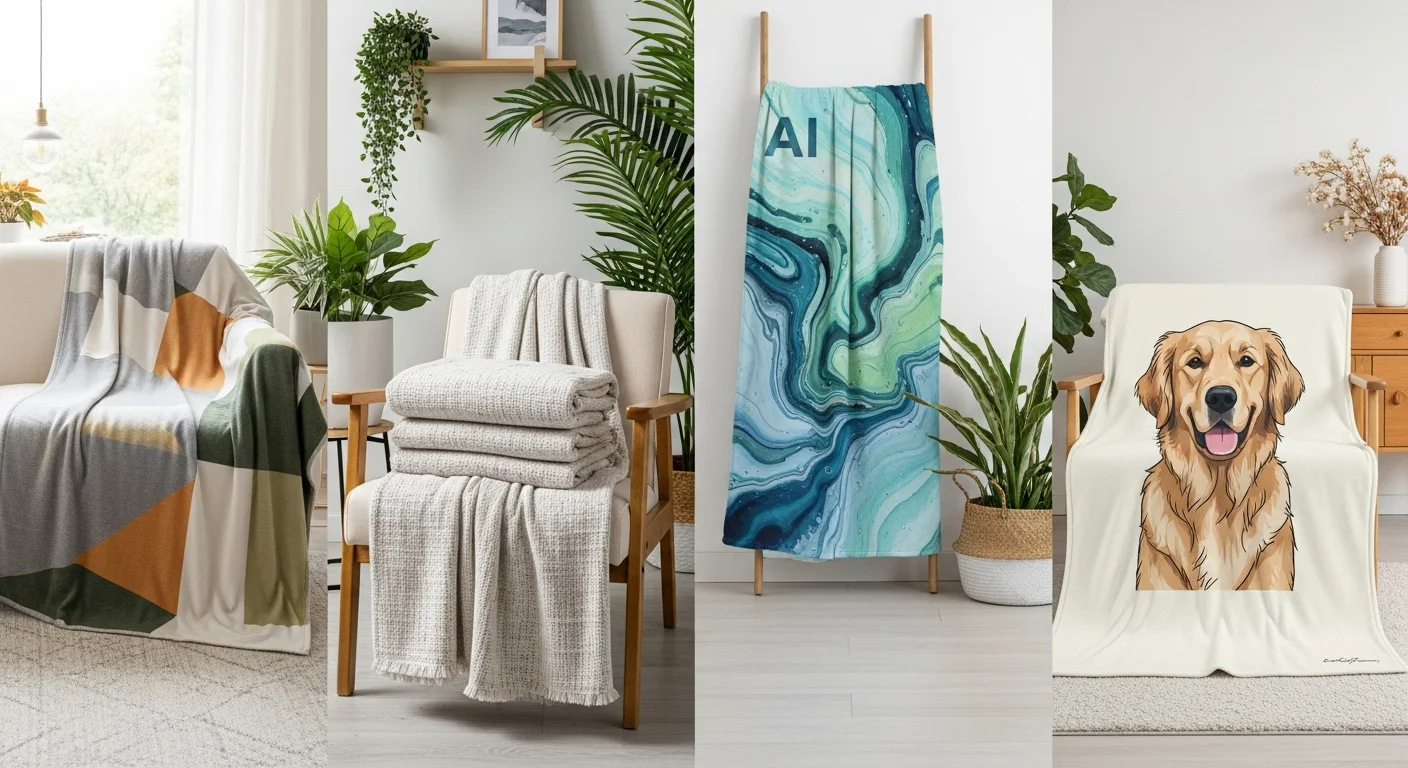
How to Design Custom Blankets: A Complete Beginner's Guide
Learn how to design custom blankets from scratch. Covers material selection, photo upload, printing options, and ordering. Start creating your personalized blanket today.
Natalie Voss
Founder & CEO of RareCustom. MBA from Stanford with 8 years in e-commerce operations. Natalie's comprehensive overview guides help beginners navigate the full custom blanket process.
A custom blanket transforms an everyday household staple into a meaningful, one-of-a-kind keepsake. Whether you are preserving family photos, celebrating a milestone birthday, or branding your business for a corporate event, personalized blankets combine warmth, comfort, and emotional connection in a single product. The custom home-goods market has grown rapidly, driven by advances in digital printing that make it easier and more affordable than ever to create professional-quality blankets featuring your own designs, photographs, and text.
This beginner's guide walks through every decision you will face when designing custom blankets for the first time. You will learn about blanket materials, printing methods, photo preparation, ordering logistics, care instructions, and creative ideas that make personalized blankets unforgettable gifts. By the end, you will have the confidence to design your own blanket and place an order that arrives exactly as you envisioned it.
Why Custom Blankets Make the Perfect Personalized Gift
Custom blankets occupy a unique position among personalized products because recipients actually use them every day. Unlike a coffee mug that sits in a cupboard or a framed print that hangs on a wall, a custom throw blanket is reached for on chilly evenings, draped over the couch, and carried along on road trips — providing repeated emotional connection with every use. Industry research suggests that practical personalized gifts generate significantly higher satisfaction scores than decorative-only items, and blankets consistently rank among the top three most-appreciated custom gifts alongside apparel and drinkware.
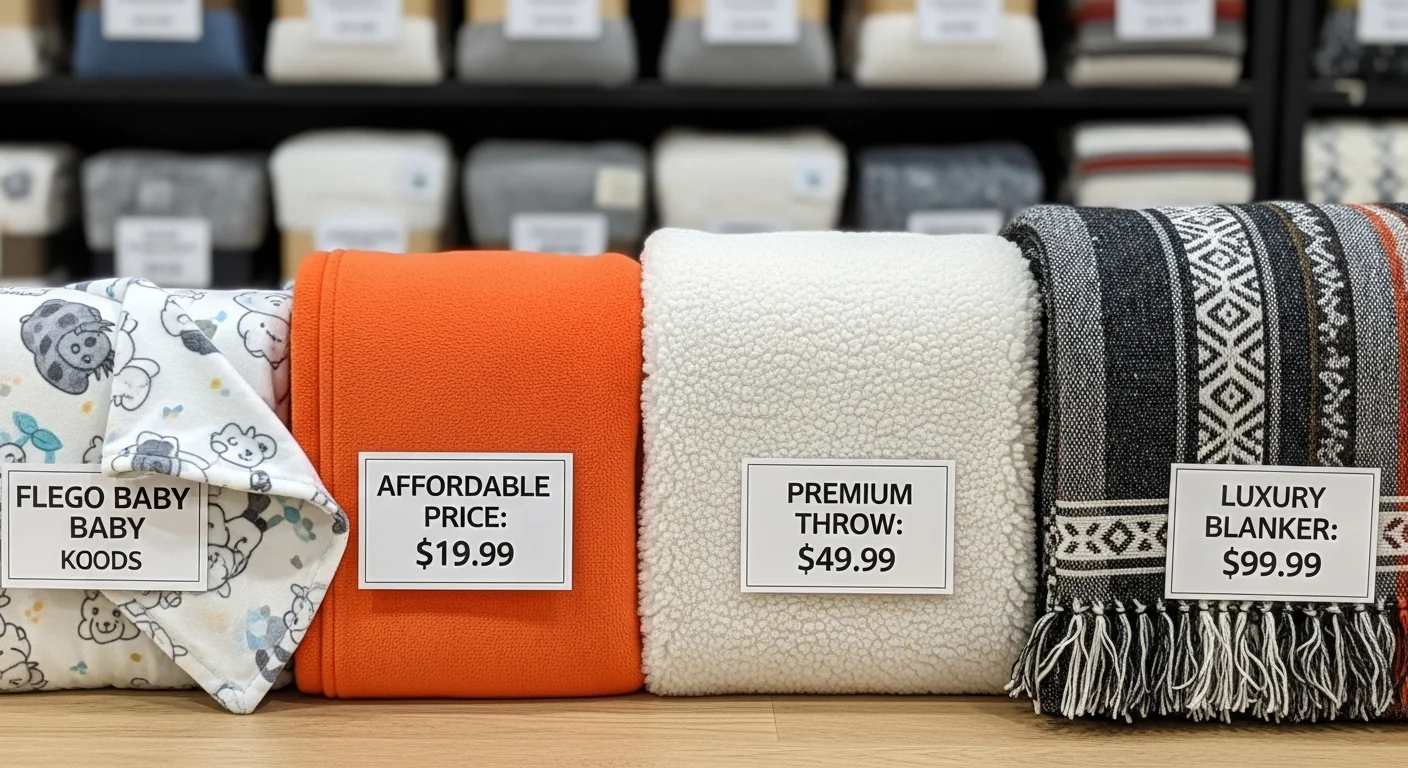
The universal appeal of blanket customization spans every occasion and demographic. Families create photo blankets featuring vacation snapshots, newborn portraits, or beloved pet close-ups. Couples order monogrammed throws as wedding keepsakes. Companies produce corporate blankets with embroidered logos for employee appreciation events and client gifts. The practical nature of the product — combined with price points starting around $30 for a standard throw — makes custom blankets accessible for every budget and event size.
Beyond practicality, there is a deeply emotional dimension. Wrapping yourself in a blanket printed with the faces of loved ones, a meaningful quote, or a child's artwork creates a sensory experience that no digital photo frame can replicate. That emotional resonance is what separates a custom blanket gift from generic store-bought alternatives and makes it a gift people keep for decades.
Understanding Blanket Materials and Types
The material you choose affects everything — softness, warmth, print quality, weight, and price. Understanding the differences between blanket fabrics ensures you select the right foundation for your design.
Fleece blanket custom options are the most popular starting point for personalized blankets. Fleece is lightweight, soft, and accepts sublimation printing beautifully, producing vibrant, edge-to-edge color reproduction. Standard fleece blankets use polyester microfiber at 200-300 GSM (grams per square meter), providing cozy warmth without excessive weight. Fleece is also highly durable, machine washable, and resistant to fading — making it ideal for everyday use and gifting.
A sherpa blanket personalized with your design offers a premium dual-texture experience — a smooth printed polyester front paired with a fuzzy, fleece-like sherpa backing. The sherpa side provides exceptional warmth and a luxurious hand feel that elevates the blanket from a simple throw to a high-end gift. Sherpa blankets are heavier than standard fleece (typically 350-500 GSM) and are favored for winter gifting, holiday presents, and occasions where the recipient expects something special.
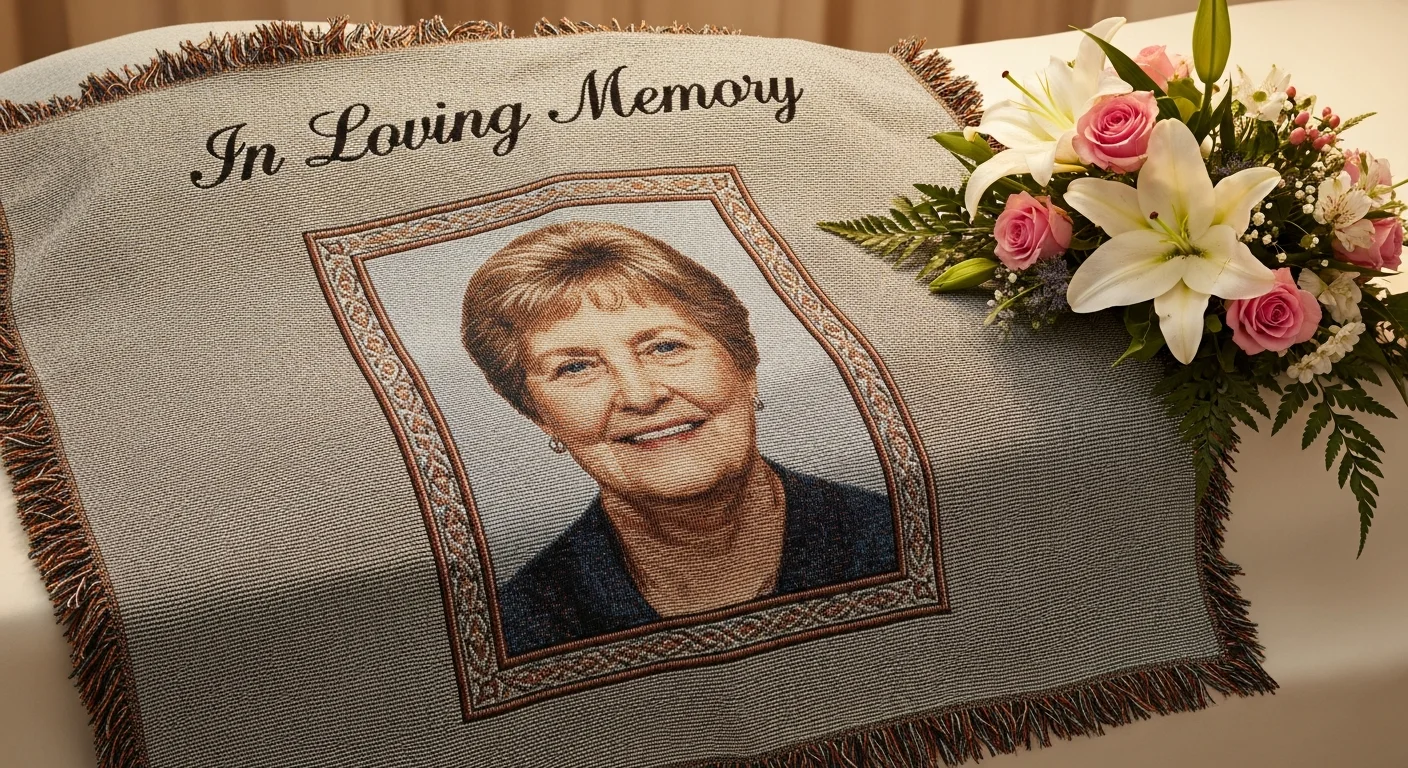
A woven blanket custom design takes a fundamentally different approach — instead of printing an image onto fabric, the design is woven directly into the blanket using colored yarns on a jacquard loom. Woven blankets have an heirloom quality with a textured, tapestry-like appearance that gives photographs an artistic, impressionist feel. They are heavier, more structured, and often finished with decorative fringed edges. Woven blankets are the premium choice for memorial keepsakes, wedding gifts, and display pieces.
Minky blanket fabric is ultra-soft plush polyester, often called "cuddle fabric," that is exceptionally popular for baby blanket personalized products. Minky's raised dot or smooth texture creates the softest blanket available, though the textured surface means printed details may appear slightly less sharp than on smooth fleece. Minky blankets are the standard for nursery gifts, security blankets, and any project where tactile softness is the top priority.
Cotton blankets offer a breathable, natural-fiber alternative suitable for warm-weather use and buyers who prefer organic materials. Cotton accepts screen printing and direct-to-garment (DTG) printing well, though color vibrancy is typically lower than polyester sublimation. For a comprehensive comparison of every material option, read the fleece vs sherpa vs woven custom blanket materials guide.

Choosing the Right Blanket Size
Selecting the correct blanket size options ensures your custom blanket fits its intended use perfectly. Ordering a blanket that is too small for a bed or too large for a baby creates a frustrating mismatch between expectation and reality.
The standard throw blanket vs full size distinction is the most important decision. A throw blanket (typically 50" x 60") is the most popular size for gifting — it drapes comfortably over a couch, works as a lap blanket for reading or watching television, and folds neatly for storage or travel. The throw is the default recommendation for most custom blanket projects because its moderate size keeps costs reasonable while providing enough surface area for detailed photo prints and collage layouts.
Twin-size blankets (60" x 80") serve as bed toppers for single beds, dorm rooms, and children's bedrooms. This larger format provides more canvas for multi-photo collages and full-bleed landscape images. Queen-size blankets (80" x 90") cover a full queen bed and are ideal for couples' gifts, master bedroom décor, and large-format photo reproductions where maximum visual impact is desired.
Baby blankets (30" x 40") are sized specifically for newborns, cribs, strollers, and car seats. This compact size is perfect for baby blanket personalized gifts featuring names, birth statistics, and milestone trackers. Stadium blankets (50" x 60" in heavy fleece) are designed for outdoor use at sporting events, tailgates, and concerts. For detailed pricing by size and material, see the custom blanket pricing and size guide.

Types of Customization Available
Modern blanket customization goes far beyond a simple printed photo. Understanding the full range of personalization options helps you choose the approach that best fits your vision and source materials.
Full-bleed photo printing is the most dramatic customization option, covering the entire blanket surface with a single image blanket or a photo collage blanket. A single large photograph — a landscape, family portrait, or pet close-up — creates wall-hanging-quality visual impact. Photo collage layouts arrange 4, 6, 9, 12, or more images in grid, heart, or scattered configurations that tell a story across the blanket surface. For expert tips on selecting and preparing photos for blanket printing, read the photo blankets tips for stunning prints guide.
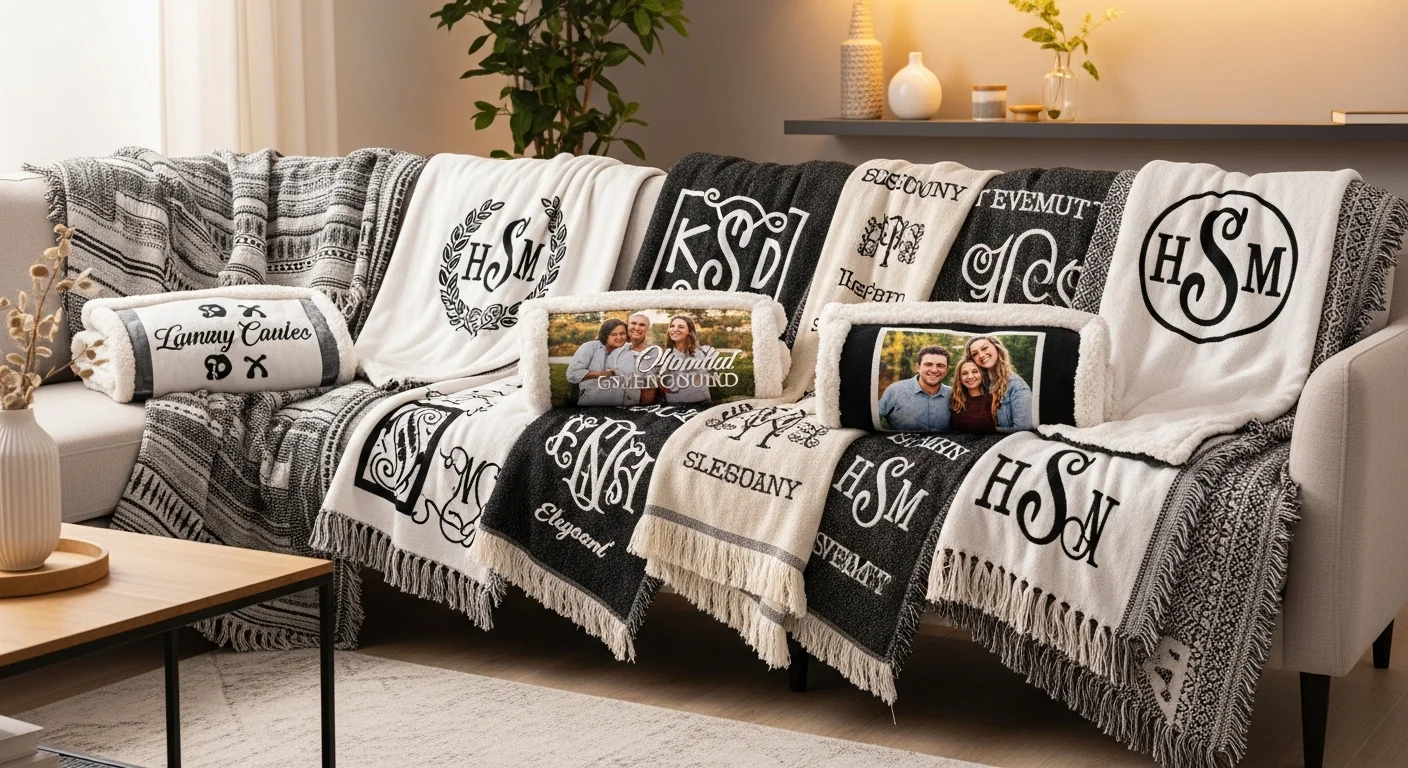
Custom text blankets feature names, dates, quotes, Bible verses, song lyrics, or personalized messages in decorative typography. Text-only designs are popular for monogrammed blankets, newborn name blankets, and inspirational quote throws. The key to effective text blankets is choosing fonts and sizes that remain legible at blanket scale — a rule of thumb is minimum 2-inch-tall letters for primary text.
Graphic design blankets use illustrations, patterns, logos, or digital artwork instead of photographs. This category includes company-branded event blankets, sports team blankets with mascot graphics, and artistic pattern blankets with geometric or floral designs. Graphic designs typically use vector files (AI, EPS, SVG) that scale perfectly to blanket dimensions without resolution concerns.
Combination designs merge photos, text, and graphic elements into a unified layout — the most versatile and popular approach. A typical combination blanket might feature a family photo surrounded by a decorative border, names and a date below the image, and a background color or pattern filling the remaining space.

Printing Methods for Custom Blankets
The blanket printing process you select determines color vibrancy, print durability, and how the design interacts with the fabric surface. Each method has distinct strengths suited to different materials and design types.
Sublimation printed blanket technology is the gold standard for custom blankets. Dye-sublimation uses heat and pressure to convert solid ink into gas that penetrates polyester fibers at a molecular level, becoming part of the fabric rather than sitting on top of it. The result is edge-to-edge blanket printing with vibrant, photographic color reproduction that will not crack, peel, or wash off. Sublimation works exclusively on polyester and polyester-blend fabrics — which includes fleece, sherpa (front side), and minky — making it the natural choice for most custom blanket orders.
Screen printing applies ink through mesh stencils in layers of solid color. It is cost-effective for large batches of blankets with simple 1-3 color logos or text, but cannot reproduce photographs or gradients. Screen printing works on both polyester and cotton blankets and is the standard method for corporate blankets with company logos.
Woven construction is not technically printing — the design is recreated in colored yarns during the blanket's manufacturing process on a jacquard loom. Woven blankets have a unique textured appearance that gives images an artistic quality. This method is the most expensive but produces the most durable and distinctive results, ideal for heirloom-quality keepsakes.
Embroidery stitches thread directly into the blanket surface to create text, monograms, and simple logos. Embroidered customization adds a tactile, premium dimension and is commonly used on sherpa blanket personalized products and fleece throws where a subtle, elegant look is preferred over full-color printing.
Preparing Your Photos and Design Files
Proper file preparation is the single most important factor in achieving professional-quality results on your custom blanket. The blanket design file requirements differ from typical web or social media images because blankets are printed at much larger physical sizes.
For photo-based designs, resolution is paramount. Aim for 300 DPI photo blanket resolution at the final print size. For a standard 50" x 60" throw blanket, that translates to approximately 15,000 x 18,000 pixels at full resolution — though most providers accept a practical minimum of 3,000-5,000 pixels on the longest side for acceptable quality. A high-resolution blanket print starts with a high-resolution source image, so always use the original photo from your camera or phone rather than a compressed social media download.
File formats accepted by most providers include PNG (preferred for photos with transparency), JPEG (acceptable for photographs), TIFF (highest quality, largest file size), and vector formats (AI, EPS, SVG, PDF) for logos and graphic designs. Submit photos in sRGB color space for the most accurate color reproduction during sublimation printing.
For photo collage blanket designs, prepare each individual photo at high resolution before uploading. Most blanket design tool platforms allow you to upload multiple images and arrange them using pre-built collage templates — grid layouts, heart shapes, scattered arrangements, or custom configurations. Ensure all photos have similar lighting and color tones for a cohesive final appearance.
Common file preparation mistakes include submitting screenshots instead of original photos, using heavily filtered Instagram images that produce unexpected color shifts, and placing important content too close to the blanket edges where it may be trimmed during finishing. Always maintain a 0.5-inch safe zone from all edges for critical design elements.
Step-by-Step Ordering Process
Ordering custom blankets follows a straightforward process that most providers have streamlined into five or six steps. Understanding each step in advance eliminates surprises and ensures your order arrives on schedule.
Step 1: Select your blanket material and size. Choose the fabric type (fleece, sherpa, woven, minky, or cotton) and dimensions (throw, twin, queen, or baby) based on the blanket's intended use, your budget, and the recipient's preferences. Most providers display blanket mockup previews that show how different materials look with printed designs.
Step 2: Upload your photos or design. Use the provider's online design tool to upload photos, logos, or artwork. The blanket design tool typically provides real-time previews showing exactly how your design will appear on the selected blanket size and material. If you do not have a design ready, most tools offer templates, text editors, and layout presets to build a design from scratch.
Step 3: Arrange your layout. Position photos, resize elements, add text, select background colors, and choose border or frame options. For collage blanket designs, arrange photos in a grid, heart shape, or custom configuration. Pay attention to spacing between photos — 0.25" to 0.5" gaps between images create a clean, professional look.
Step 4: Add text, borders, or backgrounds. Personalize with names, dates, quotes, or messages. Select fonts that remain legible at blanket scale. Choose blanket color options for backgrounds that complement your photos without competing for attention.
Step 5: Preview and approve your digital proof. Before production begins, you receive a blanket proof approval — a digital rendering showing exactly how the finished blanket will look. Review placement, colors, text accuracy, and overall composition carefully. This is your last opportunity to catch errors before printing begins.
Step 6: Place order — production and shipping. Once approved, production begins. Standard turnaround for sublimation-printed blankets is 5-10 business days depending on quantity. Woven blankets require 2-4 weeks due to loom setup and production complexity. Rush options are typically available at a premium. Most providers offer blanket gift wrapping and custom blanket packaging for orders intended as gifts.

Blanket Care and Washing Instructions
Proper care extends the life of your custom blanket and preserves print vibrancy for years. Following these blanket care instructions ensures your personalized design stays sharp through dozens of wash cycles.
Machine wash cold on a gentle cycle using mild detergent. Hot water and harsh detergents can accelerate color fading on printed surfaces. A machine washable custom blanket made with sublimation printing is inherently durable — the dye is part of the fabric, not a surface coating — but cold water washing still preserves vibrancy longer than hot water cycles.
Tumble dry on low heat or air dry flat. High heat can cause polyester fibers to shrink slightly and may affect the texture of sherpa or minky backing materials. Air drying is the gentlest option and extends blanket life indefinitely. Avoid bleach entirely — bleach will damage both the fabric fibers and the printed design. Skip fabric softener on the printed side, as it can leave a residue that dulls colors over time.
With proper care, sublimation-printed fleece blankets maintain their color vibrancy through 50+ wash cycles. Woven blankets are even more durable since the design is part of the fabric structure. Store blankets folded loosely in a cool, dry place away from direct sunlight, which can cause gradual fading over extended exposure.
Common Mistakes to Avoid
Even experienced gift-givers make preventable mistakes when ordering custom blankets for the first time. Avoiding these common pitfalls saves time, money, and disappointment.
Low-resolution photos are the number-one cause of disappointing results. A photo that looks crisp on a phone screen may appear blurry and pixelated when stretched across a 50" x 60" blanket. Always check that your source images are at least 3,000 pixels on the longest side before uploading. If you only have small web-resolution images, consider using them in a smaller collage format where each individual photo occupies less blanket real estate.
Too many photos crammed into a small blanket is another frequent problem. A throw blanket with 20 photos means each image is only 3-4 inches across — too small for faces to be recognizable from normal viewing distance. For throw-size blankets, 4-9 photos is the sweet spot that balances variety with visibility. Save larger collages (12-20 photos) for twin- or queen-size blankets.
Ignoring bleed areas leads to important content being cut off during the finishing process. All blankets require a small margin (typically 0.25-0.5 inches) around the perimeter where blanket hem options or edge finishing may trim the design. Keep faces, text, and critical elements away from the very edges.
Dark or underexposed photos lose detail when printed at blanket scale. Shadows that appear acceptable on a bright phone screen may become featureless black areas on fabric. Brighten underexposed photos before uploading and avoid images where faces are heavily shadowed.
Not ordering a sample before bulk orders can be costly for corporate blankets or event merchandise. If you are ordering 50+ blankets, invest in a single sample first to verify print quality, color accuracy, and material feel in person before committing to the full run.
Custom Blanket Ideas for Every Occasion
The versatility of blanket customization means there is an ideal design concept for virtually every occasion. Here are proven ideas organized by use case that consistently produce the best results and strongest emotional reactions.
Holiday gifts: Family photo collages are the most popular holiday blanket design — grandparents especially love receiving blankets featuring grandchildren's photos arranged in a seasonal grid. Photo collage blanket designs with 6-9 images per blanket allow you to capture a year's worth of memories in a single gift. Consider adding a holiday message and the year below the photo grid.
Weddings and anniversaries: Engagement photos, first-dance moments, and monogrammed initials create romantic wedding blanket keepsakes. Anniversary blankets can feature a timeline of photos spanning the couple's years together. For detailed wedding and anniversary blanket inspiration, read the custom blankets for weddings and anniversaries guide.
Baby showers and newborns: Name blankets, birth stats (name, date, weight, length), and monthly milestone trackers are the top three baby blanket designs. Soft minky or fleece fabrics in pastel colors create gentle, nursery-ready gifts. For a complete guide to baby blanket options, see the personalized baby blankets guide.
Memorials and remembrance: Memorial blanket designs featuring a loved one's photo, name, dates, and a comforting quote provide tangible comfort during grief. Memorial blankets are among the most emotionally impactful custom products available. For sensitive design guidance, visit the custom memorial and sympathy blankets guide.
Corporate and promotional: Company-branded blankets with embroidered or printed logos are premium promotional items for employee appreciation, client gifts, trade shows, and holiday corporate gifting. For B2B strategies and bulk ordering tips, read the corporate branded blankets guide. For home décor bundles, consider pairing blankets with custom rugs for a coordinated look.
For expert design guidance on layouts, typography, and color selection for any occasion, check out the custom blanket design tips guide.

Design Your Custom Blanket with RareCustom
Ready to bring your vision to life? RareCustom makes designing custom blankets simple — whether you are ordering a single throw for a birthday gift or dozens for a corporate event. The free online design tool lets you upload photos, add text, preview your design on a realistic blanket mockup, and see exactly how your finished product will look before you order.
With no minimum order requirements, free digital proofs, multiple material options from cozy fleece to premium sherpa, and edge-to-edge blanket printing on every order, RareCustom handles every customization need from single-blanket gifts to bulk event orders. Production turnaround is 5-7 business days with rush options available. Every blanket is machine washable and built to maintain its print vibrancy through years of regular use.
Related Articles
Share this article
Written by
Natalie Voss
Founder & CEO of RareCustom. MBA from Stanford with 8 years in e-commerce operations. Natalie's comprehensive overview guides help beginners navigate the full custom blanket process.