Custom Embroidered Tote Bags: Stitched Designs That Last Forever
Learn everything about custom embroidered tote bags — thread types, stitch counts, digitizing artwork for embroidery, material compatibility, pricing factors, and how to create premium embroidered bags for gifts and branding.
Terrence Okafor
Head of Production at RareCustom. Terrence oversees embroidery operations and digitizing workflow, ensuring every custom embroidered tote bag meets professional quality standards.
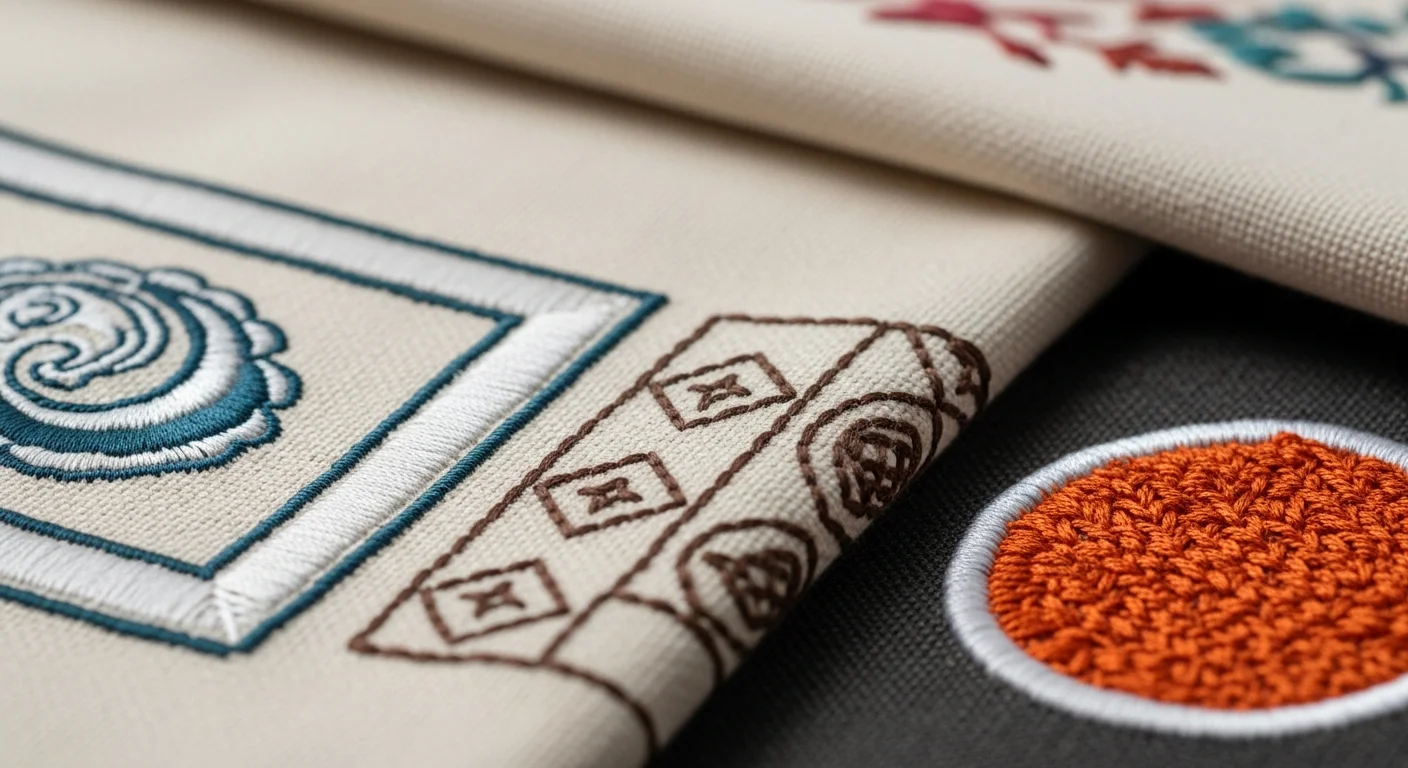
Among all the decoration methods available for custom tote bags, embroidery holds a special place. Nothing communicates quality, permanence, and craftsmanship quite like thread stitched into fabric. Embroidered designs do not crack, peel, or fade — they literally become part of the bag itself, lasting as long as the fabric does. For premium gifts, corporate branding, and personal keepsakes, custom embroidered tote bags deliver a tactile, three-dimensional quality that printed methods simply cannot replicate.
This guide covers the embroidery process from artwork preparation through finished product, including thread options, stitch types, material compatibility, and pricing factors so you can make informed decisions about your custom embroidered tote bag project. Whether you are creating monogrammed bridesmaids gifts, branded corporate bags, or personalized teacher appreciation totes, understanding the embroidery process helps you achieve the best possible results.
How Tote Bag Embroidery Works
Modern embroidery uses computerized multi-needle machines that follow a digitized pattern to stitch your design into the bag fabric. The process involves several steps:
Digitizing: Your artwork (logo, monogram, text) is converted into a stitch file — a set of instructions that tells the embroidery machine exactly where to place each stitch, in what direction, and with which thread color. Digitizing is a skilled process that translates a 2D design into 3D thread work. Simple logos might require 2,000-5,000 stitches; complex designs can require 10,000-20,000+ stitches. The digitizing fee is typically a one-time setup cost of $25-$75 depending on design complexity.
Hooping: The tote bag fabric is secured in an embroidery hoop or frame to keep it taut and stationary during stitching. Proper hooping is essential for clean, undistorted results — loose fabric can shift during stitching, causing misaligned designs. Heavier fabrics like 12oz+ canvas hoop more securely than lighter materials, which is one reason canvas is the preferred material for embroidered tote bags.
Stitching: The machine stitches the design using bobbin thread on the underside and colored top thread on the visible surface. Modern machines can use up to 15 different thread colors in a single design and run at speeds of 800-1,200 stitches per minute. A typical tote bag logo (5,000 stitches) takes approximately 4-6 minutes to embroider. Complex multi-color designs with 15,000+ stitches may require 12-20 minutes per bag.
Trimming and finishing: After stitching, loose threads (jump threads between design elements) are trimmed by hand or by the machine's built-in trimmer. A stabilizer backing is applied behind the embroidered area to prevent puckering and support the stitches long-term. Quality stabilizer backing is invisible from the front but crucial for maintaining the embroidered design's shape and preventing fabric distortion over years of use.

Thread Types and Options
Polyester thread is the industry standard for custom embroidered tote bags. It offers excellent color fastness (resistant to UV, washing, and bleach), high tensile strength, and consistent quality across production runs. Polyester thread is available in over 500 standard colors and can be matched to Pantone references for brand-specific hues. For corporate branding where exact color matching is critical, polyester thread with Pantone matching ensures your embroidered logo is consistent across all merchandise from tote bags to custom hoodies and custom hats.
Rayon thread produces a higher sheen and luster than polyester, giving embroidered designs a more vibrant, silky appearance. However, rayon is slightly less durable than polyester and more susceptible to fading in prolonged sunlight. Rayon is preferred for decorative and fashion embroidery where visual impact outweighs long-term durability. Wedding totes, boutique bags, and fashion accessories often use rayon for its premium visual quality.
Metallic thread (gold, silver, copper) adds a luxurious shimmer to embroidered designs. Metallic thread is more fragile than polyester or rayon and requires slower machine speeds to prevent breakage, which increases production time and cost. Use metallic thread sparingly — for accents, borders, or single design elements rather than full-coverage designs. Metallic embroidery is especially popular for wedding tote bags and premium corporate gifts where the shimmer adds a sense of luxury and celebration.

What Designs Work Best for Embroidery
Not every design translates well to embroidery. Understanding the medium's strengths and limitations helps you create designs that look stunning in thread:
Best for embroidery: Logos, monograms, text, simple illustrations, crests, and geometric patterns. Designs with clean lines, solid fills, and defined color boundaries produce the crispest embroidered results. Text works well at larger sizes — minimum recommended text height is 6mm (about 1/4 inch) for standard embroidery. Serif fonts with moderate stroke widths tend to embroider most cleanly.
Not ideal for embroidery: Photographic images, gradients, watercolor effects, and designs with many fine details under 1mm. Thread cannot reproduce the pixel-level detail of printed images. If your design includes photorealistic elements, consider DTG or screen printing instead, or simplify the design into a line-art version suitable for embroidery. A skilled digitizer can often adapt complex designs into embroidery-friendly versions while maintaining the essence of the original artwork.
Design size recommendations: For tote bags, the most common embroidery sizes are 4" x 4" for compact logos, 6" x 6" for medium designs, and up to 10" x 10" for large chest-panel designs. Larger embroidered areas increase stitch count, production time, and cost proportionally. Most corporate logos embroider best in the 4-6 inch range, which provides clear visibility without overwhelming the bag.
Best Materials for Embroidered Tote Bags
Embroidery works on virtually any woven fabric, but some materials produce better results than others:
12oz+ cotton canvas: The ideal material for custom embroidered tote bags. The thick, tightly woven canvas provides a stable foundation that holds stitches firmly, minimizes puckering, and displays embroidered designs beautifully. The contrast between colorful thread and natural canvas creates an eye-catching effect that communicates quality at first glance.
Heavy cotton duck: Similar to canvas but with a tighter plain weave. Excellent stitch definition and durability. Popular for utility tote bags and workwear-inspired designs where the bag needs to withstand daily use in demanding environments.
Genuine leather: Leather tote bags can be embroidered, though the process requires specialized needles and reduced machine speeds. Embroidery on leather produces a distinctive, high-end look but is the most expensive material-decoration combination. Leather embroidery is particularly stunning for executive gifts and luxury branding.
Not recommended: Lightweight non-woven polypropylene and thin fabrics under 6oz are generally too flimsy for embroidery. The needle punches can tear the material, and the lightweight fabric does not provide enough stability to prevent puckering around the stitched area. For lightweight bag materials, screen printing or heat transfer are more appropriate decoration methods.
Embroidery vs Screen Printing: When to Choose Embroidery
Both embroidery and screen printing produce excellent results on custom tote bags, but each method excels in different scenarios. Understanding when to choose embroidery over printing helps you select the right decoration method for your specific project.
Choose embroidery when: You want a premium, tactile finish that communicates quality and permanence. Embroidery adds physical dimension and texture to your design that printing cannot replicate — running your fingers over an embroidered logo provides a sensory experience that reinforces brand perception. Embroidery is the superior choice for corporate gifts, executive merchandise, employee recognition programs, and any situation where the perceived value of the bag matters as much as the branding itself.
Choose screen printing when: Your design includes many colors, gradients, photographic elements, or very fine details. Screen printing reproduces complex artwork with precision that embroidery cannot match. Printing is also more cost-effective for very large designs that would require excessive stitch counts in embroidery. For event giveaway bags where budget is the primary concern and hundreds or thousands of bags need decoration, screen printing typically provides better value per bag.
Cost comparison: A single-color screen print on a tote bag adds approximately $1-$3 per bag. A comparable single-color embroidered logo (5,000 stitches) adds approximately $3-$5 per bag. The embroidery premium is justified by the durability advantage — embroidered designs last the full lifetime of the bag with zero degradation, while screen prints may crack or fade after extended use and washing. Over the lifetime of a high-quality canvas tote bag (5-10 years), the per-year cost difference is negligible.
Combining methods: Some custom tote bag designs combine embroidery and printing on the same bag. For example, an embroidered logo on the front pocket with a screen-printed pattern on the main body, or an embroidered name personalization combined with a printed event design. This hybrid approach captures the premium feel of embroidery for the primary brand element while using printing for secondary design elements that require more detail or coverage.
Caring for Embroidered Tote Bags
Embroidered tote bags are remarkably durable, but proper care ensures the embroidery and fabric both maintain their quality for years. Share these care instructions with recipients of your custom embroidered bags to maximize the lifespan of your investment.
Washing: Machine wash embroidered canvas tote bags in cold water on a gentle cycle. Turn the bag inside out before washing to protect the embroidered surface from friction with other items. Use mild detergent and avoid bleach, which can damage both the thread colors and the canvas fabric. For spot cleaning, use a damp cloth with mild soap and gently blot the affected area without rubbing aggressively over the embroidery.
Drying: Air dry embroidered tote bags by laying them flat or hanging them by the handles. Avoid machine drying on high heat, which can cause the embroidery stabilizer to warp and the thread to lose tension. If the bag is wrinkled after washing, iron on a low setting with a pressing cloth placed over the embroidered area to protect the threads from direct heat contact.
Storage: Store embroidered tote bags flat or stuffed with tissue paper to maintain their shape. Avoid folding bags so that the embroidered area is creased, as repeated folding over the embroidery can stress the stitches and cause them to loosen over time. For long-term storage, keep bags in a cool, dry location away from direct sunlight, which can fade thread colors — particularly rayon and metallic threads.
Repair: If individual threads in an embroidered design become loose or snagged, carefully trim them with sharp scissors rather than pulling them. Pulling a loose thread can unravel surrounding stitches. For significant damage, a professional embroidery shop can often repair or re-stitch damaged areas using the original stitch file, restoring the design to its original appearance.
Popular Embroidered Tote Designs by Industry
Different industries and occasions call for different embroidery approaches. Here are the most popular custom embroidered tote bag designs organized by use case:
Corporate and business: Embroidered company logos on natural canvas tote bags are the most requested corporate design. Popular placements include center front (4-5 inch logo), left chest position (3-4 inch logo for a more subtle approach), and bottom corner. Corporate embroidered totes are frequently used for client gifts, employee welcome kits, conference VIP bags, and holiday gifts. Pair with embroidered custom hoodies for a matching corporate merchandise collection.
Weddings and events: Monogrammed tote bags for bridesmaids, groomsmen gift bags, and guest welcome bags are consistently among the most popular embroidered tote orders. Classic script monograms in gold or silver metallic thread on white or natural canvas create an elegant, timeless look. Names, dates, and custom wedding hashtags are common additional elements. These bags double as the gift container and the gift itself — fill them with wedding day essentials and the bag becomes a lasting memento.
Education: School and university crests, mascots, and athletic department logos embroider beautifully on heavy canvas tote bags. Teacher appreciation totes with embroidered names or subject-specific designs are popular end-of-year gifts. PTA fundraising programs often sell embroidered school-branded totes as premium fundraising items with higher margins than printed alternatives.
Hospitality and retail: Boutique retailers and luxury hotels use embroidered tote bags as premium shopping bags and guest amenity bags. The embroidered brand mark communicates quality that aligns with premium positioning. Some luxury retailers have found that customers are significantly more likely to reuse an embroidered tote bag than a printed one, extending brand visibility in high-value demographics.
Healthcare and wellness: Medical practices, wellness centers, and health-focused brands use embroidered totes for patient welcome kits, practitioner bags, and branded merchandise. The clean, professional look of embroidery aligns well with healthcare branding standards. Scrub-matching tote bags with embroidered practice logos have become popular among medical professionals.
Pricing Factors for Embroidered Tote Bags
Embroidery pricing depends on several variables:
Stitch count: The primary cost driver. More stitches = more machine time = higher cost per bag. A simple 3,000-stitch logo adds approximately $3-$5 per bag. A complex 10,000-stitch design adds $8-$15 per bag. Very large or detailed designs (15,000+ stitches) can add $15-$25 per bag. Your embroidery provider can give you an exact stitch count estimate during the digitizing process.
Thread colors: Each thread color change requires the machine to stop, swap threads, and restart. Designs with 1-3 colors are standard. 4-8 colors add moderate machine time. 9-15 colors significantly increase production time and cost. Consolidating your design to fewer colors without sacrificing visual impact is one of the most effective ways to manage embroidery costs.
Quantity: Like all custom manufacturing, embroidery costs decrease at volume. The one-time digitizing fee is amortized across all bags, and setup time per batch becomes more efficient at scale. Volume discounts on embroidered tote bags typically start at 24+ pieces, with significant breaks at 48, 100, and 250+ pieces.
Bag material: Embroidering on canvas is standard pricing. Embroidering on leather or specialty materials requires specialized needles and slower speeds, adding a premium. The base cost of the bag itself also varies significantly by material — a 12oz canvas tote costs considerably less than a leather tote before decoration costs are added.
Order Custom Embroidered Tote Bags
Ready to create premium custom embroidered tote bags? Start with our design tool to upload your artwork and choose your bag style and material. For embroidery orders, our team will provide a free digitized proof so you can see exactly how your design translates to thread before production begins.
No minimum orders and free shipping on orders $75+. For bulk embroidery orders (50+), contact our team for volume pricing. Explore our full range of custom tote bag styles and decoration methods. Pair your embroidered totes with other premium merchandise like custom mugs, custom tumblers, and custom t-shirts for a complete branded collection. Visit our how it works page to learn about our production process and turnaround times.

Share this article
Written by
Terrence Okafor
Head of Production at RareCustom. Terrence oversees embroidery operations and digitizing workflow, ensuring every custom embroidered tote bag meets professional quality standards.