Custom Non-Woven Tote Bags for Events and Trade Shows
The complete guide to custom non-woven polypropylene tote bags for events, trade shows, and conferences. Covers material options, printing methods, sizing, bulk pricing, and how to maximize brand impact at your next event.
Rohan Mehta
Business Development Lead at RareCustom. Rohan specializes in event marketing strategy and helps organizations maximize brand impact with custom non-woven tote bags at trade shows and conferences.
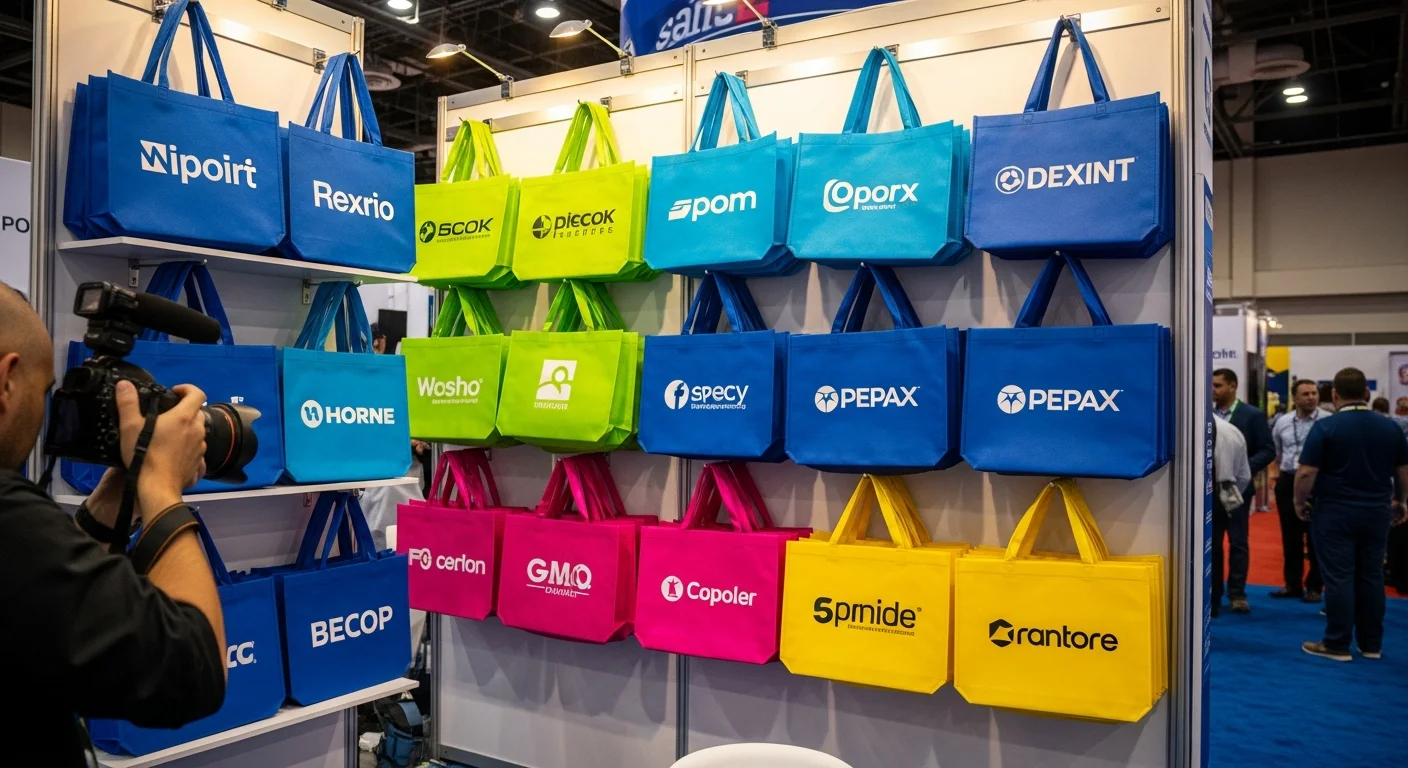
If you have ever attended a trade show, conference, or corporate event, chances are you walked away with a non-woven tote bag filled with brochures, swag, and samples. Custom non-woven tote bags are the workhorse of event marketing — affordable enough to hand out to thousands of attendees, durable enough to be reused long after the event, and large enough to carry everything from product catalogs to water bottles. For event organizers who need high-impact promotional merchandise on a tight budget, non-woven polypropylene bags consistently deliver the best return on investment.
This guide covers everything you need to know about ordering custom non-woven tote bags for your next event, from material options and printing considerations to sizing strategies and bulk pricing. Whether you are planning a regional conference for 200 attendees or a national trade show for 10,000+, this resource will help you make informed decisions that maximize your marketing budget.
What Are Non-Woven Tote Bags?
Non-woven polypropylene (PP) is a fabric-like material made by bonding polypropylene fibers together through heat, pressure, or chemical treatment rather than weaving them into a traditional fabric. The result is a lightweight, tear-resistant, water-resistant material that looks and feels like cloth but costs a fraction of cotton canvas. Non-woven PP is the most widely used material for promotional tote bags worldwide, accounting for approximately 60% of all custom tote bags produced for events and marketing.
The material comes in different weights measured in GSM (grams per square meter). Standard event bags use 80 GSM fabric, which provides adequate durability for a promotional bag that will see moderate use. Premium non-woven bags use 100-120 GSM fabric for a sturdier feel and longer lifespan. The weight difference affects both perceived quality and cost — 100 GSM bags cost approximately 15-20% more than 80 GSM bags but last significantly longer. For high-profile corporate events where brand perception matters, the upgrade to 100 GSM is almost always worth the additional investment.
Non-woven PP is recyclable in many municipal programs (check your local guidelines) and reusable for years. While it is not biodegradable like cotton or jute, a reusable non-woven bag still replaces hundreds of single-use plastic bags over its lifetime, making it a meaningful step toward sustainability for any organization.

Why Non-Woven Bags Dominate Event Marketing
Cost efficiency: Custom non-woven tote bags start at approximately $1.50-$3.00 per bag for standard orders and drop below $1.00 per bag for large-volume orders (5,000+). This makes them 60-70% cheaper than equivalent cotton canvas bags, allowing you to distribute to larger audiences within the same budget. For event organizers comparing promotional product categories, non-woven tote bags deliver among the lowest cost-per-impression of any marketing material.
Vibrant printing: The smooth, consistent surface of non-woven PP produces exceptionally clean screen printing with sharp edges and vivid colors. Non-woven is one of the best materials for multi-color printing because the synthetic surface accepts ink uniformly without the absorption variations found in natural fibers. This means your logo and branding will look crisp and professional every single time.
Color range: Non-woven bags are available in 30+ pre-dyed colors, from classic black and navy to vibrant red, purple, and lime green. This means you can match your bag color to your brand palette and print your logo in a contrasting color for maximum visibility. Having a colored bag with a white or light-colored print is a classic, eye-catching combination that works well from a distance — important when your bag is being carried through a crowded trade show floor.
Lightweight and foldable: Attendees at multi-day events appreciate bags they can fold flat and pack in their luggage for the trip home. Non-woven totes weigh as little as 2-3 ounces and fold to pocket size, making them the most travel-friendly promotional bag option. This portability also means lower shipping costs when distributing bags to multiple event locations.
Choosing the Right Size for Your Event
Bag size should match the type and quantity of materials you expect attendees to collect. Here are common event scenarios and recommended sizes:
Small conference bag (13" W x 15" H): Fits a standard letter-size folder, a few brochures, pens, and small swag items. Ideal for single-day seminars, workshops, and corporate training events where attendees receive a modest package of materials.
Standard event tote (15" W x 16" H x 4" D): The most popular size for multi-day conferences, trade shows, and expos. The bottom gusset adds capacity for larger items like water bottles, product samples, and multiple catalogs. This size accommodates a 13-inch laptop in a pinch, which modern attendees appreciate.
Large trade show bag (18" W x 16" H x 6" D): Oversized for events where attendees collect large items — product samples, boxed items, or thick catalogs. The wider gusset allows the bag to stand upright when loaded, which attendees appreciate when setting bags down at sessions. Consider this size for trade shows where exhibitors distribute substantial product samples or hardware demos.
Pro tip: Always size up rather than down. Attendees who receive a bag that is too small for their collected materials will abandon it or view it negatively. A slightly oversized bag is always better than one that is too small. The cost difference between a standard and large bag is typically only $0.25-$0.50 per unit.
Printing Options for Non-Woven Bags
Screen printing (1-4 colors) is the standard and most cost-effective method for non-woven event bags. Single-color printing adds approximately $0.15-$0.30 per bag to the base material cost, making it extremely affordable at scale. Each additional color adds a setup fee and per-bag cost, so most event organizers opt for 1-2 color prints to balance visual impact with budget. Screen printing is ideal for logos, text, and solid graphic elements — the kind of branding that needs to be visible from across a crowded venue.
Full-color heat transfer allows unlimited-color, photographic printing on non-woven bags. The design is first printed onto transfer paper and then heat-pressed onto the bag surface. This method costs more per bag than screen printing ($0.75-$2.00 per bag) but is ideal for events where the bag design features photographs, gradients, or complex multi-color branding. Product launches, film promotions, and lifestyle brands often prefer heat transfer for its photographic quality.
Large format printing: Non-woven bags can accommodate full-coverage printing from edge to edge. For events with a strong visual theme (product launches, film premieres, music festivals), an all-over printed bag becomes a mobile billboard that stands out in crowds. Combined with a distinctive bag shape or size, full-coverage printing creates a statement piece that attendees want to keep and reuse.

Non-Woven Bag Durability Testing
One of the most common questions event planners ask is how long custom non-woven tote bags will last. The answer depends on the GSM weight, construction quality, and intended use, but well-made non-woven bags consistently outperform expectations.
Weight capacity: Standard 80 GSM non-woven tote bags can carry 15-20 pounds without stress on seams or handles. Premium 100+ GSM bags handle 25-30 pounds comfortably. For reference, a typical trade show attendee collects 5-10 pounds of materials over a multi-day event — well within the capacity of any quality non-woven bag. Our bags are tested with 30 pounds of static weight for 24 hours to verify handle attachment integrity before production runs ship.
Water resistance: Non-woven polypropylene is naturally water-resistant, meaning light rain and spills bead up on the surface rather than soaking through. This is a significant advantage over cotton canvas bags for outdoor events, festivals, and any situation where weather is unpredictable. The material is not fully waterproof (heavy sustained rain will eventually penetrate seams), but it provides more than adequate protection for typical event conditions.
Reuse lifespan: Industry studies show that a standard 80 GSM non-woven tote bag can withstand approximately 50-75 uses before showing significant wear. Premium 100+ GSM bags last 100-150+ uses. Given that the average consumer reuses a promotional bag 11 times according to the Advertising Specialty Institute, even the most basic non-woven bag far outlasts the event it was distributed at. Many attendees report using event bags for grocery shopping, gym trips, and storage for months or years afterward.
Print durability: Screen-printed designs on non-woven bags maintain their clarity and color vibrancy for the full lifespan of the bag. Unlike printed apparel that endures washing machine cycles, non-woven bags are spot-cleaned or wiped down, which preserves the print far longer. Heat transfer prints are similarly durable, with no peeling or cracking under normal use conditions.

Eco-Friendly Non-Woven Alternatives
While standard non-woven polypropylene is recyclable and reusable, some organizations require materials with stronger environmental credentials. The promotional products industry has responded with several eco-friendly non-woven alternatives that maintain the affordability and functionality of traditional PP while reducing environmental impact.
Recycled non-woven PP (rPP): Made from post-consumer recycled polypropylene, rPP bags reduce virgin plastic consumption by 70-80%. The recycled material performs identically to virgin PP in terms of durability, printability, and appearance. Recycled non-woven bags cost approximately 10-15% more than standard bags — a modest premium that many organizations gladly pay for the sustainability story. Pair these with other recycled tote bag options for a comprehensive eco-friendly merchandise lineup.
Bio-based non-woven: Some manufacturers now produce non-woven fabrics from bio-based polypropylene derived from sugarcane ethanol rather than petroleum. These bags are chemically identical to standard PP (and equally recyclable) but have a lower carbon footprint because their raw material is plant-based rather than fossil-fuel-based.
Compostable non-woven alternatives: PLA (polylactic acid) non-woven bags are made from corn starch and are commercially compostable under industrial composting conditions. PLA bags have a slightly different feel than PP (softer, less crisp) and are not as water-resistant, but they offer a genuine end-of-life composting path for organizations committed to zero-waste events. Note that PLA bags require industrial composting facilities and will not break down in home compost bins or landfills.
For organizations that want maximum sustainability credentials, consider pairing eco-friendly non-woven bags with custom tumblers and eco-friendly custom stickers for a fully sustainable swag package that aligns with corporate responsibility goals.
Maximizing Brand Impact at Events
Your custom event bag is one of the longest-lasting impressions from any conference or trade show. Research from the Advertising Specialty Institute (ASI) shows that promotional bags generate more impressions than any other promotional product category — an average of 3,300 brand exposures per bag over its lifetime. Here are strategies to maximize that impact:
Include a clear call to action. Beyond your logo and brand name, include a website URL, QR code, or social media handle. Many event attendees continue using the bag for months after the event — make it easy for new viewers to connect with your brand. QR codes are particularly effective because they bridge the physical bag to your digital presence instantly.
Print on both sides. Front-only printing is the most common (and cheapest) option, but double-sided printing ensures your brand is visible regardless of how the bag is carried. The back panel can feature your tagline, product lineup, or event details while the front displays your logo. The additional cost for double-sided printing is typically only $0.10-$0.25 per bag — an excellent value for doubling your brand visibility.
Choose a distinctive bag color. At a large trade show, dozens of exhibitors distribute bags. A distinctive color (lime green, bright orange, teal) stands out on the show floor and makes your bags recognizable from a distance. Avoid black and navy unless your brand specifically requires them — they blend in with the majority of event bags.
Coordinate with other merchandise. Custom non-woven tote bags work best as part of a coordinated merchandise package. Fill them with branded items like custom mugs, custom stickers, pens, and product samples. A well-curated swag bag creates a memorable unboxing-style experience that attendees associate with your brand long after the event ends.
Post-Event Strategies: Maximizing Bag Reuse
The real value of custom non-woven tote bags extends far beyond the event itself. Smart organizations plan for post-event bag reuse to maximize their marketing investment and extend brand impressions well into the future.
Design for everyday use. Bags that feature subtle, tasteful branding rather than event-specific dates and details are more likely to be reused in daily life. Consider printing your company logo and website on one side and leaving the other side clean or minimally branded. Attendees are more willing to carry a bag with a clean design to the grocery store or gym than one plastered with "2026 Annual Conference" messaging.
Encourage reuse through quality. Investing an extra $0.25-$0.50 per bag for 100 GSM material instead of 80 GSM dramatically increases the likelihood that attendees will reuse the bag regularly. A flimsy bag gets discarded; a sturdy bag becomes a go-to grocery bag, gym bag, or car bag for months.
Social media integration. Add a branded hashtag or Instagram handle to your bag design. Encourage attendees to post photos of themselves reusing the bag in creative locations with your hashtag for a chance to win prizes or recognition. This turns each bag into a potential social media touchpoint that generates organic brand content and extends your reach to the attendees' followers.
Track ROI. Use unique QR codes or landing page URLs on your bags to track how many scans or visits originate from the bag after the event. This data helps justify promotional product budgets for future events and demonstrates the extended value of physical marketing materials in a digital-first world. Many organizations discover that their custom non-woven tote bags generate leads and website traffic for 6-12 months after the initial event distribution.
Ready to order custom non-woven tote bags for your next event? Our design tool makes it easy to visualize your branding, and our bulk pricing ensures maximum value for large orders. Contact our team for custom quotes on orders of 500+. Learn more about our ordering process on our how it works page, or explore complementary products like custom hoodies and custom hats to build a complete event merchandise package.

Share this article
Written by
Rohan Mehta
Business Development Lead at RareCustom. Rohan specializes in event marketing strategy and helps organizations maximize brand impact with custom non-woven tote bags at trade shows and conferences.