Custom Golf Ball Design Trends 2026: What's New in Personalization
Explore the top custom golf ball trends for 2026 including UV printing advances, eco-friendly materials, minimalist branding, tech-integrated balls, AI designs, and premium packaging.
Camille Dupont
Creative Director at RareCustom. BFA from RISD with 9+ years in graphic design. Camille tracks emerging design trends and translates them into actionable inspiration for custom apparel.
The world of custom golf balls is evolving rapidly, driven by advances in printing technology, shifting consumer preferences, and a growing emphasis on sustainability and personalization across the broader consumer products landscape. What was once limited to a simple company logo pad-printed in one color has expanded into a creative frontier where full-color photographs, eco-friendly materials, tech-integrated designs, and AI-generated artwork are reshaping what a personalized golf ball can be — and who it appeals to.
This roundup of the top custom golf ball trends for 2026 covers the innovations, design movements, and consumer shifts defining the market this year. Whether you are a corporate event planner looking for fresh ideas, a golf brand exploring new product lines, or an individual golfer who wants a ball as unique as your game, these trends offer inspiration and practical guidance for your next order.
UV Printing Technology Advances
The single biggest driver of golf ball design innovation in 2026 is the continued maturation of UV digital printing technology. UV printing golf ball advances over the past two years have pushed the boundaries of what is achievable on a 42.67mm spherical canvas — higher resolution, better ink adhesion, faster throughput, and expanded color gamuts are all part of the 2026 printing landscape.

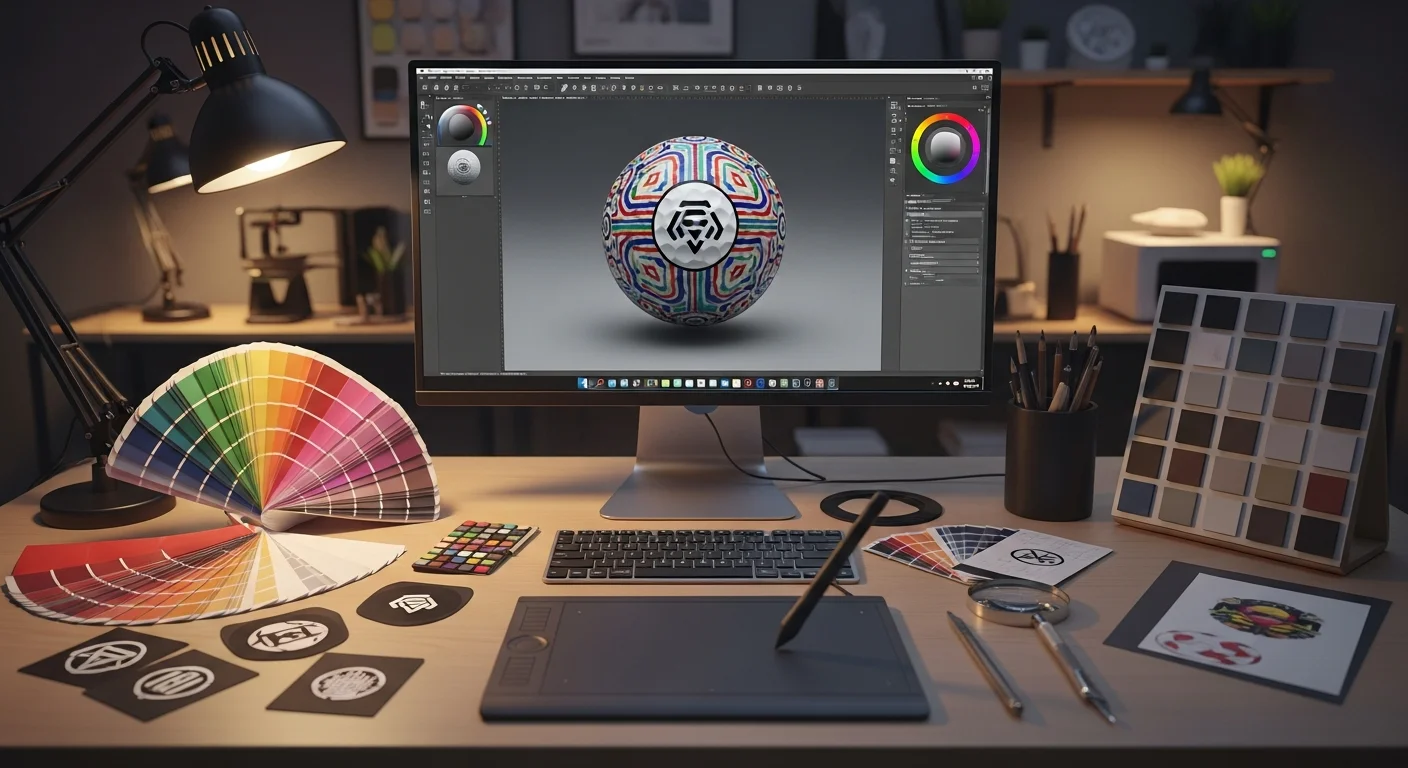
Modern UV printers now achieve effective resolutions exceeding 1200 DPI on curved surfaces, enabling photographic reproduction with detail that was unthinkable five years ago. Fine text as small as 4pt remains legible, subtle gradients render smoothly across dimple patterns, and intricate line art retains its integrity at golf ball scale. These improvements have opened the door to design approaches that were previously impractical — watercolor-style artwork, detailed illustrations, and multi-image collage layouts that leverage the full CMYK gamut.
360-degree golf ball printing and golf ball full wrap print capabilities are emerging in 2026, enabled by multi-axis UV printing jigs that rotate the ball through multiple print passes. While not yet mainstream, full-wrap printing allows designs that extend beyond the traditional 25mm pole circle to cover 70–80% of the ball's surface. This technology is particularly suited for artistic and novelty designs where the entire ball becomes a canvas. For a detailed comparison of current printing methods, see the UV printing vs pad printing guide.
Ink adhesion chemistry has also improved significantly. New UV ink formulations bond more effectively to both surlyn and urethane covers, reducing the traditional durability gap between UV and pad printing. In controlled testing, latest-generation UV inks on surlyn covers now survive 3–5 rounds of regular play with minimal visible wear — approaching pad printing's traditionally superior longevity. For a deep dive on how cover materials affect print performance, explore the surlyn vs urethane materials comparison.
Eco-Friendly and Sustainable Golf Balls
Sustainability is no longer a niche concern — it is a mainstream purchasing criterion that shapes personalized golf ball trends 2026 across every market segment. The golf industry is responding with eco-friendly golf ball innovations that reduce environmental impact without compromising performance or customization options.

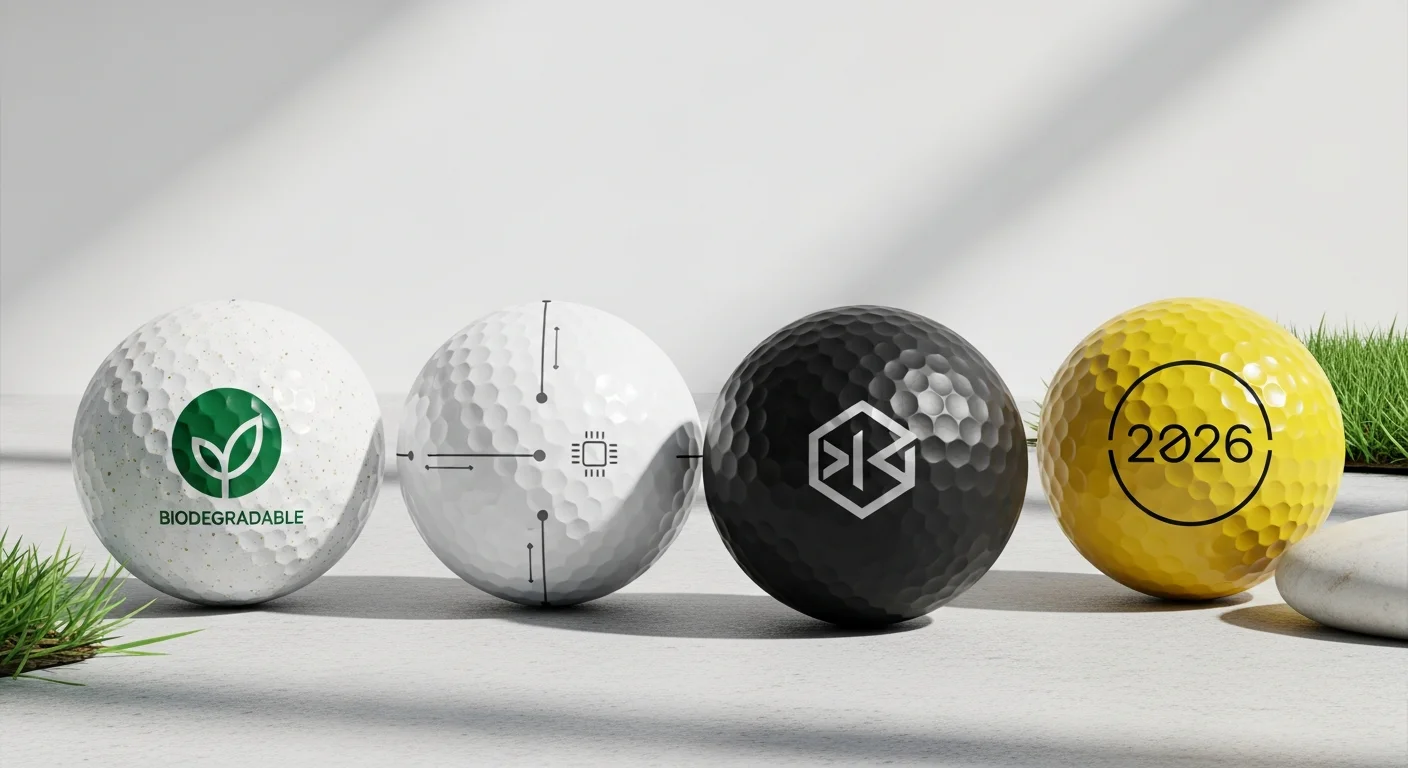
Biodegradable golf ball technology has matured from novelty status to viable commercial products. Several manufacturers now offer balls made with water-soluble or compostable cores and covers designed to break down within 1–5 years in natural environments — addressing the estimated 300 million golf balls lost in US water hazards, forests, and roughs each year. While biodegradable balls currently occupy the value tier in terms of playability, they are gaining traction for eco-conscious corporate events and waterfront courses where ball loss into sensitive ecosystems is a concern.
Recycled golf ball programs — collecting, refinishing, and re-customizing used premium balls — have grown significantly as consumers become more sustainability-conscious. Lake ball recovery operations retrieve millions of balls annually from water hazards, sort them by brand and condition, and make A-grade recovered balls available for custom printing at 30–50% below new-ball pricing. For organizations with sustainability mandates, recycled custom golf balls offer authentic eco-credentials alongside cost savings.
Sustainable golf ball materials innovation extends to inks and packaging. Soy-based and water-based inks that replace petroleum-derived pigments are now available for both UV and pad printing, and recyclable or compostable packaging options are replacing traditional plastic clamshells and shrink wrap. For more on how sustainability is influencing custom product design across categories, see our guide on eco-friendly custom stickers — many of the same material and packaging principles apply.
Minimalist and Subtle Branding
One of the strongest aesthetic trends in custom golf ball design for 2026 is the move toward minimalist design and subtle branding. Where previous years favored bold, large-scale logos that dominated the print area, 2026 design sensibilities lean toward understated elegance — small icons, single-line text, muted colors, and generous negative space.

Golf ball minimalist design principles include: using the smallest logo version that remains identifiable (often just an icon or monogram rather than the full brand lockup), selecting a single ink color for maximum contrast and simplicity, centering the design element within ample white space, and omitting secondary text like taglines and URLs. The result is a custom ball that looks premium, intentional, and confident — qualities that resonate with executive-level recipients and design-aware consumers.
Subtle branding golf ball approaches are particularly popular in luxury corporate gifting, where the goal is to convey brand association without overt advertising. A small, elegantly rendered logo mark on a premium Titleist Pro V1 communicates sophistication and taste that a large, multi-color logo on a value ball cannot match. This trend aligns with broader consumer preferences for "quiet luxury" across fashion, accessories, and lifestyle products. For foundational design principles that support minimalist approaches, review the logo and text design tips guide.
Matte and Specialty Finish Options
Matte finish golf balls continue gaining market share in 2026, moving from novelty to mainstream across both unprinted and custom-printed segments. The matte surface — achieved through a specialized clear coat that diffuses light rather than reflecting it — creates a distinctive visual identity on the course and provides a different tactile experience at address.
For custom printing, matte-finish balls present both opportunities and challenges. The matte surface absorbs UV-cured ink differently than glossy covers, producing slightly softer color reproduction with reduced glare and a "printed-into-the-surface" appearance rather than the "sitting-on-top" look of traditional glossy ball printing. Many designers find that minimalist, single-color designs look especially refined on matte surfaces, while highly detailed photographic designs may lose some vibrancy.
Golf ball texture printing and raised print golf ball technologies are also emerging in 2026, using multi-pass UV printing with specialized inks that build up a tactile layer on the ball surface. While still early-stage, texture printing allows logos and text with a subtly raised, embossed-like feel that adds a premium sensory dimension to the customization. This technology is most commonly used for luxury corporate gifts and limited edition releases where tactile differentiation justifies the additional production cost.
Bold Colors and Custom Ball Colors
Golf ball color trends in 2026 extend well beyond the traditional white-and-yellow duopoly. Neon golf balls in vivid green, orange, and pink continue to grow in popularity among recreational golfers who prioritize visibility and self-expression. Pastel golf balls — soft lavender, mint green, blush pink, and baby blue — are emerging as a trend-forward option for lifestyle-oriented golfers and as popular choices for wedding and event custom orders.
Custom ball color is a distinct trend from custom print color: rather than printing on a standard white ball, these products use pre-colored ball stock as the canvas for additional customization. Printing a dark logo on a neon green ball, or a white monogram on a deep navy ball, creates a striking visual combination that stands out on the course and in gift packaging. The range of available ball colors is expanding as manufacturers respond to demand — expect to see 10–12 standard color options from major brands by the end of 2026, compared to 4–6 options available just two years ago.
For event planners, colored balls add an extra dimension of branding — matching the ball color to corporate brand colors or event themes creates a cohesive visual identity across all tournament materials. A company with a signature orange can order custom orange golf balls with white logo printing, reinforcing brand recognition from tee to green.
Tech-Integrated Golf Balls
Technology integration is one of the most forward-looking custom golf ball trends of 2026, merging physical products with digital experiences. While fully smart golf balls with embedded sensors remain primarily in the R&D phase, several technology-enhanced customization options are available today.

QR code golf ball printing is the most accessible tech integration, using UV printing to place a scannable QR code directly on the ball surface. The QR code can link to a company website, event landing page, digital business card, memorial tribute page, or personalized video message. This creates a bridge between the physical golf ball and a digital experience — particularly powerful for corporate events, memorial tournaments, and promotional campaigns where trackable engagement is valuable.
NFC golf ball technology embeds a tiny NFC (Near-Field Communication) chip beneath the ball's cover, allowing recipients to tap the ball against their smartphone to access digital content. While NFC-enabled golf balls are currently limited to custom-manufactured options (not aftermarket customization of existing balls), the technology is gaining traction in luxury corporate gifting and limited-edition releases.
Golf ball alignment technology continues to evolve, with custom-printed alignment systems becoming more sophisticated. Advanced alignment marks now include distance markers, target-area indicators, and personalized putting systems designed by the golfer or their instructor. UV printing's fine-detail capability enables these precision markings at a quality level that hand-drawn alignment aids cannot match.
Premium Packaging and Unboxing Experiences
The golf ball unboxing experience has become a significant trend as consumers increasingly value presentation alongside the product itself. Driven by social media sharing culture and the premiumization of gifting, premium golf ball packaging in 2026 goes far beyond the standard cardboard sleeve and tray.

Magnetic-closure boxes with soft-touch finishes, embossed logos, and ribbon pulls have become the standard for corporate gift programs. Higher-end options include wooden keepsake cases with laser-engraved lids, leather-wrapped presentation boxes, and custom acrylic display cases that showcase the golf ball as a collectible item. These packaging upgrades transform a $4 golf ball into a $15–$25 gift experience — a multiplier effect that justifies the investment for relationship-driven occasions.
Golf ball subscription box services are a newer trend, delivering monthly or quarterly shipments of custom-designed golf balls with rotating themes, seasonal artwork, or curated brand collaborations. Subscription boxes appeal to golf enthusiasts who collect unique balls and to corporate programs that maintain ongoing client engagement through regular touchpoints.
Sustainability-conscious packaging options are also trending. Recycled cardboard boxes with soy-based printing, compostable cellophane wraps, and reusable fabric pouches offer eco-friendly alternatives to traditional packaging without sacrificing visual appeal. The dual mandate of premium presentation and environmental responsibility defines the packaging conversation in 2026.
AI-Generated and Generative Art Designs
AI-generated golf ball design is one of the most novel trends of 2026, leveraging generative AI tools to create unique, one-of-a-kind artwork specifically optimized for the golf ball's circular print area. Rather than choosing from a catalog of clip art or uploading a pre-existing logo, consumers can describe their desired design in natural language and receive a custom-generated graphic tailored to the ball's dimensions and printing constraints.
The appeal of AI-generated designs lies in their uniqueness — no two balls are exactly alike, which transforms custom golf balls from branded merchandise into collectible art objects. Popular AI-generated golf ball themes include abstract patterns, stylized landscapes, fantasy creatures, pop-art interpretations of personal photos, and mashup designs that blend multiple visual elements into cohesive compositions.
For a practical starting point in the design process (whether using AI tools or traditional methods), the beginner's guide to custom golf ball design covers the foundational principles of file preparation, sizing, and print area optimization that apply regardless of how the artwork is created.
Digital collectible golf ball concepts, including golf ball NFT pairings where a physical custom ball comes with a digital twin stored on blockchain, appeared in 2025 and continue to explore the intersection of physical products and digital ownership. While the market for NFT-paired physical goods remains niche, the underlying concept — linking a physical golf ball to a digital asset that proves provenance and exclusivity — has potential applications in limited-edition releases and charity auction items.
Limited Edition and Collaboration Drops
Limited edition golf ball releases and brand collaboration drops are bringing streetwear culture to the golf accessories market. Inspired by the sneaker world's drop model — limited quantities, announced release dates, and exclusivity-driven demand — golf brands and custom printing companies are creating time-limited custom ball designs that sell out quickly and generate social media buzz.
Golf ball collaboration projects pair golf ball brands with artists, designers, lifestyle brands, and cultural institutions to produce co-branded balls with crossover appeal. These collaborations bring fresh aesthetics to the golf ball format — graffiti art, fashion photography, architectural motifs, and other design vocabularies that would never emerge from traditional corporate branding. The collaboration model also introduces custom golf balls to audiences who may not identify as core golfers but appreciate the collectible and artistic value of the product.
Golf ball seasonal collections — spring, summer, holiday — offer themed designs that rotate throughout the year, encouraging repeat purchases from enthusiasts who collect each release. Seasonal collections also provide corporate buyers with fresh designs for recurring events, avoiding the fatigue of using the same custom ball year after year.
Golf ball drop culture leverages scarcity and urgency to drive demand. Limited runs of 100–500 sets, announced on social media with countdown timers, create excitement and social sharing that amplify brand reach far beyond the number of balls produced. For brands exploring this model, the key is balancing exclusivity with accessibility — enough scarcity to create buzz, but enough production to satisfy demand and avoid frustrating loyal customers.
Personalization for Performance — Not Just Aesthetics
The final major trend in personalized golf ball trends 2026 is the shift toward performance-oriented customization — personalization that affects how the ball plays, not just how it looks. This trend reflects a maturation of the custom golf ball market from purely cosmetic decoration to functional customization that enhances the golfer's game.
Custom alignment systems represent the most accessible form of performance personalization. Rather than a generic line drawn with a marker, golfers are commissioning custom-printed alignment patterns designed by putting coaches, based on their individual stroke mechanics and visual preferences. These personalized putting aids combine the aesthetic appeal of customization with measurable on-course benefit.
Ball selection based on individual swing data is another dimension of performance personalization. Launch monitor data (swing speed, attack angle, spin rate) can identify the optimal ball construction and compression for each golfer. Combining this data-driven ball selection with visual customization creates a fully personalized product — the right ball for your game, with the right design for your identity. This convergence of performance fitting and visual customization represents the future of what "custom golf ball" means.
Stay Ahead with RareCustom
The trends shaping custom golf balls in 2026 reflect broader shifts in consumer expectations: higher quality, more sustainability, greater personalization, and smarter integration of technology. At RareCustom, we stay at the forefront of these innovations, offering the latest UV printing technology, eco-friendly packaging options, and design tools that make it easy to create golf balls that are as unique as the golfers who play them.
Explore our full range of custom golf ball options, experiment with designs using our free online design tool, and bring your vision to life — whether that vision is a minimalist corporate logo, an AI-generated artwork, a QR-coded networking ball, or a classic monogram in timeless black ink. The future of personalized golf is here, and it has never been more exciting.
Related Articles
Share this article
Written by
Camille Dupont
Creative Director at RareCustom. BFA from RISD with 9+ years in graphic design. Camille tracks emerging design trends and translates them into actionable inspiration for custom apparel.