Eco-Friendly Custom Stickers: Sustainable Materials and Practices for 2026
Discover sustainable custom sticker options including recycled paper, plant-based vinyl, eco-friendly inks, and certifications that help your brand go green without sacrificing quality.
Rohan Mehta
Head of Marketing at RareCustom. Rohan covers sustainability trends and helps businesses choose eco-friendly custom stickers that align with their environmental commitments.
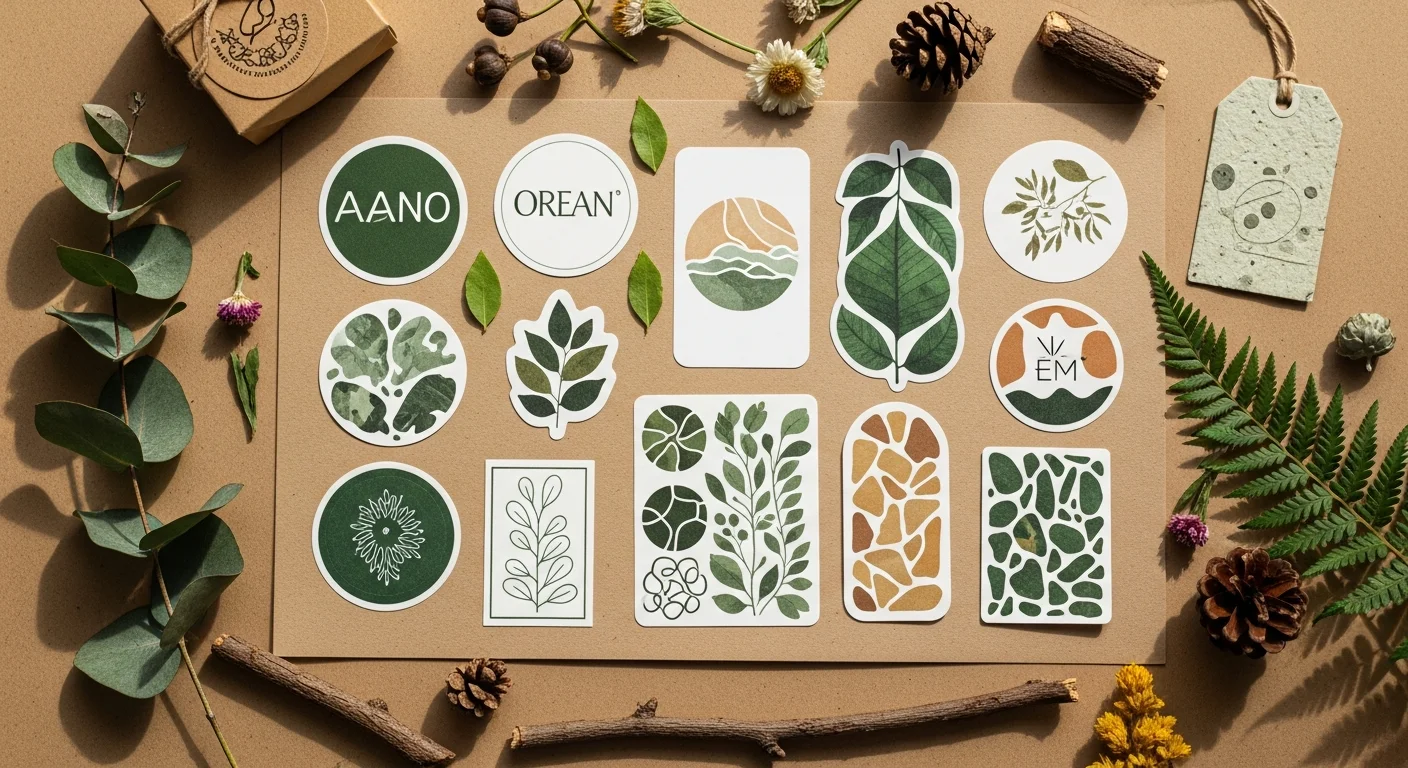
The demand for sustainable custom stickers has surged dramatically in recent years, and 2026 marks a turning point where eco-friendly labels are no longer a niche specialty but a mainstream expectation. Consumers increasingly evaluate brands based on their environmental commitments, and the humble sticker — once an afterthought in sustainability discussions — has become a visible signal of a company's values. Every product label, packaging seal, promotional sticker, and branded decal represents an opportunity to demonstrate genuine environmental responsibility through eco-friendly label choices. From recycled paper stickers and FSC-certified sticker paper to plant-based vinyl alternatives and compostable sticker materials, the options for green sticker printing have expanded significantly, making it easier than ever to align your custom sticker orders with your sustainability goals.
However, navigating the eco-friendly sticker landscape requires more than selecting a material labeled "green." Greenwashing prevention demands that brands understand the actual environmental impact of their choices — from substrate and ink composition to adhesive chemistry and end-of-life recyclability. This comprehensive guide examines every dimension of sustainable custom sticker production: materials, inks, adhesives, packaging, certifications, and cost considerations. Whether you are a small business looking to transition your product labels to plastic-free sticker options, a corporate brand evaluating eco-certified sticker suppliers, or an entrepreneur building an eco brand identity from the ground up, this article provides the factual, actionable information you need. For background on standard sticker materials, review our vinyl vs paper vs BOPP comparison before exploring sustainable alternatives.
Why Eco-Friendly Stickers Matter in 2026
The sticker and label industry generates billions of units annually, and traditional production relies heavily on PVC-based vinyl, solvent-based inks, and non-recyclable release liners. The environmental cost is significant: conventional vinyl stickers are not biodegradable, release toxic compounds during incineration, and contribute to microplastic pollution when they degrade. In 2026, regulatory pressure and consumer expectations are accelerating the shift toward sustainable alternatives.
Studies show that 73% of consumers are willing to pay more for products with sustainable packaging, and that percentage increases to 83% among millennials and Gen Z — the demographics most likely to purchase and display custom stickers. For businesses, the calculus is clear: investing in green business stickers is not just an ethical choice but a strategic one that strengthens brand loyalty, opens doors to eco-conscious retail channels, and future-proofs your product line against tightening environmental regulations.
Beyond consumer perception, many industries now require or incentivize sustainable packaging labels. Food and beverage companies face growing pressure to use compostable or recyclable labels, cosmetics brands must comply with clean-beauty packaging standards, and e-commerce businesses are evaluated on their total packaging footprint including stickers and labels. The sustainable custom sticker market is responding with innovations that deliver performance comparable to traditional materials — without the environmental cost.
Sustainable Sticker Materials
The substrate — the physical material your sticker is made from — is the single biggest factor in its environmental footprint. Here are the leading sustainable custom sticker materials available in 2026.

Recycled Paper Stickers
Recycled paper stickers use post-consumer recycled content — typically 80–100% PCR (post-consumer recycled) fiber. They deliver a natural, uncoated aesthetic that works beautifully for kraft paper sticker applications, artisan brands, and organic product packaging. Uncoated recycled sticker surfaces accept writing, making them versatile for personalized labels. The tradeoff is reduced water resistance compared to film materials, making them best suited for indoor applications or products that will not be exposed to moisture.
FSC-Certified Paper
FSC-certified sticker paper comes from responsibly managed forests that maintain biodiversity, benefit local communities, and ensure sustainable harvesting practices. FSC certification (Forest Stewardship Council) is one of the most recognized and trusted environmental certifications globally. FSC-certified substrates are available in both coated and uncoated finishes and offer the same print quality as conventional paper stocks. For brands that need a natural paper label with verifiable sustainability credentials, FSC certification provides legitimate eco claims backed by third-party auditing.
Plant-Based Vinyl Alternatives
Traditional vinyl stickers are PVC-based — a petroleum product with significant environmental concerns. Plant-based vinyl alternatives use biopolymers derived from sugarcane, corn starch, or other renewable resources to create a PVC-free label material with similar durability and flexibility. These materials are not yet as widely available or as cost-effective as conventional vinyl, but they represent the fastest-growing segment in sustainable sticker materials. Some plant-based films achieve comparable waterproofing and UV resistance to traditional vinyl, making them viable plastic-free sticker options for outdoor applications.
Biodegradable and Compostable Materials
Biodegradable sticker material breaks down naturally in landfill conditions over months to years, while compostable sticker materials meet specific standards (ASTM D6400 or EN 13432) for industrial composting — fully decomposing within 90 days in a commercial composting facility. Compostable stickers are ideal for food packaging, single-use event labels, and any application where the sticker will be discarded after short-term use. Note that "biodegradable" is a less regulated claim than "compostable," so look for specific composting certifications when evaluating materials from any eco-certified sticker supplier.
Choosing the Right Sustainable Substrate
Selecting the optimal sustainable custom sticker material depends on balancing environmental impact with performance requirements. For indoor product labels that need a premium printed finish, FSC-certified coated paper delivers print quality indistinguishable from conventional stock while maintaining verified sustainability credentials. For outdoor applications where waterproofing is essential, plant-based vinyl alternatives or sugarcane-derived bioplastic films provide PVC-free label material options that withstand rain, sun, and temperature fluctuations. When the sticker will be discarded within days or weeks — event badges, promotional handouts, food packaging seals — compostable materials offer the most responsible choice because they break down completely in commercial composting facilities. Consider your sticker's full lifecycle: where it will be applied, how long it needs to last, and how the end user will dispose of it. This lifecycle analysis ensures your sustainable material choice delivers genuine environmental benefit rather than simply appearing green on the surface.
Eco-Friendly Inks and Printing
The ink used to print your stickers contributes to both the environmental footprint of production and the recyclability of the finished product. Traditional printing uses petroleum-based inks containing volatile organic compounds (VOCs) that contribute to air pollution and create hazardous waste. The shift to eco-friendly ink alternatives has accelerated dramatically, with water-based ink sticker printing, soy ink printing, and UV-curable systems now available from most commercial sticker printers at competitive prices.
Water-Based Inks
Water-based ink sticker printing replaces petroleum solvents with water as the primary carrier. This dramatically reduces VOC emissions — typically by 80–95% compared to solvent-based inks. Water-based inks produce vibrant colors on paper substrates and are compatible with recycling processes, meaning stickers printed with water-based inks do not contaminate the recycling stream. VOC-free printing with water-based inks is increasingly the standard for eco-certified sticker suppliers.
Soy and Vegetable-Based Inks
Soy ink printing uses soybean oil as the primary vehicle instead of petroleum-derived oil. Soy inks produce richer, more saturated colors than traditional inks while generating fewer emissions during production and enabling easier deinking during paper recycling. Vegetable-based inks expand the source to include linseed, canola, and other plant oils. Both options are widely available from commercial printers and add minimal cost premium over conventional inks.
UV-Curable Inks
UV-curable inks contain no solvents and produce zero VOC emissions during the printing process. They cure instantly under ultraviolet light, eliminating the need for heat drying and reducing energy consumption. While UV inks are not inherently "natural" (they contain photoinitiators and acrylate monomers), their zero-emission printing process and reduced energy usage make them a strong environmental choice for high-volume sticker production. UV curing also produces sharper, more durable prints that resist fading and scratching, meaning UV-printed stickers can last longer and require fewer replacements — reducing the total environmental impact over the sticker's useful life.
Choosing the Right Eco-Friendly Ink
The best ink choice depends on your sticker substrate, production volume, and sustainability priorities. Water-based inks pair naturally with paper and recycled paper substrates for the most eco-friendly combination. Soy inks work well on both paper and some film substrates, offering a versatile middle ground. UV-curable inks deliver the best durability and are the preferred choice for film-based substrates where water-based inks may not adhere properly. When evaluating ink options, ask your supplier about their VOC emission rates, waste disposal practices, and whether they use closed-loop ink recycling systems that recover and reuse unused ink from the printing process.
Sustainable Adhesive Options
Adhesive chemistry is often overlooked in sustainability discussions, but it plays a critical role in whether a sticker can be recycled, composted, or cleanly removed. Traditional pressure-sensitive adhesives are typically acrylic or rubber-based petrochemical formulations.
Removable eco sticker adhesives allow clean-peel sustainable removal without leaving residue on surfaces — important for applications where the sticker will be removed (window labels, temporary packaging, event badges). Residue-free eco adhesive formulations use water-based or hot-melt adhesives derived from renewable resources. Some biodegradable adhesive options use starch-based or natural rubber formulations that break down alongside compostable substrates in industrial composting conditions.
For product labels that need permanent adhesion, look for adhesives that are compatible with the recycling process of the substrate they are applied to. The APR (Association of Plastic Recyclers) publishes guidelines on label adhesives that do not interfere with PET and HDPE recycling streams. Choosing an APR-compliant adhesive ensures your product labels do not downgrade the recyclability of the containers they are applied to.
Eco-Friendly Packaging and Shipping
Sustainable sticker production extends beyond the sticker itself to include how stickers are packaged and shipped. Eco-friendly packaging for sticker orders should minimize single-use plastic and use recyclable or compostable materials throughout the supply chain.

Leading eco-certified sticker suppliers ship orders in recycled cardboard boxes with paper void fill instead of plastic bubble wrap. Sticker backing release liners — often the most wasteful component — are increasingly available in recyclable PET or paper-based alternatives. Some suppliers offer liner-free sticker formats for machine application, eliminating release liner waste entirely. Carbon neutral printing programs offset the carbon emissions of production and shipping through verified carbon credits, adding another layer of environmental credibility to your sticker orders.
When evaluating a sticker supplier's packaging sustainability, look beyond the stickers themselves. Request information about their waste reduction practices during production — efficient nesting of designs on press sheets reduces material waste, and digital printing eliminates the solvent-heavy plate-making process used in traditional offset and flexographic printing. Some forward-thinking suppliers recycle their own production waste, including trim scraps and unused substrate rolls, and provide documentation of their waste diversion rates. This holistic approach to sustainable sticker production ensures that your commitment to eco-friendly labels extends through the entire supply chain, not just the finished product.
Eco-Friendly Stickers for Brands
For businesses building an eco brand identity, sustainable custom stickers serve as both functional products and visible statements of environmental commitment. Here is how different business types can leverage green sticker printing effectively.
Food and Beverage Brands: Use compostable sticker labels on packaging that will be discarded after consumption. Kraft paper sticker labels with soy ink printing communicate artisanal quality and environmental responsibility simultaneously. If you are building a brand identity around sustainability, explore our guide to stickers for business branding.
Cosmetics and Personal Care: Natural paper label substrates with water-based inks align with clean-beauty positioning. Removable eco sticker options allow consumers to easily separate labels from containers for recycling.
E-Commerce and DTC Brands: Sustainable packaging labels and branded shipping stickers printed on recycled or FSC-certified stock demonstrate commitment beyond the product itself. Customers notice — and share on social media — when brands invest in sustainable packaging details.
Retail and Merchandise: Green business stickers for product tags, price labels, and promotional materials show customers that sustainability extends to every touchpoint of the brand experience.
Events and Nonprofits: Organizations hosting conferences, fundraisers, or community events can use compostable sticker badges and event labels that align with zero-waste event goals. Nonprofit organizations communicating environmental missions should ensure their own promotional materials — including stickers — reflect the values they advocate. Using sustainable sticker materials for event giveaways, donor gifts, and awareness campaign materials creates consistency between message and medium that supporters notice and appreciate.
Cost Comparison: Eco vs Standard
One of the most common concerns about sustainable custom stickers is cost. Here is an honest comparison of pricing for eco-friendly versus standard sticker materials in 2026.

- Recycled paper vs standard paper: 5–15% premium for recycled content, with prices converging as demand increases
- FSC-certified paper vs conventional paper: 0–10% premium — the smallest gap in the sustainability category because FSC supply chains are well-established
- Plant-based vinyl vs PVC vinyl: 20–40% premium currently, though prices are decreasing year over year as production scales
- Compostable film vs BOPP: 15–30% premium, offset by the growing number of retail channels that require compostable packaging
- Water-based or soy inks vs solvent inks: 0–5% premium — the cost difference is negligible for most order sizes
The premium for eco-friendly sticker materials is shrinking as production scales, supplier competition increases, and conventional material costs rise due to petroleum price volatility. For many brands, the marketing value of legitimate eco claims — increased customer loyalty, access to eco-conscious retailers, and positive brand perception — more than offsets the modest cost premium. Additionally, the total cost of ownership should account for brand reputation benefits: companies that publicize their shift to sustainable sticker materials report measurable increases in customer trust scores and social media sentiment. The investment in green sticker printing pays dividends that extend far beyond the per-unit cost comparison. For detailed pricing analysis, see our sticker pricing guide.
Certifications and Eco Claims
Not all "eco-friendly" claims are equal. Greenwashing prevention requires understanding which certifications are legitimate, third-party verified, and meaningful to environmentally conscious consumers.

Recognized Certifications
- FSC (Forest Stewardship Council): Verifies paper comes from responsibly managed forests. Chain-of-custody certification traces material from forest to finished product
- SFI (Sustainable Forestry Initiative): North American forestry standard with fiber sourcing requirements
- PEFC (Programme for the Endorsement of Forest Certification): International framework endorsing national forest certification systems
- OK Compost (TUV Austria): Certifies materials meet EN 13432 for industrial composting
- BPI Compostable: North American certification for materials meeting ASTM D6400 composting standards
- Green Seal: Third-party certification for products meeting rigorous environmental standards
Claims to Verify Carefully
"Biodegradable" without specific certification standards or timeframe claims can be misleading — many materials technically biodegrade but take decades or centuries under landfill conditions. "Recyclable" depends on local recycling infrastructure and collection programs, not just material composition. "Natural" and "eco-friendly" are unregulated terms with no standardized meaning or verification requirements. Legitimate eco claims always reference specific certification standards, testing protocols, and third-party verification bodies. As a brand, using certified materials protects you from greenwashing accusations and provides credible evidence for your sustainability messaging.
When communicating your sustainability commitments through sticker materials, be specific about what you have done rather than making broad claims. "Printed on FSC-certified paper with water-based inks" is a factual, verifiable statement that builds trust. "Eco-friendly sticker" without context is the kind of vague claim that environmentally savvy consumers — and increasingly, regulatory bodies — will challenge. Build your sustainable sticker program on verifiable certifications, transparent material sourcing, and honest communication about both your achievements and the areas where you are still improving. This approach strengthens your eco brand identity far more effectively than aspirational language without substance.
Choose Sustainable Stickers
The transition to sustainable custom stickers does not require sacrificing quality, durability, or visual impact. Today's eco-friendly sticker materials deliver professional results that rival conventional options while demonstrating genuine environmental responsibility. Whether you choose recycled paper stickers for your artisan packaging, FSC-certified labels for your retail products, or plant-based vinyl for your outdoor branding, every sustainable choice strengthens your eco brand identity and resonates with the 73% of consumers who prioritize environmental responsibility in their purchasing decisions.
RareCustom offers a growing selection of sustainable custom sticker materials, including recycled paper, FSC-certified stock, water-based inks, and eco-friendly adhesive options. Our team helps you navigate certification standards and select the right combination of sustainable materials for your specific application. Design your eco-friendly stickers with our free online tool, or explore our full range of custom sticker options to find sustainable solutions that match your brand values and budget. Sustainability and quality are not mutually exclusive — with the right materials and partner, they go hand in hand.
Related Articles
Share this article
Written by
Rohan Mehta
Head of Marketing at RareCustom. Rohan covers sustainability trends and helps businesses choose eco-friendly custom stickers that align with their environmental commitments.