Custom Jerseys for Every Sport: Basketball, Football, Baseball, Soccer & More
Discover what makes jerseys unique for each sport. This guide covers cut, fabric, numbering rules, and design norms for basketball, football, baseball, soccer, hockey, and volleyball.
Terrence Okafor
Head of Production at RareCustom with 20+ years in commercial printing. Terrence's sport-specific expertise helps teams choose the right jersey construction for every sport.
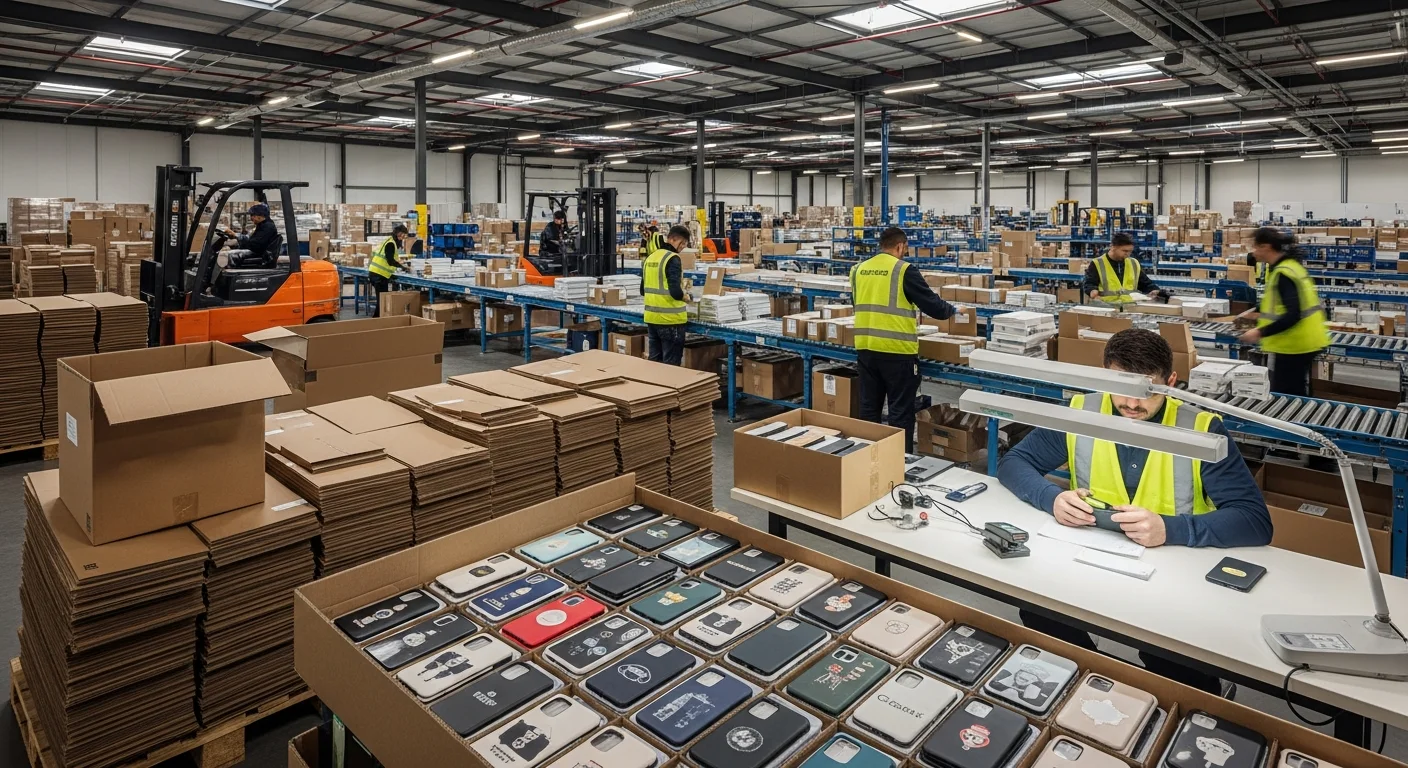
Not all custom jerseys are created equal. A basketball jersey that works perfectly for a point guard would be a terrible choice for a football lineman, and neither would suit a baseball pitcher. Each sport has distinct requirements for cut, fabric weight, sleeve style, numbering, and durability that your custom jersey must meet to perform properly on the field or court.
This guide breaks down the specific design requirements, fabric recommendations, and ordering considerations for the six most popular team sports. Whether you are a team manager ordering for one sport or an athletic director outfitting an entire school program, this sport-by-sport breakdown ensures your jerseys are right for the game.
Basketball Jerseys
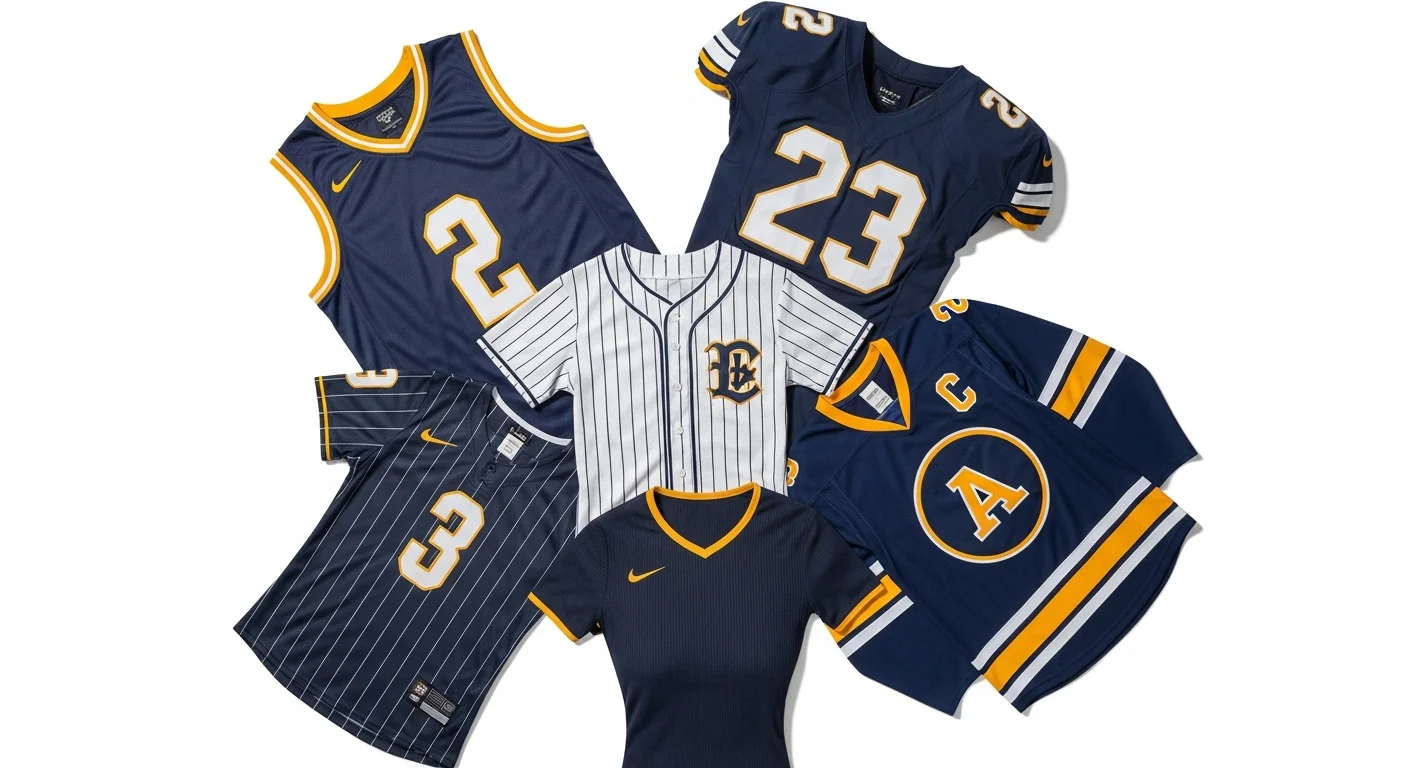
Basketball jerseys are sleeveless with wide armholes to allow unrestricted shooting and ball-handling. The standard cut features a scoop or V-neck collar and falls to mid-hip length. Fabric is lightweight polyester mesh (140-180 GSM) with maximum breathability since basketball is played indoors with intense running.
Number placement follows strict guidelines in most leagues: front numbers are at least four inches tall, back numbers are at least six inches tall, and both must be a contrasting color from the jersey body. Many leagues also require numbers on the waistband area of shorts. Reversible basketball jerseys are popular for practices, allowing teams to scrimmage without needing separate pinnie sets.

Football Jerseys
Football jerseys require a wider, more reinforced construction to accommodate shoulder pads underneath. The fabric is heavier polyester mesh (180-240 GSM) with reinforced seams at stress points. Sleeves are short and fitted to prevent opponents from grabbing excess material. The collar is typically a crew neck or V-neck with a reinforced neckline.
Numbers must appear on both the front and back, with back numbers at least eight inches tall in most leagues. Many teams also add numbers to the sleeves and helmet decals that match the jersey design. For a cohesive look, order matching pants and socks with coordinated color patterns.
Baseball Jerseys
Baseball jerseys come in two main styles: full-button and pullover. Traditional button-front jerseys use a heavier warp knit or double-knit polyester that maintains structure while allowing overhead throwing motion. Pullover styles use a lighter mesh similar to basketball jerseys. Pinstripes remain a classic baseball aesthetic that sublimation handles beautifully.
Numbering in baseball typically appears on the back only, with the team name across the front chest. Player last names are standard on the back above the number. Many teams also add a small logo to the left chest or sleeve. Pants are always ordered separately and matched to the jersey color scheme.
Soccer Jerseys
Soccer jerseys are fitted and lightweight (130-160 GSM polyester) with short sleeves or long sleeves depending on the season. The cut is closer to the body than other sports to reduce grabbing opportunities. Modern soccer jerseys feature raglan sleeves for a wider range of shoulder motion and mesh ventilation panels under the arms and along the back.
Front numbers are typically smaller (three to four inches) and positioned on the right chest, while back numbers are large (eight to ten inches). The team crest sits on the left chest. Sponsor logos — common in soccer at all levels — occupy the center front. For color guidance on home and away kits, see our team colors and palette guide.
Hockey Jerseys
Hockey jerseys use a heavier fabric called Airknit or AK Knit, a textured polyester with small pinholes that provide moderate breathability while maintaining durability against stick contact and ice spray. The cut is oversized to fit over protective equipment. Lace-up or crew-neck collars are standard, and the hemline falls below the waist to tuck into pants.
Hockey jersey decoration often uses tackle twill (sewn-on fabric letters and numbers) rather than sublimation for a premium, textured look. Sublimation works for recreational and youth leagues looking for a more affordable option. Team logos are large and centered on the front chest, with numbers on the back and both sleeves.
Volleyball Jerseys
Volleyball jerseys are similar to basketball jerseys in their lightweight, sleeveless construction, but they tend to fit more closely to the body to avoid interference during dives and overhead plays. Women's volleyball jerseys often feature a cap sleeve or short sleeve rather than a true sleeveless cut. Fabric is ultra-lightweight polyester mesh with four-way stretch.
Numbers must appear on the front and back, with back numbers at least four inches tall. Many volleyball teams coordinate jersey designs with custom warm-up jerseys and long-sleeve practice shirts for a complete team look.

Choosing the Right Fabric by Sport
The fabric you choose directly affects comfort, durability, and print quality. Lightweight mesh (under 160 GSM) works best for basketball, volleyball, and soccer. Medium-weight mesh (160-200 GSM) suits football and lacrosse. Heavyweight Airknit (200+ GSM) is reserved for hockey. For a deep dive into fabric options, read our jersey fabric guide.
Ordering for Multi-Sport Programs
Schools and athletic clubs ordering across multiple sports should establish a consistent brand identity. Use the same two or three team colors across all sports, maintain consistent logo placement, and choose complementary number fonts. This creates a unified athletic program identity even though each sport has a different jersey template.
Frequently Asked Questions
Can I use the same design for different sports?
You can use the same color scheme and logo, but the jersey template must change per sport. Basketball needs sleeveless, football needs reinforced shoulders, baseball may need button fronts. A good design system adapts your branding to each sport's requirements.
Which sport jerseys are most expensive to customize?
Hockey jerseys are typically the most expensive due to heavier fabric and tackle twill decoration. Football jerseys are next due to reinforced construction. Basketball, soccer, and volleyball jerseys are generally the most affordable because they use less fabric and lighter materials.
Do different sports have different jersey numbering rules?
Yes. Number sizes, placement, and contrast requirements vary by sport and league. Basketball requires front and back numbers. Football requires front, back, and often sleeve numbers. Baseball typically uses back numbers only. Always check your specific league rules before finalizing your design.
Share this article
Written by
Terrence Okafor
Head of Production at RareCustom with 20+ years in commercial printing. Terrence's sport-specific expertise helps teams choose the right jersey construction for every sport.