Custom Pillow Fabrics: Cotton vs Linen vs Velvet vs Polyester Compared
Compare the most popular custom pillow fabrics including cotton, linen, velvet, polyester, and outdoor materials. Learn which fabric is best for printing, durability, comfort, and your specific use case.
Terrence Okafor
Head of Production at RareCustom with 20+ years in commercial printing. Terrence's hands-on knowledge of hoodie fabrics and construction helps customers select the perfect material for every project.
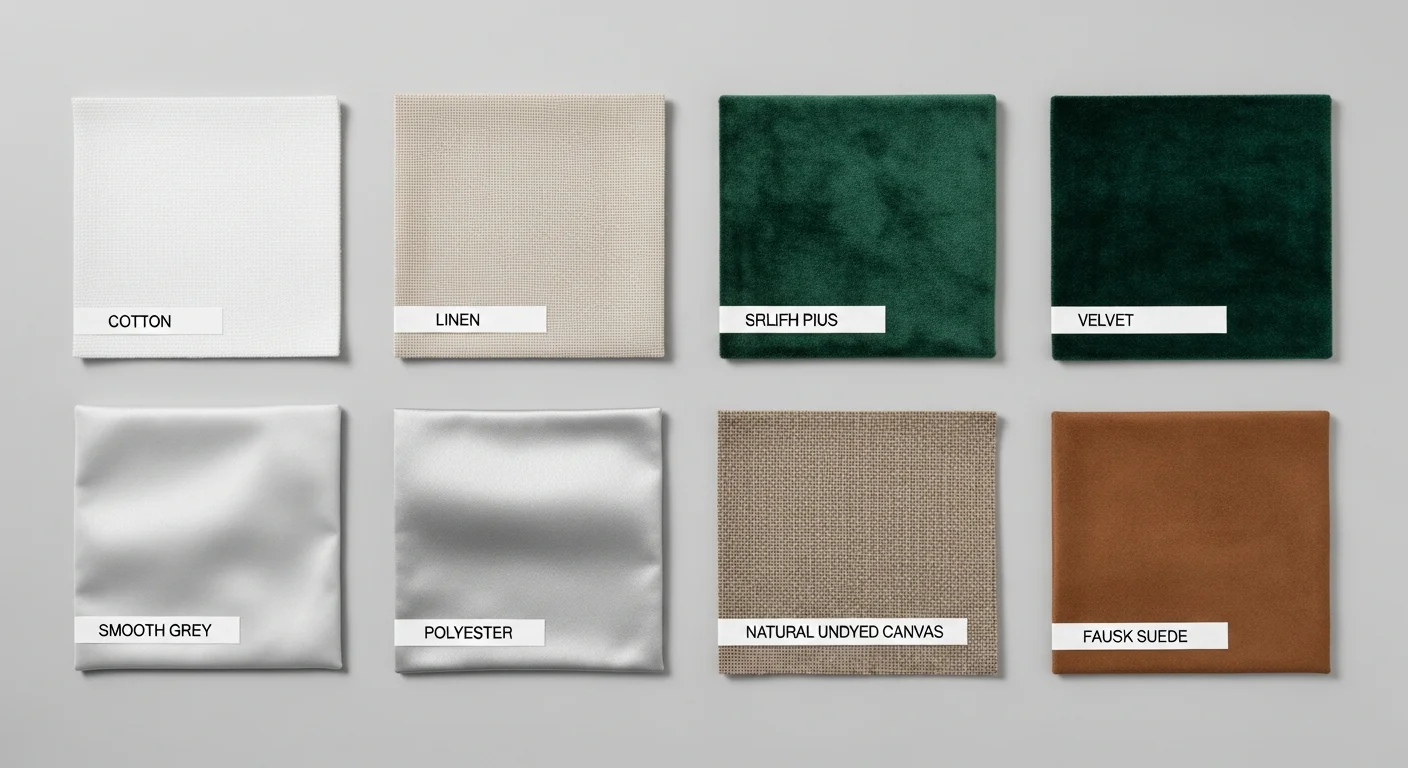
The fabric you choose for your custom pillow affects everything — how vibrant the print looks, how the pillow feels against your skin, how long it lasts, and how easy it is to clean. Many first-time buyers focus entirely on the design and overlook the material, only to end up with a pillow that looks great in photos but feels scratchy, fades quickly, or does not hold up to regular use.
This comprehensive fabric guide compares every major pillow material available for custom printing, helping you choose the right fabric for your project. Whether you are designing a plush velvet accent pillow for your living room or a weather-resistant custom outdoor pillow for your patio, the fabric choice makes all the difference.
Cotton Pillows: The Versatile Classic
Cotton is the most widely used fabric for custom pillows and for good reason. It is natural, breathable, soft against the skin, and accepts printed designs with excellent color accuracy. Cotton pillows feel familiar and comfortable — the same material used in your favorite t-shirts and bed sheets.
Pros: Cotton is hypoallergenic, breathable, and machine washable. It provides a smooth surface for detailed photo printing and reproduces colors accurately. Cotton softens with each wash rather than degrading, making it a great choice for pillows that will be used and laundered frequently.
Cons: Cotton wrinkles more easily than synthetic fabrics. It can shrink slightly after the first wash if not pre-shrunk during manufacturing. Cotton is also more susceptible to fading from prolonged sun exposure compared to polyester blends.
Best for: Photo pillows, bedroom accent pillows, nursery decor, everyday throw pillows, and any application where softness and skin contact are priorities. Cotton is the safest all-around choice for most custom pillow projects.
Print compatibility: Cotton works with DTG (direct-to-garment) printing, sublimation (on poly-cotton blends), screen printing, and embroidery. For the sharpest photo reproduction, choose a tight-weave cotton with at least 200 thread count. Learn more about printing options in our printing methods comparison guide.
Polyester and Microfiber Pillows
Polyester is the workhorse of the custom pillow industry. It is affordable, durable, wrinkle-resistant, and provides the most vivid color reproduction of any pillow fabric. Microfiber — an ultra-fine polyester weave — adds a silky-soft hand feel that rivals natural fabrics.
Pros: Polyester resists fading, shrinking, and wrinkling. It dries quickly, repels moisture, and maintains its shape wash after wash. For sublimation printing, polyester produces the most vivid, photo-realistic results because the dye bonds permanently with the synthetic fibers at a molecular level.
Cons: Polyester is less breathable than cotton and can feel warm against the skin in hot weather. Lower-quality polyester can have a slightly plasticky texture. It is also a synthetic material, which may be a concern for environmentally conscious buyers.
Best for: Sublimation photo pillows, full-color all-over prints, outdoor-adjacent use (covered patios), promotional and branded pillows, and any design where color vibrancy is the top priority.

Linen Pillows: Texture and Durability
Linen brings a distinctive textured, slightly nubby surface that adds visual depth and character to custom pillows. Made from flax fibers, linen is one of the strongest natural fabrics available and develops a beautiful, lived-in patina over time.
Pros: Linen is exceptionally durable — two to three times stronger than cotton. It has natural antibacterial properties, absorbs moisture without feeling damp, and gets softer with every wash. The textured weave adds visual interest even to simple designs, giving printed graphics an artisan, handcrafted quality.
Cons: Linen wrinkles easily and the textured surface can slightly reduce the sharpness of very fine print details. It is more expensive than cotton or polyester and requires gentler washing. Linen's natural color variations mean the base tone can range from bright white to warm ivory, affecting how printed colors appear.
Best for: Farmhouse and rustic decor, minimalist text-based designs, monogram pillows, coastal and bohemian interiors, and gifts for design-conscious recipients who appreciate natural materials and artisanal aesthetics.
Velvet and Faux Suede Pillows
Velvet instantly elevates any pillow design from casual to luxurious. The dense, plush pile creates a rich surface that catches light beautifully and adds tactile depth that flat fabrics cannot match. Faux suede offers a similar premium feel with a smoother, more matte finish.
Pros: Velvet creates an unmistakable sense of luxury and sophistication. The pile fabric adds dimension to printed designs, making colors appear deeper and more saturated. Faux suede provides excellent scratch resistance and a buttery-soft hand feel that customers consistently rate as their favorite pillow texture.
Cons: Velvet shows pressure marks (pile crushing) from sitting or leaning, though these typically brush out easily. It requires more careful cleaning — spot cleaning or gentle machine washing on a delicate cycle. Velvet is also more expensive per unit than cotton or polyester options.
Best for: Luxury home decor, bedroom accent pillows, holiday gift pillows, wedding and event decor, and any application where the pillow's tactile quality is as important as its visual design.

Canvas and Burlap Pillows: Rustic Style
Canvas and burlap are heavyweight, textured fabrics that create a distinctly rustic, farmhouse aesthetic. Canvas — a tightly woven cotton or cotton-blend fabric — is sturdy and durable. Burlap — made from jute fibers — has a loose, coarse weave that screams country charm.
Canvas pros: Extremely durable, holds its shape well, provides a matte surface for printing, and works beautifully with both digital printing and screen printing. Canvas pillows hold up to heavy use on couches, benches, and outdoor furniture.
Burlap pros: Unmatched rustic aesthetic, unique natural texture, and eco-friendly jute material. Burlap pairs beautifully with stenciled or screen-printed designs, especially for farmhouse, wedding, and seasonal decor themes.
Best for: Farmhouse decor, rustic wedding pillows, seasonal holiday pillows (especially fall and Christmas), front porch accent pillows, and designs that benefit from a textured, artisanal look. Consider burlap for events and canvas for everyday use due to durability differences.
Satin and Silk-Feel Pillows
Satin pillows offer a glossy, smooth surface that creates a glamorous, high-shine look. True silk is rarely used for printed pillows due to cost, but satin (typically a polyester satin weave) replicates the lustrous appearance at a fraction of the price.
Pros: Satin's reflective surface creates rich, luminous colors that pop dramatically. The smooth texture feels cool against the skin and resists friction, making satin pillows popular for bedroom use. Satin also photographs exceptionally well — the sheen catches studio and natural light beautifully.
Cons: Satin is slippery, which means pillows can slide off couches and beds more easily. The glossy surface shows fingerprints and water spots. Satin is also less durable than matte fabrics and can snag or pull if treated roughly.
Best for: Bedroom decor, boudoir photography props, bridal shower gifts, luxury gift presentations, and designs where visual drama and shine are desired. Satin pairs particularly well with dark, rich color palettes like burgundy, navy, emerald, and black.
Outdoor Fabrics: Sunbrella, Olefin, and More
Outdoor pillow fabrics must withstand sun, rain, humidity, and temperature swings that would destroy indoor materials. Purpose-built outdoor fabrics like Sunbrella and Olefin are engineered for these harsh conditions.
Sunbrella: The gold standard for outdoor fabrics. Sunbrella is solution-dyed, meaning the color penetrates the entire fiber rather than just coating the surface. This makes it virtually fade-proof, even after years of direct UV exposure. It is also water-resistant, mildew-resistant, and bleach-cleanable. Sunbrella custom pillows cost more upfront but last 5-10 years outdoors.
Olefin (polypropylene): A budget-friendly outdoor alternative to Sunbrella. Olefin resists moisture, mildew, and UV fading at a lower price point. It is slightly less durable than Sunbrella but still far superior to standard cotton or polyester for outdoor use.
Outdoor polyester: Treated with UV and water-resistant coatings, outdoor polyester offers a middle ground between cost and performance. Good for covered patios and seasonal outdoor use, but may fade faster than Sunbrella in full sun exposure.
For a deep dive into outdoor pillow materials, weather resistance ratings, and care instructions, read our dedicated custom outdoor pillows guide.

Pillow Fill Types: Polyester Fiberfill, Down Alternative, and Memory Foam
The fill inside your custom pillow determines its firmness, shape retention, and overall comfort. Most custom pillow services offer the cover (printed fabric) with a removable insert, allowing you to choose or upgrade your fill separately.
Polyester fiberfill: The most common and affordable pillow fill. Polyester fiberfill is hypoallergenic, machine washable, and available in various densities from soft to firm. It provides good shape retention and bounces back after compression. This is the standard fill for most custom throw pillows.
Down alternative: A premium synthetic fill designed to mimic the loft and softness of real goose down without allergens or ethical concerns. Down alternative pillows feel luxuriously plush and compress more than fiberfill, creating a relaxed, "lived-in" look. Ideal for bedroom pillows and high-end decor.
Memory foam: Dense, supportive fill that conforms to pressure and slowly returns to shape. Memory foam is heavier than other fills and creates a structured, firm pillow. Best for lumbar support pillows, bench cushions, and floor pillows where structural support matters more than decorative fluffiness.
Kapok: A natural, sustainable fill harvested from kapok tree seed pods. Kapok is silky soft, naturally hypoallergenic, and moisture-resistant. It offers a luxurious feel similar to down but from a plant-based source. Popular among eco-conscious buyers looking for natural alternatives.

Which Fabric for Which Use Case
Choosing the right fabric comes down to matching your priorities to the material's strengths. Here is a quick reference guide organized by common use cases:
Photo pillows and detailed prints: Polyester microfiber (sublimation) or tight-weave cotton (DTG). These fabrics provide the smoothest surface for sharp, color-accurate photo reproduction.
Everyday living room throw pillows: Cotton or cotton-blend for comfort, or canvas for durability. Both accept printed designs well and are machine washable for easy care.
Luxury bedroom accent pillows: Velvet or faux suede for tactile elegance, or satin for a glamorous sheen. Pair with a down alternative insert for maximum plushness.
Outdoor patio and garden pillows: Sunbrella for maximum longevity, Olefin for a budget option, or treated polyester for seasonal use. All resist moisture and UV damage.
Rustic and farmhouse decor: Canvas for everyday durability or burlap for maximum rustic aesthetic. Both pair beautifully with stenciled, screen-printed, or embroidered designs.
Event favors and promotional pillows: Polyester or poly-cotton blends offer the best value for bulk orders while maintaining vibrant print quality. For budget tips on large orders, see our budget custom pillows guide.
No matter which fabric you choose, RareCustom pillow printing ensures vibrant, durable results on every material. Start designing your custom pillow today and feel the difference the right fabric makes.
Share this article
Written by
Terrence Okafor
Head of Production at RareCustom with 20+ years in commercial printing. Terrence's hands-on knowledge of hoodie fabrics and construction helps customers select the perfect material for every project.