Custom Sweatshirt Fabric Guide: Fleece, French Terry, Cotton Blend & More
Compare sweatshirt fabrics for custom printing. Learn the differences between fleece, French terry, cotton blends, tri-blend, and heavyweight options for your project.
Aisha Patel
Head of Materials Science & Sustainability at RareCustom. M.S. in Textile Engineering from NC State with AATCC certification and ISSP Sustainability Practitioner certification. 7+ years evaluating fabrics, materials, and eco-friendly production processes.
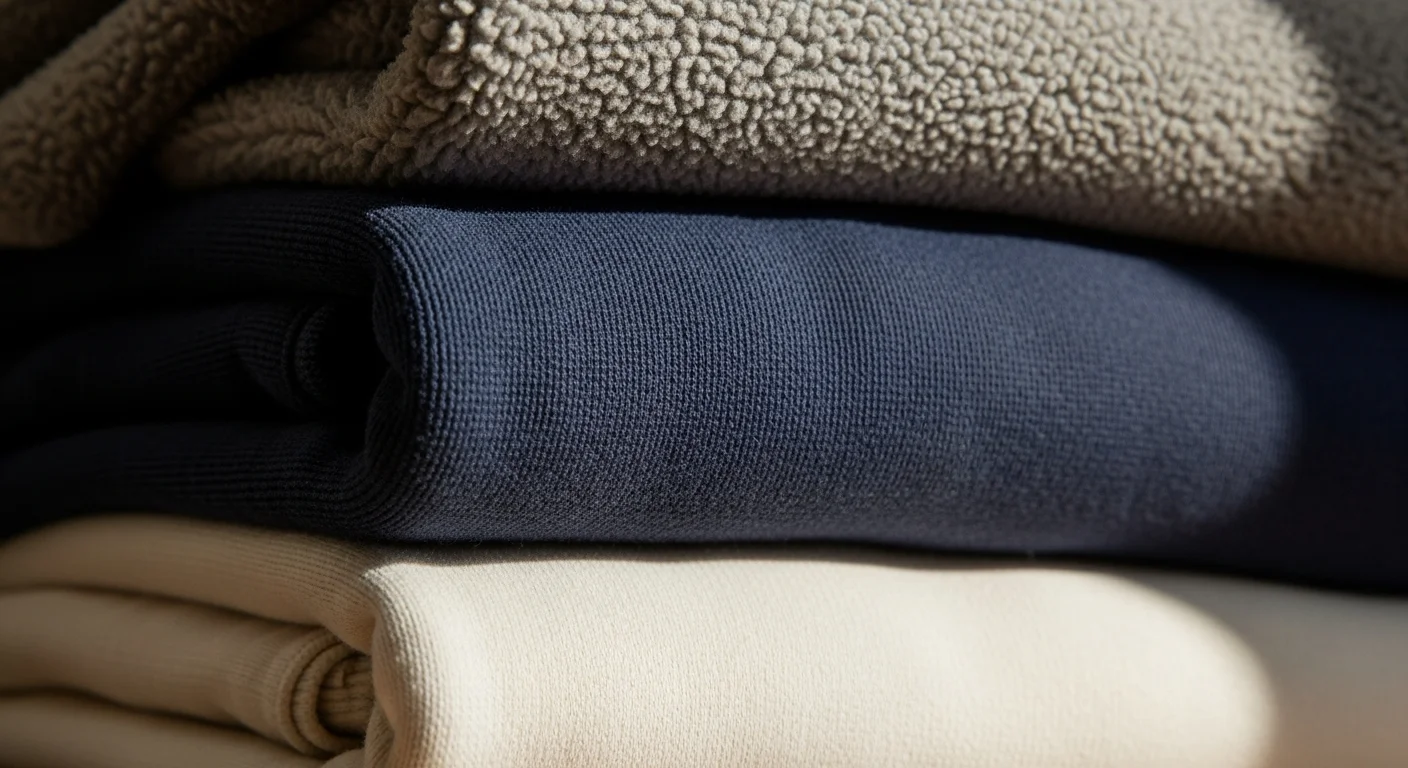
The fabric you choose for your custom sweatshirt affects everything from how the print or embroidery looks to how the garment feels, washes, and wears over time. With options ranging from lightweight French terry to heavyweight brushed fleece, understanding what each fabric brings to the table helps you make the right call for your project.
This guide breaks down every major sweatshirt fabric, covering weight, warmth, print compatibility, and ideal use cases so you can match the fabric to your needs rather than guessing.
Why Fabric Choice Matters for Custom Sweatshirts
Fabric is not just about comfort. It directly impacts print adhesion, embroidery stability, shrinkage behavior, and how your finished sweatshirt drapes on the body. A fabric that works beautifully for screen printing might not be ideal for sublimation. A lightweight option that is perfect for spring events would be inadequate for outdoor winter wear. Getting this right at the start prevents costly mistakes later.
Brushed Fleece
Brushed fleece is the classic sweatshirt interior. The inside surface is brushed to create a soft, fuzzy texture that traps warm air. The outside is smooth and provides an excellent surface for screen printing and DTG. Brushed fleece typically runs 8 to 12 ounces per square yard, making it the warmest standard sweatshirt option.
Best for: Cold-weather apparel, winter events, premium merchandise, and any project where warmth is a priority. Embroidery looks especially rich on brushed fleece because the thread stands up against the soft background.

French Terry
French terry has loops on the inside instead of a brushed nap, creating a lighter, more breathable fabric. It typically weighs 5 to 8 ounces per square yard, making it comfortable in a wider range of temperatures. The smooth outer face produces clean, crisp prints, and the lighter weight makes it popular for year-round wear.
Best for: Year-round apparel, athleisure brands, lighter layering, and situations where breathability matters more than maximum warmth. French terry is also popular for garment-dyed options.
Cotton/Polyester Blend (50/50 or 60/40)
The most common and affordable sweatshirt fabric. The cotton provides softness and breathability while the polyester adds durability, wrinkle resistance, and shape retention. This blend shrinks less than 100% cotton and maintains its form wash after wash.
Best for: Budget-conscious projects, large group orders, everyday wear where durability matters. Screen printing performs excellently on cotton-poly blends. This is the workhorse fabric for school spirit wear, corporate orders, and event merchandise.
100% Cotton
Pure cotton sweatshirts offer the most natural hand feel and breathability. They accept garment dyeing beautifully, producing the vintage, lived-in aesthetic that is trending in 2026. However, 100% cotton shrinks more than blends and wrinkles more easily.
Best for: Garment-dyed vintage aesthetics, eco-conscious brands, customers who prefer natural fibers. DTG printing works especially well on 100% cotton since the ink absorbs deeply into the fibers for soft-hand prints.
Tri-Blend (Cotton/Polyester/Rayon)
Tri-blend combines the best of three fibers. Cotton for softness, polyester for durability, and rayon for drape. The result is an incredibly soft, slightly heathered fabric with a modern, relaxed drape that feels premium. Tri-blends are typically lighter weight (4 to 6 ounces).
Best for: Fashion-forward brands, retail merchandise where hand feel is a selling point, heathered color options, and premium positioning. The heathered texture creates a unique look that solid-color fabrics cannot replicate.

Fabric Weight Guide
Fabric weight is measured in ounces per square yard and directly correlates with warmth, durability, and perceived quality. Lightweight options (5 to 7 oz) work for layering and warmer climates. Midweight (7 to 9 oz) is the sweet spot for most custom projects. Heavyweight (9 to 12 oz) feels substantial and premium, ideal for outerwear and cold-weather merchandise.
Which Fabric for Which Printing Method
Screen printing works well on all sweatshirt fabrics but performs best on cotton-poly blends and brushed fleece. DTG excels on 100% cotton and cotton-rich blends. Embroidery performs beautifully on heavier fabrics (8+ oz) that provide stable backing for stitches. Sublimation requires high polyester content (65% or more), making it unsuitable for most traditional sweatshirts. For a comprehensive method comparison, see our printing methods guide.
For a parallel look at how these same fabrics perform in custom hoodies, our companion guide covers hood-specific considerations.
Frequently Asked Questions
What is the softest sweatshirt fabric?
Tri-blend is consistently rated as the softest due to the rayon content. Brushed fleece comes in second for interior softness. Garment-dyed 100% cotton develops an exceptionally soft hand feel after several washes.
Which fabric shrinks the least?
Cotton/polyester blends (50/50 or 60/40) shrink the least, typically less than 2%. Tri-blends also resist shrinkage well. 100% cotton sweatshirts can shrink up to 5%, especially if tumble-dried on high heat. Always recommend cold wash and air dry for custom sweatshirts to minimize shrinkage.
Which fabric is best for sublimation printing?
Sublimation requires at least 65% polyester content. Most traditional sweatshirt fabrics are cotton-dominant, making them unsuitable for sublimation. If sublimation is your preferred method, look for performance or moisture-wicking sweatshirts with high polyester content.
Share this article
Written by
Aisha Patel
Head of Materials Science & Sustainability at RareCustom. M.S. in Textile Engineering from NC State with AATCC certification and ISSP Sustainability Practitioner certification. 7+ years evaluating fabrics, materials, and eco-friendly production processes.