Custom T-Shirts for Summer Camps: Staff, Camper, and Counselor Apparel Guide
Design the perfect custom t-shirts for summer camps with our guide covering camper shirts, counselor apparel, cabin color-coding, budget tips, and bulk ordering for camp programs.
Tony Vu
Founder & President of RareCustom. Tony works with camp directors across the country to create affordable, durable custom apparel programs that build community spirit among campers and staff.
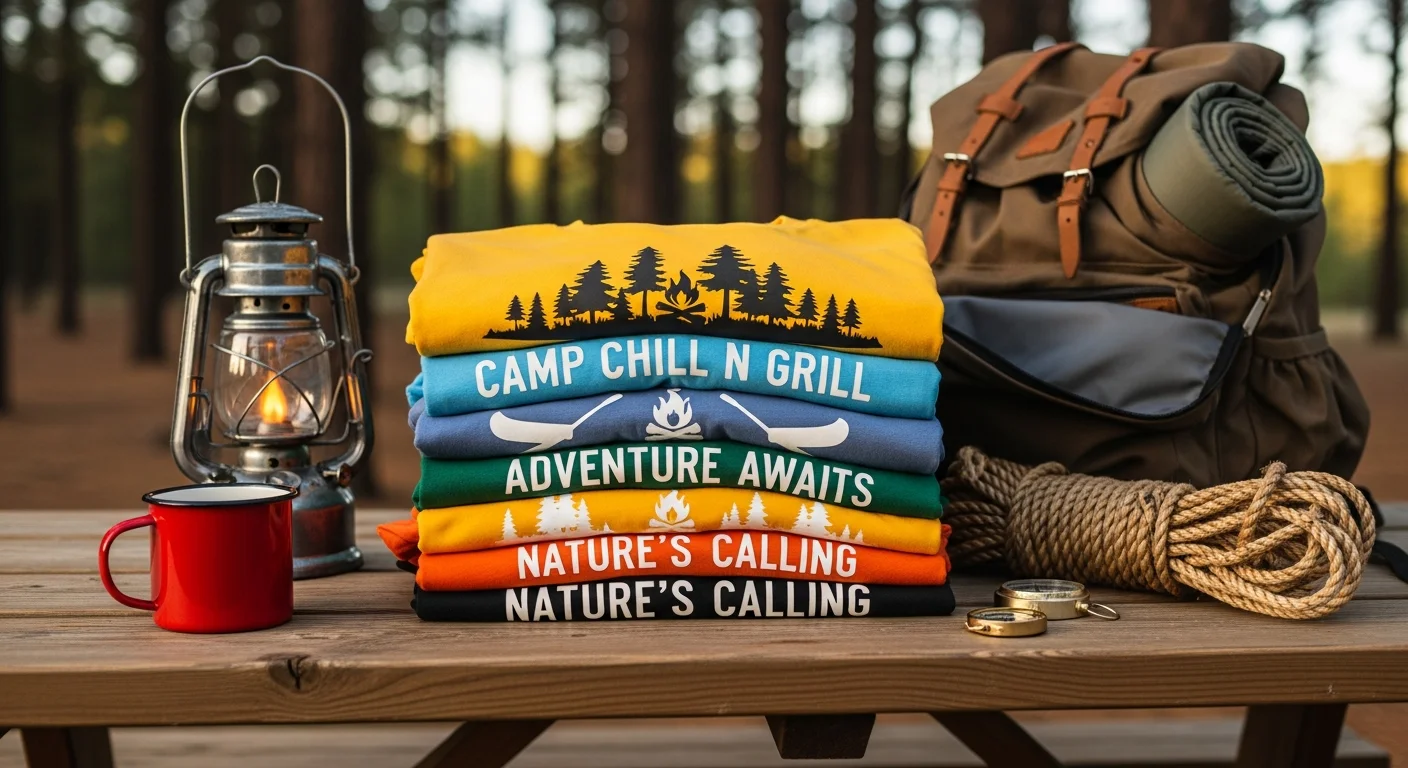
Summer camp is where lifelong memories are forged, friendships are made, and kids discover who they are away from the familiar routines of home and school. At the center of that experience, often overlooked but deeply meaningful, is the camp t-shirt. Custom t-shirts for summer camps serve as identity markers, team builders, safety tools, and cherished keepsakes that campers wear for years after their final campfire. Whether you run a day camp, an overnight wilderness program, a sports academy, or a church retreat, investing in thoughtful custom apparel elevates the entire camp experience for campers, counselors, and families alike.
Designing camp shirts involves balancing fun with function. Shirts need to withstand outdoor activities, be visible enough for safety purposes, represent the camp's brand and values, and appeal to the diverse age groups that most camps serve. In this guide from RareCustom, we cover everything from age-appropriate design strategies to fabric choices, budgeting for institutional orders, and creative ideas that campers will actually want to wear beyond the campground.
Why Camp Shirts Matter More Than You Think
Camp shirts are more than just branded merchandise. They are psychological anchors that connect campers to their camp identity and community. When a child puts on their camp t-shirt on the first day, it signals the beginning of the camp experience, a visual shift from their everyday life to something special. That shirt becomes associated with every adventure, every new friend, and every challenge they overcome during their camp session.
From a practical standpoint, matching camp shirts simplify logistics enormously. During field trips, swimming excursions, and off-site activities, matching shirts make it easy to spot your campers in a crowd. Parents appreciate the visual consistency when picking up children, and staff can quickly identify which group a camper belongs to when cabins or groups are color-coded. These functional benefits make camp shirts a safety tool as much as a morale builder.
For camp administrators, custom t-shirts are also a powerful marketing tool. Campers wearing their shirts in their home communities generate brand visibility that no advertising budget can match. When a child wears their camp shirt to school, the grocery store, or a family gathering, they are a walking endorsement that tells every parent in the vicinity, "This camp is worth checking out." The ROI on well-designed camp shirts extends far beyond the camp session itself.
Camper Shirt Designs by Age Group
Different age groups respond to different design aesthetics, and a shirt that thrills a seven-year-old might embarrass a thirteen-year-old. Understanding these preferences helps you create shirts that every camper is excited to wear.
Ages 5-8: Playful and Bold
Young campers love bright colors, large graphics, and designs that feel fun and energetic. Oversized mascot illustrations, cartoon-style camp scenes, and bold typography in primary colors work well for this age group. Keep text minimal since younger children are more responsive to visual imagery than written slogans. Include the camp name and year prominently so parents can identify the shirt as a memento.
Ages 9-12: Adventure and Identity
Tweens are developing their personal style and want shirts that feel cool rather than cute. Adventure-themed designs featuring mountains, campfires, wildlife silhouettes, and nature motifs resonate with this age group. Slightly more sophisticated color palettes, such as earth tones or dual-tone designs, appeal to their emerging taste while still maintaining camp spirit. Including their cabin name or group designation adds a layer of personal identity.
Ages 13-17: Style-Conscious and Subtle
Teenagers want camp shirts that do not look like camp shirts. The most successful designs for teen campers borrow from streetwear aesthetics with vintage-inspired graphics, minimalist typography, and muted color palettes that they would actually choose to wear outside of camp. Distressed print effects, retro color treatments, and designs that reference pop culture trends increase the likelihood that teens will wear the shirt as part of their regular wardrobe. Browse the latest design trends for inspiration that appeals to this age group.
Counselor and Staff Shirt Differentiation

Counselor and staff shirts serve a dual purpose: they identify authority figures and they build team unity among the people responsible for running the camp. Staff shirts should be visually distinct from camper shirts so that parents, visitors, and campers themselves can immediately identify who is in charge.
The most effective differentiation strategy uses color. If campers wear brightly colored shirts organized by cabin or group, staff might wear a single unified color like navy, black, or forest green with the word "STAFF" or "COUNSELOR" prominently displayed. Some camps use different shirt styles altogether, such as polo shirts for senior staff and t-shirts for counselors, to create additional visual hierarchy within the staff structure.
Staff shirts should also include practical elements that camper shirts might not need. The camp's phone number or emergency contact information on the back of staff shirts provides a reference for anyone who needs to reach the camp office. Staff names printed on the front or back help parents and visitors address staff members directly. Job titles or department designations like "Waterfront," "Arts and Crafts," or "Head Counselor" help campers find the right person for their needs. These functional details make staff shirts workhorses of camp communication. For more on team apparel, see our employee gifts and team culture guide.
Color-Coded Cabin and Group Shirts
Color-coded group shirts are one of the most effective organizational tools available to camp administrators. Assigning a specific shirt color to each cabin, age group, or activity team creates an instant visual identification system that simplifies logistics throughout the camp session.
When color-coding, choose colors that are easily distinguishable from a distance and under varying lighting conditions. Red, blue, green, yellow, orange, and purple form a strong base palette. Avoid colors that look similar at a distance, such as navy and black, or coral and red. Each color group should use the same design template with the group name, number, or mascot customized for that specific team.
Color-coding creates healthy competition and team pride. When campers know they are part of the "Blue Hawks" or the "Red Dragons," they develop loyalty to their group that drives participation in activities, competitions, and collaborative challenges. The shirts become symbols of group identity that campers cherish as reminders of the bonds they formed with their cabin mates. This approach also works well for school spirit wear programs.
Themed Weekly Shirts for Multi-Session Camps
Camps that run multiple sessions throughout the summer have a unique opportunity to create weekly themed shirts that give each session its own identity. A different design for each week turns the shirts into collectible items that campers who attend multiple sessions are eager to accumulate.
Theme ideas for weekly shirts include nature themes (forest week, ocean week, mountain week), activity themes (sports week, arts week, adventure week), cultural themes (international week, heritage week), and fun concepts (superhero week, space week, pirate week). Each design shares common elements like the camp logo, year, and overall brand identity while varying the graphics, colors, and supporting artwork to reflect that week's theme.
For returning campers, accumulating a collection of weekly shirts becomes a badge of honor that signals their loyalty and experience. Some camps create special "veteran camper" designs for kids who have attended multiple sessions or multiple summers, adding an exclusive element that incentivizes return registration. This strategy turns shirts from a cost center into a retention and marketing tool that pays for itself through increased enrollment.
End-of-Summer Keepsake Shirts
The end-of-summer keepsake shirt is the crown jewel of camp apparel, a special design reserved for the final session, the closing ceremony, or the last campfire. This shirt typically features a more elaborate design than weekly or daily shirts, incorporating memorable moments, inside jokes, or visual elements that encapsulate the entire summer experience.
Popular keepsake shirt concepts include designs that list every camper's name, shirts featuring artwork created by campers during the summer, designs that incorporate photos from the season, and commemorative layouts that mark the specific year and camp milestones. Some camps invite campers to vote on design elements, creating a collaborative creation process that increases emotional attachment to the finished product.
Keepsake shirts are an excellent opportunity to upgrade materials. While daily camp shirts might use standard cotton for budget reasons, keepsake shirts benefit from premium fabrics like ringspun cotton or tri-blend materials that feel softer, fit better, and last longer. The slight per-unit cost increase is justified by the shirt's role as a treasured memento. Check our fabric guide for options that balance durability with comfort.
Outdoor-Appropriate Fabrics for Camp Shirts
Camp shirts endure conditions that typical custom apparel never faces: sunscreen, bug spray, lake water, campfire smoke, paint, mud, and the general enthusiasm of children who have zero concern for garment preservation. Choosing the right fabric for camp t-shirts ensures shirts survive the summer in wearable condition.
Cotton remains the most popular choice for camp shirts because it is breathable, comfortable in hot weather, affordable in bulk quantities, and compatible with all major printing methods. The downside is that cotton retains moisture, which can feel uncomfortable during intense physical activities. For general camp use, 100 percent cotton in a mid-weight (5.3 to 6.1 ounce) fabric provides the best balance of durability and comfort.
Moisture-wicking polyester blends are better suited for sports-focused camps and programs with intensive outdoor activities. These fabrics pull sweat away from the body, dry quickly, and resist wrinkles and shrinkage. The tradeoff is that polyester does not breathe as naturally as cotton and can retain odors more easily. A 50/50 cotton-polyester blend offers a middle ground that works well for most camp applications.
For premium keepsake shirts and staff apparel, tri-blend fabrics (cotton, polyester, and rayon) deliver the softest hand feel and most flattering drape. These shirts cost more but feel noticeably better against the skin, making them favorites among counselors and returning campers who appreciate quality.
Safety and Visibility Considerations
Camp safety should influence every aspect of camp shirt design, from color selection to text placement. Shirts in bright, visible colors make campers easier to spot during outdoor activities, field trips, and water-based programs. High-visibility colors like bright orange, lime green, and safety yellow are especially important for camps located near roads, open water, or dense forest.
Some camps add reflective elements to shirts for early morning or evening activities. Reflective ink or heat-applied reflective vinyl makes campers visible in low-light conditions, adding a layer of safety during twilight hikes, campfire walks, and early morning activities. This is particularly important for camps in rural areas where vehicle traffic may be present.
Including the camp name and contact phone number on every shirt provides an additional safety net. If a camper becomes separated from their group during an off-site excursion, the shirt itself becomes identification that helps adults reconnect the child with their camp. While this is a worst-case scenario, the minimal cost of adding contact information to the design is a worthwhile safety investment.
Budget Planning for Camp Shirt Programs
Camp budgets are typically tight, and apparel costs compete with programming, facilities, and staffing for limited funds. Strategic planning maximizes the impact of your shirt budget while controlling costs.
| Budget Category | Cost-Saving Strategy | Potential Savings |
|---|---|---|
| Blank Shirts | Order basic cotton over premium blends | 15-30% per unit |
| Print Colors | Limit to 1-2 ink colors per design | 20-40% per unit |
| Print Locations | Single-side printing (front only) | 30-50% per unit |
| Order Volume | Consolidate all sessions into one bulk order | 10-25% per unit |
| Design Reuse | Update year/session text on a consistent template | Eliminates new design costs |
The most impactful cost-saving strategy is consolidating all your camp shirt orders into a single bulk purchase at the beginning of the season. Even if you need different designs for different sessions, ordering all shirts from the same vendor at the same time maximizes bulk pricing discounts and reduces per-order shipping costs. Our bulk ordering checklist walks through the process step by step.
Bulk Ordering for Camp Institutions
Camps ordering shirts for hundreds or even thousands of campers face unique logistical challenges that require advance planning and clear communication with their custom apparel provider. Institutional bulk orders differ from smaller custom projects in several important ways.
First, size distribution matters enormously. A camp serving ages five through seventeen needs shirts ranging from Youth Small to Adult XXL, and the distribution of sizes will not follow standard retail patterns. Request size surveys from registered families well before your order deadline to ensure you have accurate quantities for each size. Over-ordering in popular middle sizes by ten to fifteen percent provides a buffer for late registrations and size exchanges.
Second, delivery logistics for large orders require planning. Specify whether you need all shirts delivered to a single location or distributed to multiple sites. If your camp operates satellite programs or has multiple campuses, coordinate delivery addresses and timing with your printer to avoid mix-ups. Many camps designate a "shirt coordinator" who manages the entire ordering and distribution process from start to finish. Visit our how it works page to understand our fulfillment process for large institutional orders.
Tie-Dye and Camp Craft Shirt Activities

Tie-dye shirt making is a beloved camp tradition that doubles as an arts and crafts activity and a custom apparel project. Providing plain white t-shirts and tie-dye supplies gives campers the opportunity to create their own unique wearable art, building pride and creativity in a hands-on format that aligns perfectly with the camp philosophy.
To elevate the tie-dye experience, consider pre-printing a camp logo or design on the shirts in a resist-style technique before the campers apply dye. This creates a professional-looking result that combines the camp's branding with each camper's personal artistic expression. The logo appears as a white or contrasting element amid the swirls of dye, giving every shirt both a personal and institutional identity.
Beyond tie-dye, other craft-based shirt activities include fabric marker design sessions, iron-on patch applications, screen printing workshops where campers pull their own prints, and stamp-based textile art. These activities provide meaningful creative experiences while producing wearable souvenirs that campers cherish. Each approach requires different supplies and preparation, so plan early and allocate adequate activity time for campers to complete their designs without rushing.
Design Contests for Camper Engagement
Hosting a camp shirt design contest transforms the apparel ordering process into a community-building experience that gets campers invested in their camp gear before the summer even begins. By inviting campers to submit design ideas for the season's official camp shirt, you tap into their creativity while generating free design concepts that reflect what campers actually want to wear.
Structure the contest with clear guidelines: specify the camp name, year, and any required elements, then let campers explore themes, color palettes, and artistic styles within those parameters. A panel of judges, including campers, counselors, and administrators, selects the winning design, which is then professionally refined and produced for the entire camp. The winning designer receives recognition at the opening ceremony, their name on the shirt tag or interior label, and bragging rights that last all summer.
Design contests also serve as early engagement tools for marketing purposes. Promoting the contest on social media, in newsletters, and on the camp website generates excitement among registered families and attracts attention from prospective campers. Sharing the submitted designs and the winning announcement creates multiple content opportunities that keep the camp visible in the months leading up to the season. Use our design studio to help young designers bring their concepts to life digitally before submitting.
Frequently Asked Questions
How many shirts should a summer camp order per camper?
Most camps order one shirt per camper per session. Multi-week camps often provide one shirt per week or one main camp shirt plus a keepsake shirt at the end of the session. Order ten to fifteen percent extra in popular sizes to accommodate late registrations and size exchanges.
What is the best fabric for summer camp t-shirts?
Standard 100 percent cotton in 5.3 to 6.1 ounce weight provides the best combination of comfort, breathability, durability, and cost-effectiveness for most camp programs. Sports-focused camps may prefer moisture-wicking polyester blends for active programming. Read our fabric guide for detailed comparisons.
How far in advance should camps order custom t-shirts?
Begin the ordering process at least eight to ten weeks before the first camp session. This allows time for design finalization, size collection from families, production, shipping, and quality inspection. Camps with multiple sessions should consolidate all orders into a single production run for maximum cost savings.
Can we include individual camper names on the shirts?
Yes, individual name customization is possible through DTG printing, vinyl lettering, or screen-printed name blanks that are filled in with heat-applied names. Per-unit costs increase with individual customization, but the personalized touch significantly increases the perceived value and keepsake quality of each shirt.
Are there eco-friendly options for camp shirts?
Absolutely. Organic cotton shirts, recycled polyester blends, and water-based inks offer sustainable alternatives to conventional materials. Many camps find that eco-friendly options align with their outdoor education mission and reinforce environmental values. Learn more in our eco-friendly custom t-shirts guide.
Outfit Your Camp with Custom Shirts That Campers Love
From the first day of arrival to the last campfire, custom summer camp t-shirts are woven into every moment of the camp experience. They build community, ensure safety, create keepsakes, and extend your camp's brand visibility into every camper's hometown. Start designing your camp's signature look today with our online design studio, or browse our full collection of custom t-shirts to find the perfect blanks for your program.
Related Articles
Share this article
Written by
Tony Vu
Founder & President of RareCustom. Tony works with camp directors across the country to create affordable, durable custom apparel programs that build community spirit among campers and staff.