Eco-Friendly Custom T-Shirts: Sustainable Printing & Materials Guide
Order eco-friendly custom t-shirts made with organic cotton, recycled polyester, and water-based inks. A guide to sustainable custom apparel that looks great.
Aisha Patel
Head of Materials Science & Sustainability at RareCustom. M.S. in Textile Engineering from NC State with AATCC certification and ISSP Sustainability Practitioner certification. 7+ years evaluating fabrics, materials, and eco-friendly production processes.
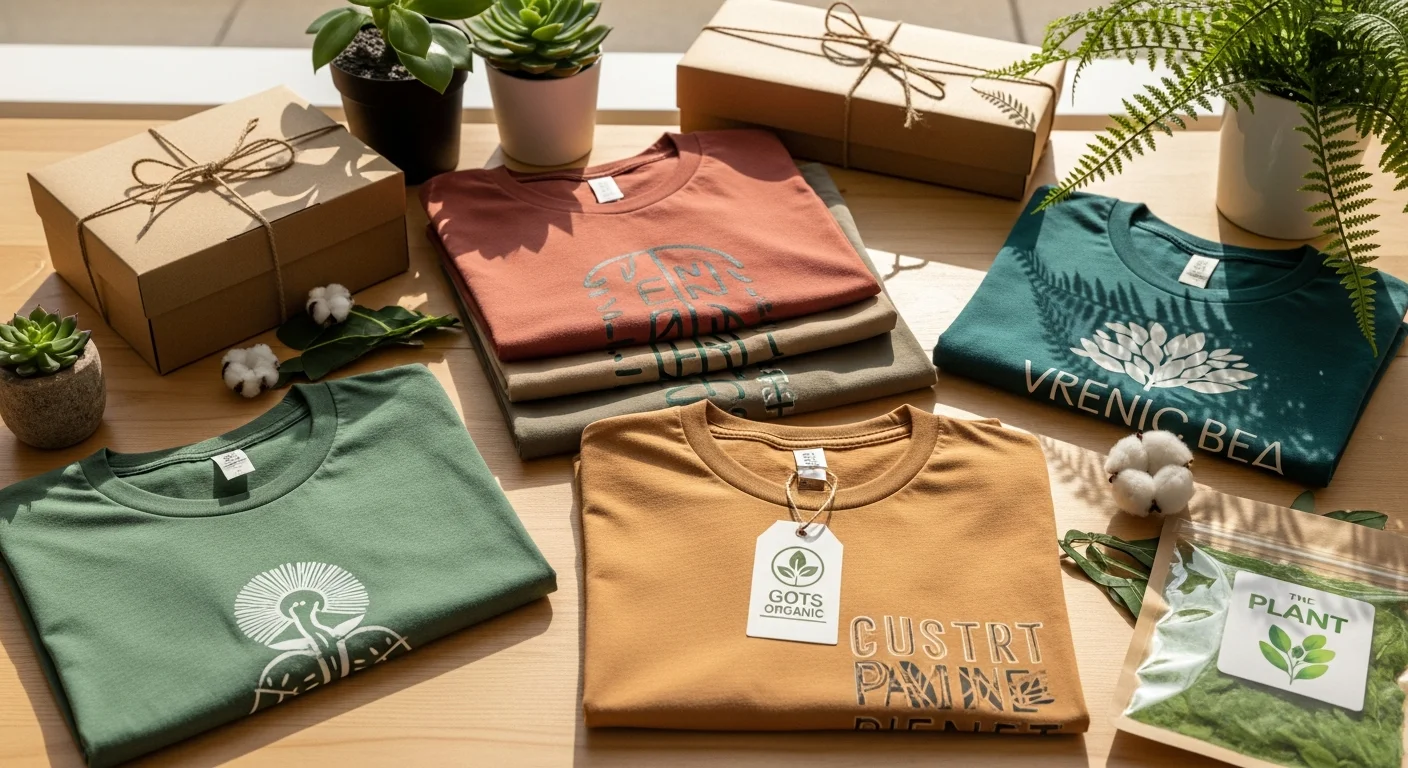
The custom apparel industry has a sustainability problem. Traditional t-shirt production consumes enormous amounts of water, relies on pesticide-intensive cotton farming, and generates significant textile waste. But it does not have to be that way. A growing number of consumers, businesses, and organizations are demanding custom t-shirts that look great without costing the earth, and the industry is responding with genuinely sustainable alternatives.
This guide walks you through every dimension of eco-friendly custom apparel, from the fabrics and inks to the printing methods and shipping practices that minimize environmental impact. Whether you are a business looking to align your merchandise with your sustainability values, an event organizer who wants guilt-free group shirts, or an individual who simply wants a custom tee that does not contribute to fast fashion waste, this article gives you the knowledge to make informed choices.
The Environmental Impact of Fast Fashion vs Custom
The fast fashion model produces massive quantities of cheap clothing designed to be worn a few times and discarded. The average American throws away approximately 80 pounds of textiles annually, much of which ends up in landfills where synthetic fibers take hundreds of years to decompose. The fashion industry as a whole accounts for roughly ten percent of global carbon emissions and is the second-largest consumer of water worldwide.
Custom apparel flips this model. When you order a custom t-shirt, it is made to your specifications, often printed on demand, and created with intent. There is no overproduction, no warehouse full of unsold inventory destined for liquidation, and no pressure to discard clothing after a single season. A custom shirt designed with personal meaning, whether it represents a team, a cause, or a milestone, is inherently more valued and more likely to be kept and worn for years.
This fundamental difference makes custom printing an intrinsically more sustainable approach to apparel. But you can push the sustainability even further by choosing the right materials, inks, and production methods.
Organic Cotton: The Foundation of Sustainable Shirts

Conventional cotton is one of the most pesticide-intensive crops in the world. It accounts for roughly sixteen percent of global insecticide use despite occupying only 2.4 percent of arable land. Organic cotton, by contrast, is grown without synthetic pesticides, herbicides, or genetically modified seeds. It relies on natural pest management, crop rotation, and composting to maintain soil health.
The gold standard certification for organic cotton is GOTS (Global Organic Textile Standard). A GOTS-certified shirt guarantees that the cotton was organically grown and that the entire supply chain, from spinning to dyeing to sewing, meets strict environmental and labor criteria. When sourcing eco-friendly blanks, look for the GOTS label as your primary indicator of genuine organic credentials.
Organic cotton shirts feel slightly different from conventional ones. The fibers are often softer because they have not been chemically treated, and the fabric tends to have a more natural, slightly irregular texture that many people prefer. In terms of printability, organic cotton works beautifully with all standard printing methods including screen printing and DTG.
Recycled Polyester (rPET)
Recycled polyester, often labeled as rPET, is made from post-consumer plastic bottles. Approximately eight to twelve plastic bottles are recycled to create enough fiber for a single t-shirt. This process diverts plastic from landfills and oceans while using significantly less energy than producing virgin polyester from petroleum.
rPET shirts are moisture-wicking, durable, and quick-drying, making them an excellent choice for athletic wear, outdoor events, and activewear merchandise. Blends of organic cotton and recycled polyester combine the softness of natural fiber with the performance properties of synthetic fiber, creating a versatile shirt that works for both casual and active use.
The printing behavior of rPET is slightly different from pure cotton. DTG printing works well on rPET blends, though colors may appear slightly differently on synthetic fibers compared to natural ones. For detailed guidance on how different fabrics interact with printing methods, see our guide on fabric selection for custom printing.
Hemp and Bamboo Blends
Hemp and bamboo represent two emerging sustainable alternatives in the custom apparel space. Hemp is one of the most environmentally friendly crops on the planet. It requires minimal water, no pesticides, and actually improves soil health as it grows. Hemp fiber produces a durable, breathable fabric that softens with each wash and has natural antimicrobial properties.
Bamboo grows rapidly without chemical inputs and regenerates from its own roots, making it a highly renewable resource. Bamboo fabric is exceptionally soft, naturally moisture-wicking, and temperature-regulating. However, the processing of bamboo into fabric can involve chemical treatments, so look for mechanically processed bamboo or bamboo lyocell, which use closed-loop systems that recycle processing chemicals.
Both hemp and bamboo blends are becoming more widely available as blank shirt options. While they currently carry a premium over conventional cotton, growing demand is steadily bringing prices closer to parity.
Water-Based vs Plastisol Inks

The ink used in your custom print has a significant environmental footprint. Traditional plastisol inks are PVC-based and contain phthalates, chemicals that are potentially harmful to both workers and the environment. Plastisol produces a thick, durable print that sits on top of the fabric, but its environmental credentials are poor.
Water-based inks are the sustainable alternative. They use water as the carrier instead of PVC, contain no phthalates, and produce a softer print that soaks into the fabric fibers rather than sitting on top. The result is a more comfortable, breathable feel that many people prefer aesthetically. Water-based prints feel like they are part of the shirt rather than a layer on top of it.
Discharge inks are another eco-friendly option for dark garments. Instead of adding color on top of the fabric, discharge inks remove the garment's dye and replace it with a new color. This creates an incredibly soft print with zero hand feel because there is no ink layer at all. Discharge inks work best on one hundred percent cotton and produce vibrant results on dark shirts without the heavy feel of plastisol underbases.
DTG as a Lower-Waste Printing Method
Direct-to-garment (DTG) printing is inherently more sustainable than screen printing for several reasons. DTG uses water-based inks by default. There are no screens to produce, clean, or dispose of. Ink is applied only where the design requires it, minimizing waste. And because DTG has no setup costs, it is economically viable for small quantities, eliminating the pressure to overproduce.
For organizations committed to sustainability, DTG's ability to print on demand, one shirt at a time, aligns perfectly with a zero-waste philosophy. You only print what you need, when you need it, eliminating unsold inventory entirely. To understand how this compares to screen printing from both an environmental and cost perspective, read our screen printing vs DTG comparison.
Print-on-Demand: The Zero Overproduction Model
Print-on-demand (POD) takes DTG's low-waste advantage and scales it into a full business model. With POD, shirts are only printed after a customer places an order. There is no forecasting, no bulk inventory, and no end-of-season clearance sales dumping unsold shirts into landfills or discount bins.
This model is particularly powerful for sustainable merchandise programs. A nonprofit can sell eco-friendly shirts online without investing in inventory. A band can offer custom merch without risking overproduction. A company can distribute team shirts without ordering extras that collect dust in a storage closet. The environmental benefit is real and measurable: zero overproduction means zero textile waste from unsold goods.
For those interested in building a sustainable apparel brand, our guide on design trends for 2026 covers the growing consumer preference for sustainable and ethically produced merchandise.
Carbon Footprint of Shipping
Even the most sustainably produced shirt generates carbon emissions during shipping. Thoughtful logistics planning can minimize this impact. Consolidating orders to reduce the number of shipments, choosing ground shipping over air freight (which produces up to ten times more emissions per mile), and selecting printers located closer to your recipients all help reduce the carbon footprint of delivery.
Some printing partners offer carbon-neutral shipping by investing in offset programs that fund renewable energy, reforestation, or methane capture projects. While offsets are not a perfect solution, they represent a meaningful step toward net-zero logistics when combined with genuine emission reduction efforts.
Sustainable Packaging
The packaging your shirts arrive in matters too. Traditional apparel shipping relies on individual poly bags (single-use plastic) inside cardboard boxes stuffed with plastic air pillows or styrofoam peanuts. Each of these elements contributes to plastic pollution.
Sustainable alternatives include compostable mailers made from plant-based materials, recycled cardboard boxes with paper-based packing material, tissue paper wrap instead of individual poly bags, and soy-based or water-based inks on packaging materials. Ask your printing partner about their packaging options and opt for the most sustainable choice available. Many eco-conscious printers now offer sustainable packaging as a standard option or a low-cost upgrade.
Certifications to Look For
Navigating sustainability claims can be confusing. These third-party certifications cut through the greenwashing and provide reliable assurance that a product meets genuine environmental and ethical standards:
- GOTS (Global Organic Textile Standard): The most comprehensive certification for organic textiles. Covers everything from raw material production to manufacturing to labeling.
- OEKO-TEX Standard 100: Tests finished textile products for harmful substances. A product with this label has been tested for over 100 chemicals and found safe for human use.
- Fair Trade Certified: Ensures that workers throughout the supply chain receive fair wages and work in safe conditions. Primarily addresses the social dimension of sustainability.
- bluesign: Focuses on resource productivity, consumer safety, water emission standards, air emission standards, and occupational health and safety throughout the manufacturing process.
- B Corp Certification: For printing companies themselves, B Corp certification indicates a holistic commitment to social and environmental performance, transparency, and accountability.
Consumer Demand for Sustainable Merch
The shift toward sustainable custom apparel is not just an environmental imperative; it is a market reality. Studies consistently show that consumers, particularly millennials and Gen Z, are willing to pay more for products that align with their environmental values. A 2025 survey found that sixty-six percent of consumers consider sustainability when making a purchase, and that number rises to seventy-three percent among shoppers under thirty-five.
For businesses, offering eco-friendly custom t-shirts is both a values statement and a competitive advantage. Sustainable merchandise programs generate positive press, strengthen brand affinity among environmentally conscious consumers, and increasingly become an expectation rather than a differentiator.
Cost Comparison: Sustainable vs Conventional
Eco-friendly shirts do cost more than their conventional counterparts, but the premium is smaller than most people expect. Organic cotton blanks typically cost two to four dollars more per shirt than conventional cotton. Water-based inks add approximately fifty cents to one dollar per print compared to plastisol. Sustainable packaging adds roughly twenty-five to fifty cents per shipment.
For a typical order, the total premium for going sustainable is approximately three to six dollars per shirt. This cost can often be absorbed into existing budgets, passed along to customers who are willing to pay for quality and sustainability, or offset by the marketing value of a credible sustainability story. For more on managing costs, see our pricing and cost savings guide.
The bottom line is that sustainable custom apparel has never been more accessible, more affordable, or more in demand. Every choice you make, from fabric to ink to packaging, is an opportunity to reduce your environmental footprint while creating custom shirts that look and feel exceptional.
Frequently Asked Questions
Are organic cotton t-shirts as durable as conventional cotton?
Yes. Organic cotton t-shirts are just as durable as conventional cotton, and many users report that they actually feel softer and more comfortable. The difference is in how the cotton is grown, not in the fiber quality itself. Organic cotton fibers have the same strength and longevity as conventionally grown fibers. With proper care, an organic cotton custom t-shirt will maintain its shape, color, and print quality for years.
Do water-based inks last as long as plastisol inks?
Modern water-based inks are highly durable and can match plastisol longevity when properly cured. They typically withstand fifty or more wash cycles without significant fading or cracking. The key difference is the print feel: water-based inks produce a softer, more breathable print that integrates into the fabric, while plastisol sits on top of the fabric with a more noticeable hand feel. Many people prefer the soft feel of water-based prints for everyday wear.
How much more do eco-friendly custom t-shirts cost?
Expect a premium of approximately three to six dollars per shirt compared to conventional options. This includes the higher cost of organic or recycled blanks (two to four dollars more per unit), water-based inks (fifty cents to one dollar more per print), and sustainable packaging (twenty-five to fifty cents per shipment). For bulk orders, the per-unit premium decreases as volume discounts offset part of the additional material cost.
Is print-on-demand more sustainable than bulk ordering?
From a waste perspective, yes. Print-on-demand eliminates overproduction entirely because shirts are only printed when ordered. This means zero unsold inventory, zero end-of-season waste, and no need for warehousing. However, individual shipments from POD generate more packaging and shipping emissions per unit than consolidated bulk shipments. The most sustainable approach depends on your specific situation: POD is better for uncertain demand, while bulk ordering with accurate forecasting is more efficient for predictable quantities.
What certifications should I look for when ordering eco-friendly shirts?
GOTS (Global Organic Textile Standard) is the most comprehensive certification for organic textiles and should be your primary reference point. OEKO-TEX Standard 100 certifies that the finished product is free from harmful substances. Fair Trade Certified addresses labor practices in the supply chain. For a truly sustainable shirt, look for a combination of GOTS-certified fabric and a printer that uses water-based inks and sustainable packaging practices.
Share this article
Written by
Aisha Patel
Head of Materials Science & Sustainability at RareCustom. M.S. in Textile Engineering from NC State with AATCC certification and ISSP Sustainability Practitioner certification. 7+ years evaluating fabrics, materials, and eco-friendly production processes.