Custom Varsity Jackets: Complete Letterman Design Guide for Schools & Teams
Design the perfect custom varsity jacket with our complete letterman guide. Learn about wool vs leather sleeves, chenille letters, school colors, sizing, and bulk ordering tips for teams and schools.
Terrence Okafor
Head of Production at RareCustom. Terrence oversees varsity and letterman jacket production, ensuring chenille letters, leather sleeves, and wool bodies meet exacting quality standards.
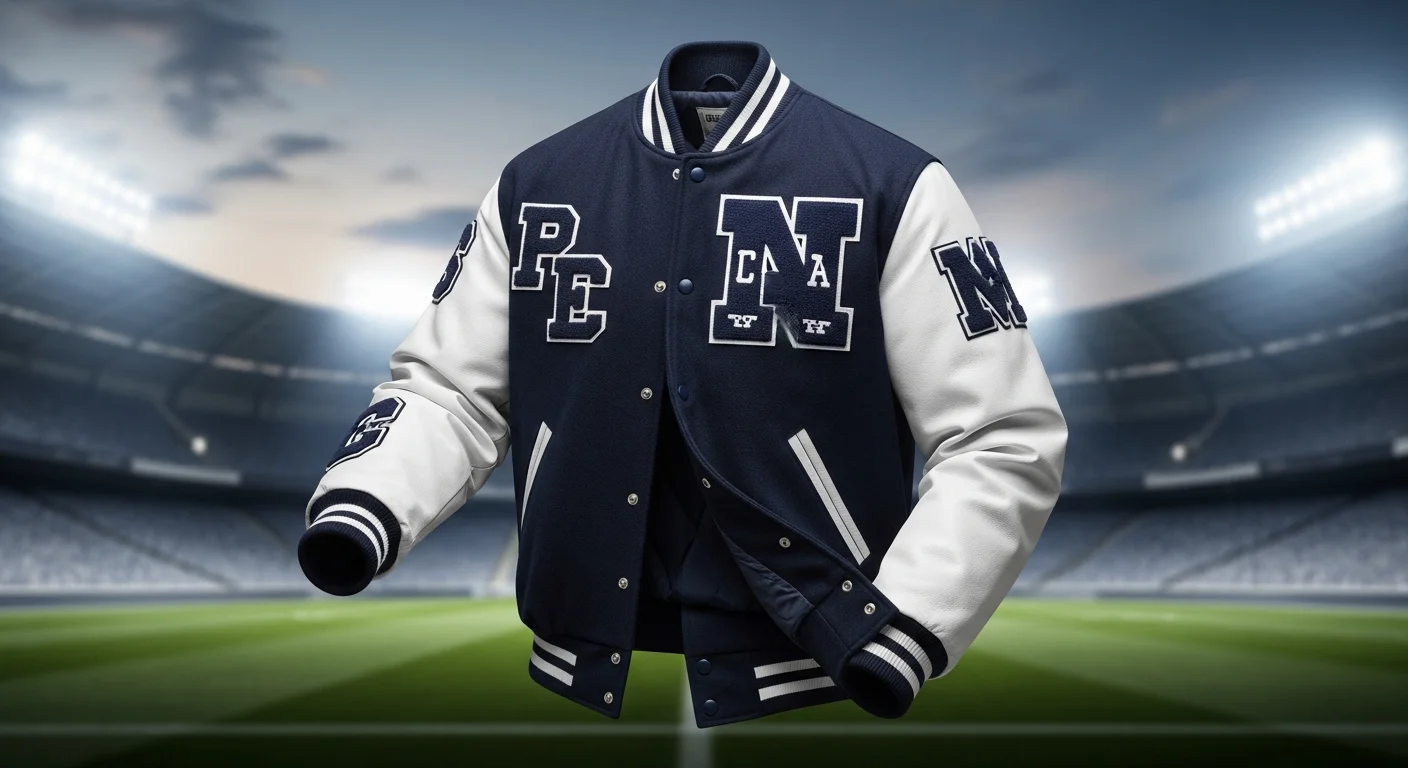
The varsity jacket is one of the most iconic garments in American fashion. Originally designed to celebrate athletic achievement, the custom varsity jacket has evolved far beyond the gymnasium and the football field. Today, schools, clubs, corporate teams, and fashion brands use letterman jackets to build identity, reward accomplishment, and create a lasting sense of belonging. Whether you are outfitting an entire high school athletic department or designing a single jacket to commemorate a personal milestone, this guide walks you through every decision — from fabric and color to chenille letters and sleeve embroidery — so your finished letterman looks and feels exactly the way you envision it.
A well-designed varsity jacket becomes a wearable trophy. Recipients wear them for years, often decades, making the design choices you make today visible for a very long time. That longevity is precisely why it pays to understand the construction details, customization options, and ordering logistics before you commit to a design.
What Makes a Varsity Jacket
A varsity jacket — also called a letterman jacket or letter jacket — is defined by distinctive design elements that have remained remarkably consistent since the 1860s when Harvard's baseball team first awarded felt letters to top players. The classic silhouette includes a wool body, contrasting leather or vinyl sleeves, snap-button front closure, ribbed knit collar, cuffs, and waistband in school colors, and welt pockets at the hip. The front left chest traditionally features the school or team initial as a large chenille letter, while the back often carries the school name, mascot, or a larger decorative patch.
What separates a varsity jacket from a regular bomber or baseball jacket is this combination of materials and trim details. The ribbed knit striping on the collar, cuffs, and hem is the signature visual element — it allows you to introduce accent colors that tie the jacket to a specific team or institution. The snap-button closure (as opposed to a zipper) is another hallmark. These design conventions are so deeply ingrained in popular culture that even fashion-forward streetwear brands preserve them when creating their own interpretations.
Wool Body vs Leather Sleeves vs All-Wool Options
The most significant material decision is what combination of fabrics to use for the body and sleeves. Each option affects appearance, durability, comfort, and price differently:
Wool body with genuine leather sleeves: This is the premium, traditional configuration. The melton wool body provides warmth, structure, and excellent color saturation. Genuine cowhide leather sleeves add durability and a luxurious look that improves with age as the leather develops a natural patina. This combination is the most expensive option, typically adding fifteen to twenty-five dollars per jacket compared to all-wool, but the quality difference is immediately visible and tactile.
Wool body with faux leather (vinyl) sleeves: A budget-friendly alternative that closely mimics the look of genuine leather at a fraction of the cost. Modern vinyl materials have improved dramatically in texture and appearance. For large team jacket orders where budget is a primary concern, faux leather sleeves deliver the classic two-tone varsity look without the premium price. The trade-off is longevity — vinyl can crack or peel after several years of heavy wear, whereas genuine leather lasts decades.
All-wool construction: Both the body and sleeves are made from melton wool in matching or contrasting colors. This creates a softer, more uniform look that some schools and organizations prefer for its understated elegance. All-wool jackets are lighter weight than leather-sleeve versions, making them more comfortable in transitional weather.

Chenille Letters and Patches Explained
Chenille is the defining decorative element of a varsity jacket. The word "chenille" comes from the French word for caterpillar, describing the fuzzy, textured yarn used to create the raised letter or patch. Chenille letters have a three-dimensional quality that screen printing and standard embroidery cannot replicate — they literally stand up from the jacket surface, creating a tactile badge of honor.
A standard chenille letter starts with a felt backing cut to the letter shape, then is covered with rows of chenille yarn stitched in tight loops. The result is a thick, plush letter that feels substantial when you run your hand across it. Letters typically range from six to eight inches tall for front chest placement.
Single-color chenille: The letter is one solid color against the felt backing. Classic and clean, this is the most common choice for traditional school letterman jackets.
Two-tone chenille: The letter features one color with a contrasting border or shadow effect. This adds depth and visual interest, making the letter pop against the wool body.
Custom-shape chenille patches: Beyond letters, chenille can be crafted into mascot shapes, year numerals, championship stars, and specialty awards. These custom shapes allow you to tell a detailed story on the jacket. For a deep dive into all patch types and placement strategies, read our guide on custom patches for jackets.

How to Choose School or Team Colors
Color selection is one of the most visible decisions in varsity jacket design. The body color, sleeve color, and knit trim colors should work together to represent the school or team identity while also looking sharp as a standalone garment:
Match official Pantone or PMS colors: Schools and organizations typically have official color specifications documented in brand guides. Request the exact Pantone Matching System (PMS) numbers to ensure the wool, leather or vinyl, and knit trim are all produced in the correct shades. A navy blue that is slightly too bright or a red that leans too orange will look off to anyone familiar with the school's branding.
Contrast between body and sleeves: The two-tone body-and-sleeve combination is what gives varsity jackets their distinctive look. Choose colors with enough contrast to make the two sections visually distinct. Dark body with white or cream sleeves is the most classic combination.
Knit trim striping: The ribbed collar, cuffs, and waistband offer an opportunity to introduce a third accent color through striping. A typical pattern is two stripes of the primary color separated by one stripe of the accent color. This striping detail is subtle but powerful — it ties the entire color scheme together.
Use our online design tool to preview different color combinations on a virtual jacket model before committing to production. Seeing the colors together on screen helps you catch combinations that look great in theory but clash in practice.

Sizing Guide for Varsity Jackets
Varsity jackets are designed to fit with a slightly relaxed, athletic cut that allows layering underneath. They should not be skin-tight, but they also should not be so oversized that the shoulder seams drop below the natural shoulder line. Getting sizing right is especially important for team orders where you are fitting dozens of individuals across a wide range of body types.
Key measurements: Chest circumference is the primary sizing metric. Measure around the fullest part of the chest with arms relaxed at the sides. Sleeve length matters more than in many other garments because the contrasting sleeve color makes any length discrepancy highly visible.
Youth vs adult sizing: Youth varsity jackets typically run from size YS (youth small, chest 30-32 inches) through YXL (youth extra-large, chest 38-40 inches). Adult sizes run from S (chest 36-38 inches) through 3XL (chest 54-56 inches). For teams spanning youth and adult age groups, plan to order from both size ranges and consider ordering sample jackets for try-on before committing to the full order.
Collecting sizes efficiently: For large group orders, create a shared spreadsheet or online form where each team member can enter their chest measurement, preferred fit, and sleeve length. Having this data organized before placing the order prevents costly exchanges and delays. Our team jackets guide includes detailed sizing collection strategies for large groups.
Customization Options: Front, Back, and Sleeve
A varsity jacket is a canvas with multiple distinct zones for personalization. Each zone has conventions and practical considerations:
Front left chest: The traditional home of the chenille school or team letter. The letter is typically six to eight inches tall. Additional small chenille patches (sport icons, year numerals, award stars) can be arranged around the main letter.
Front right chest: Often left clean or used for a small embroidered name, nickname, or jersey number. Some designs place a second smaller patch or embroidered team logo here for a balanced look.
Back panel: The largest decoration zone. Options range from a large chenille school name arced across the upper back, to a full-back embroidered mascot, to a printed graphic. For custom jackets intended as fashion pieces rather than athletic awards, the back panel is prime real estate for bold graphic designs or oversized patches.
Sleeves: Sleeve decoration varies by material. Leather sleeves accept sewn-on patches and embroidery. Wool sleeves can be directly embroidered or screen printed. Common sleeve decorations include championship year patches, captain stripes, and small logo patches. For more on decoration methods and how they interact with different jacket materials, see our guide to custom jacket decoration techniques.
Design Tips for the Perfect Letterman
Designing a varsity jacket that looks polished and cohesive requires balancing tradition with personal expression:
Less is more on the front: The front of a varsity jacket should be clean and uncluttered. The chenille letter is the star — do not compete with it by adding too many additional patches or embroidery elements. One letter, one or two small accent patches, and optionally a name on the right chest is ideal.
Reserve detail for the back: If you want to go big with graphics, text, or elaborate embroidery, the back panel is the place. The large, flat surface accommodates complex designs without the visual interruption of seams, pockets, or snap buttons.
Keep font choices consistent: If you use text in multiple locations (front name, back school name, sleeve patches), use the same font family throughout. A classic serif or bold block font works best for the varsity aesthetic.
Test colors on fabric swatches: Colors look different on screen than they do on wool, leather, and chenille. Request physical fabric swatches before finalizing your design, especially for large orders.

Ordering for Schools and Teams: Bulk Pricing
Bulk ordering is where custom varsity jackets become significantly more affordable on a per-unit basis. Most manufacturers offer tiered pricing that rewards larger quantities:
Quantity tiers: A single custom varsity jacket might cost between one hundred and one hundred eighty dollars depending on materials and decoration complexity. Orders of twenty-five or more typically reduce the per-unit cost by fifteen to twenty percent. Orders of fifty or more can achieve twenty-five to thirty percent savings.
Timeline planning: Custom varsity jackets with chenille lettering require four to six weeks of production time after artwork approval. Add one to two weeks for shipping. For school athletic seasons, this means placing orders at least two months before the intended distribution date.
Artwork approval process: Most manufacturers provide a digital proof showing the jacket layout, colors, and decoration placement before production begins. Review this proof carefully with your team or school administrators. Pair your jackets with matching custom jerseys for a complete team look that reinforces brand identity across all gear.
Payment options: Many suppliers offer split payment plans for school orders, allowing the school to collect individual payments from students and families. Some programs let students order and pay individually through a team store portal.
Care and Maintenance
A varsity jacket is an investment, and proper care extends its lifespan from years to decades. The combination of wool and leather requires thoughtful maintenance:
Dry clean only for wool bodies: Melton wool should not be machine washed or submerged in water. Dry cleaning preserves the wool's texture, color, and shape. Plan to dry clean your jacket once or twice per season.
Spot clean leather sleeves: Wipe genuine leather sleeves with a damp cloth to remove surface dirt. Apply a leather conditioner every three to six months to prevent drying and cracking.
Store properly: Hang your varsity jacket on a wide, padded hanger to maintain shoulder shape. Avoid wire hangers, which can create creases. Store in a breathable garment bag — never plastic, which traps moisture.
Protect chenille patches: When dry cleaning, inform the cleaner about the chenille lettering so they handle it appropriately. Chenille is durable but can lose its plush texture if exposed to excessive heat or aggressive pressing.
The custom varsity jacket remains one of the most meaningful forms of personalized apparel. From high school athletes earning their first letter to corporate teams building company culture, the letterman jacket carries a weight of tradition and pride that few other garments can match. Ready to start designing? Head to our design studio to build your letterman jacket from scratch, or explore our patches guide to plan your chenille letter and patch layout before you begin.
Share this article
Written by
Terrence Okafor
Head of Production at RareCustom. Terrence oversees varsity and letterman jacket production, ensuring chenille letters, leather sleeves, and wool bodies meet exacting quality standards.