How to Start a Custom Pillow Business: Print-on-Demand Guide for 2026
Learn how to launch a profitable custom pillow business using print-on-demand. Covers profit margins, platform selection, supplier choices, niche trends, marketing strategies, and scaling tips for 2026.
Marcus Chen
E-Commerce Growth & Merchandising Lead at RareCustom. Marcus advises entrepreneurs on launching profitable custom pillow businesses using print-on-demand platforms and smart niche strategies.
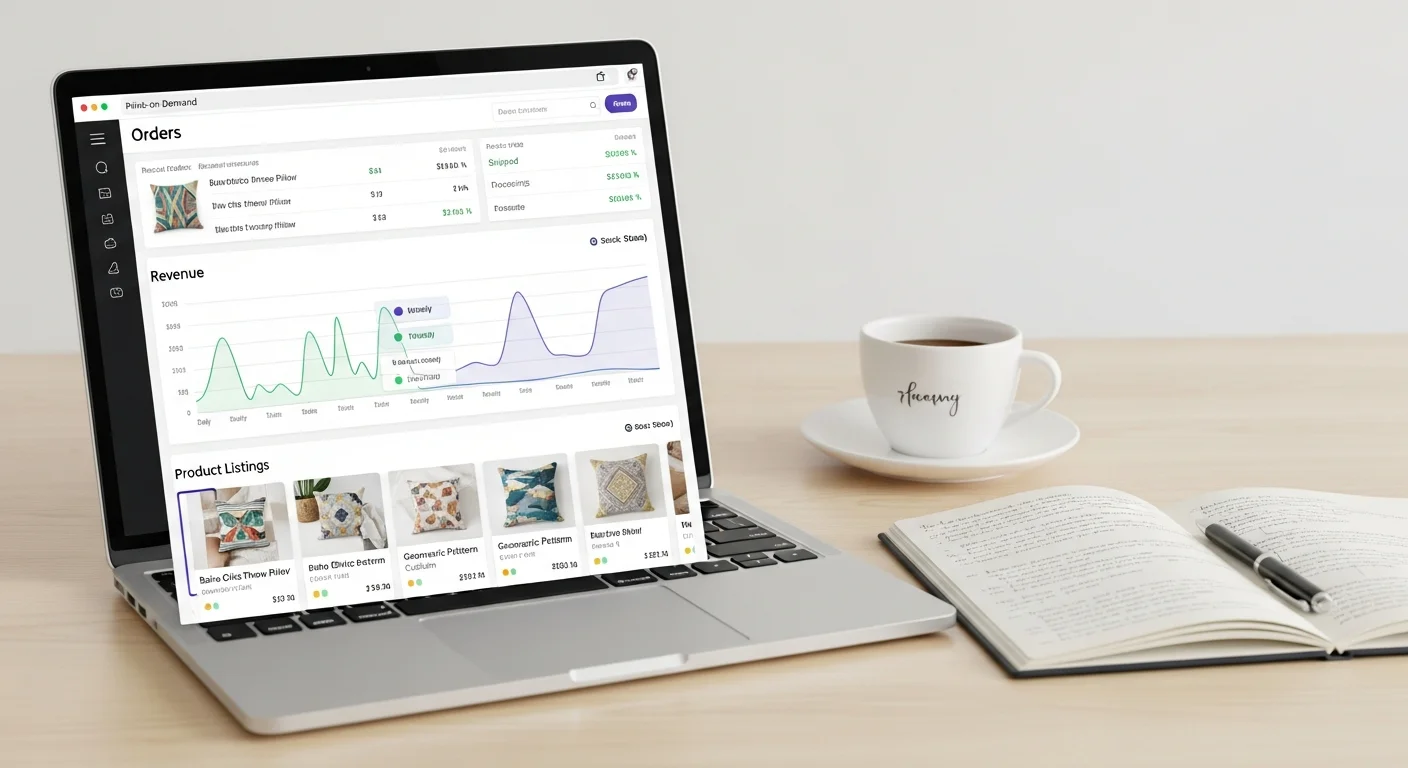
The custom home decor market is booming, and personalized pillows sit at the intersection of two powerful consumer trends: the desire for unique, meaningful home accessories and the gift economy's shift toward personalized products. Starting a custom pillow business using print-on-demand (POD) allows you to enter this market with virtually zero upfront inventory investment. You design the pillows, a POD supplier prints and ships them, and you keep the profit margin on every sale.
This guide walks you through everything you need to know to launch and grow a custom pillow business in 2026, from choosing your niche and supplier to setting up your online store and scaling beyond a side hustle. Whether you are an artist looking to monetize your designs or an entrepreneur searching for a low-risk product category, custom pillows offer a compelling business opportunity.
Why Custom Pillows Are a Great POD Product
Not all products work well in the print-on-demand model. Custom pillows check every box that makes a POD product viable and profitable.
High perceived value, low production cost: Consumers associate decorative pillows with home furnishing stores where similar items sell for $40-80. A custom, personalized pillow feels even more premium than a mass-produced retail pillow. Meanwhile, POD production costs for a standard 18x18 pillow range from $8-15 depending on the supplier, leaving room for healthy margins.
Emotional purchase decision: Pillows are often bought as gifts — for birthdays, holidays, weddings, pet memorials, and anniversaries. Gift buyers make purchasing decisions based on emotional connection rather than price comparison, which means they are less likely to shop around for the cheapest option and more likely to pay full price for a design that resonates.
Repeat and seasonal demand: Pillow purchases spike during gift-giving seasons (Christmas, Valentine's Day, Mother's Day, Father's Day) and life events (weddings, baby showers, housewarmings). This predictable demand cycle allows you to plan inventory, marketing, and promotions around known peaks.
Low return rates: Custom pillows have some of the lowest return rates in e-commerce because each item is made to order for a specific customer. Buyers who personalize a product with their own photos, names, or designs rarely return it — the emotional attachment to the personalization makes returns psychologically difficult.
Lightweight and shippable: Standard throw pillows weigh 1-2 pounds, keeping shipping costs manageable. They are not fragile, so there is minimal risk of transit damage compared to ceramics, glass, or electronics. This translates to fewer customer complaints and lower replacement costs.
Profit Margins for Custom Pillows
Understanding your profit margins is essential for pricing your products correctly and building a sustainable business. Here is a realistic breakdown for custom pillow sales in 2026:
Production cost (POD supplier): $8-15 per pillow, depending on size, fabric, and print method. Standard 18x18 polyester pillows from major POD suppliers cost $9-12. Premium options (velvet, canvas, larger sizes) run $12-18.
Typical retail price: $25-45 for standard custom pillows. Premium, niche, or high-design pillows can command $40-65. Pet memorial pillows and wedding pillows consistently sell at the higher end because of their emotional value.
Gross margin per pillow: $12-30 per unit, representing a 45-65% gross margin. This is significantly higher than many POD products like t-shirts (30-45% margins) or mugs (35-50% margins).
Platform fees: Etsy charges approximately 6.5% in transaction and payment processing fees. Shopify charges $39/month plus 2.9% + $0.30 per transaction. Amazon Merch takes a larger cut but provides massive traffic. Factor these fees into your pricing to protect your net margin.
Marketing costs: Budget 15-25% of revenue for advertising in the first year. As organic traffic and repeat customers grow, marketing costs typically decrease to 10-15% of revenue. Facebook/Instagram ads and Pinterest promoted pins are the most effective channels for custom pillow businesses.

Setting Up Your Pillow Business: Etsy, Shopify, and Amazon
Each e-commerce platform offers different advantages for custom pillow sellers. Many successful sellers use multiple platforms simultaneously to maximize reach.
Etsy — Best for getting started: Etsy's built-in audience of gift buyers and home decor shoppers provides immediate access to millions of potential customers without spending money on advertising. Listing fees are $0.20 per item, and transaction fees total approximately 6.5%. Etsy rewards shops that post new listings regularly and respond to customer inquiries quickly. Start with 20-30 pillow designs and add 5-10 new listings per week to build momentum.
Shopify — Best for building a brand: Shopify gives you complete control over your store's branding, design, and customer experience. Monthly plans start at $39 and include a custom domain, professional storefront, and powerful analytics. Shopify integrates directly with most POD suppliers through apps like Printful, Printify, and Gooten, automating the entire order fulfillment process. Best for sellers who want to build a recognizable brand rather than compete in a marketplace.
Amazon Merch on Demand — Best for volume: Amazon's massive customer base and Prime shipping infrastructure provide unmatched reach. You upload designs, set prices, and Amazon handles production, shipping, and customer service. The trade-off is lower margins (Amazon takes a larger percentage) and less control over branding. Best for sellers with proven designs who want to scale volume quickly.
Multi-platform strategy: The most successful custom pillow sellers list on Etsy for organic discovery, maintain a Shopify store for brand-building and direct traffic, and use Amazon for volume. Start with one platform, establish processes, then expand to others once you are comfortable with the workflow.

Choosing a Print-on-Demand Supplier
Your POD supplier directly affects your product quality, shipping speed, and customer satisfaction. Evaluate suppliers on these critical factors:
Print quality: Order samples from 2-3 suppliers before committing. Compare color accuracy, print sharpness, fabric quality, and stitching. The difference between a mediocre and excellent supplier is immediately visible and directly impacts your reviews and repeat business.
Product range: Look for suppliers offering multiple pillow sizes (at minimum 16x16, 18x18, 20x20), multiple fabrics (polyester, canvas, linen blend), and options for both cover-only and pillow-with-insert. The more options you can offer customers, the more sales opportunities you create.
Shipping speed and reliability: Production time (typically 2-5 business days) plus shipping time determines when customers receive their orders. Choose suppliers with production facilities close to your primary market. Domestic suppliers offer faster shipping but may cost more per unit. Balance speed and cost based on your customer expectations. For more on printing techniques, see our printing methods guide.
Integration with your platform: Seamless integration between your store and POD supplier is essential for automation. When a customer places an order, it should automatically flow to the supplier for production without manual intervention. Check that your supplier integrates with your chosen e-commerce platform.
Designing Pillows That Sell: Niches and Trends
The custom pillow market is large, but succeeding requires focusing on specific niches where you can stand out from generic competition. Here are the most profitable pillow niches in 2026:
Pet portraits and memorials: Pet owners are among the most passionate and spending-willing customer segments in custom products. Dog and cat portrait pillows, pet memorial pillows, and breed-specific designs consistently rank as top sellers. Pet pillows command premium pricing ($30-50) because of the emotional value attached to beloved animals.
Couple and family pillows: His-and-hers sets, family name pillows, and custom photo family pillows perform well year-round with spikes during holidays and wedding season. These designs benefit from repeat orders as customers return for gifts for friends and family.
Nursery and baby decor: Custom baby name pillows, birth stat pillows, and nursery theme pillows tap into the lucrative baby market. New parents and gift-giving grandparents, aunts, and friends drive consistent demand in this niche.
Motivational and quote pillows: Typography-focused designs featuring inspirational quotes, funny sayings, and pop culture references appeal to a broad audience. These designs are inexpensive to create (no photo licensing needed) and can be produced rapidly to capitalize on trends.
Seasonal and holiday pillows: Christmas, Halloween, fall harvest, and spring designs sell in predictable cycles. Create collections 2-3 months before each season to capture early shoppers. Seasonal pillows are often impulse purchases and gift add-ons.

Marketing Your Custom Pillow Brand
Creating great pillow designs is only half the equation — you need effective marketing to drive traffic and convert browsers into buyers. Here are the most effective marketing channels for custom pillow businesses:
Pinterest — Your highest ROI channel: Pinterest is essentially a visual search engine, and home decor is one of its most active categories. Create pins for every pillow design showing the product styled in a real room setting. Use descriptive, keyword-rich pin titles and descriptions. Pinterest traffic converts at higher rates than most social platforms because users are actively searching for products to buy, not just browsing passively.
Instagram — Brand building and social proof: Share customer photos (with permission), behind-the-scenes design process content, styling tips, and seasonal collections. Instagram Stories and Reels drive engagement and keep your brand top of mind. Use relevant hashtags like #custompillows, #personalizedgifts, #homedecor, and niche-specific tags for each product category.
Facebook and Instagram ads — Targeted reach: Run ads targeting gift buyers during peak seasons (Valentine's Day, Mother's Day, Christmas) and life event audiences (recently engaged, new parents, new homeowners). Use carousel ads showing multiple pillow designs and retarget website visitors who did not complete a purchase. Start with a $10-20 daily budget and scale based on return on ad spend.
SEO and content marketing: Write blog posts about pillow styling tips, gift guides, room decor ideas, and seasonal trends. These posts attract organic search traffic from potential customers researching gift ideas or home decor inspiration. Optimize product titles and descriptions with relevant keywords that customers actually search for.
Email marketing — Repeat sales engine: Build an email list from day one. Send new product announcements, seasonal collections, flash sales, and personalized recommendations based on past purchases. Email marketing consistently delivers the highest ROI of any digital marketing channel for e-commerce businesses.
Scaling from Side Hustle to Full Business
Many custom pillow businesses start as side projects that grow into full-time income streams. Scaling requires strategic decisions at each growth stage.
Phase 1 — Validation (Months 1-3): List 20-50 designs on your chosen platform. Test different niches, price points, and design styles. Track which products sell and which get the most views but fewest conversions. Use this data to double down on winning categories and eliminate underperformers. Target: 5-15 sales per month.
Phase 2 — Optimization (Months 4-8): Expand your winning product lines to 100+ listings. Improve product photography and descriptions based on customer feedback. Implement basic advertising on Pinterest and Facebook. Start building an email list. Target: 30-60 sales per month.
Phase 3 — Growth (Months 9-14): Add a second sales platform (e.g., add Shopify if you started on Etsy). Invest in professional product photography and lifestyle mockups. Scale advertising to 15-20% of revenue. Hire a virtual assistant for customer service. Target: 80-150 sales per month.
Phase 4 — Scale (Month 15+): Consider private label options with your POD supplier for faster production and lower per-unit costs. Expand to wholesale and B2B sales for corporate clients, event planners, and interior designers. Develop branded packaging and unboxing experiences. Target: 200+ sales per month. For wholesale and corporate opportunities, explore our business branding pillows guide.

Common Mistakes New Pillow Sellers Make
Learning from others' mistakes saves you time, money, and frustration. Here are the most common pitfalls that trip up new custom pillow entrepreneurs:
Pricing too low: New sellers often underprice their products to compete on price, destroying their margins. A custom, personalized pillow is a premium product — price it accordingly. Customers who buy custom products are willing to pay for quality and personalization. Race-to-the-bottom pricing attracts bargain hunters who leave poor reviews and never return.
Spreading too thin across niches: Trying to sell pet pillows, wedding pillows, sports pillows, corporate pillows, and seasonal pillows simultaneously dilutes your marketing and brand identity. Start with one or two focused niches, dominate those categories, then expand strategically. For tips on keeping costs down as you grow, read our budget custom pillows guide.
Neglecting product photography: Your pillow photos are your storefront. Low-quality photos — poor lighting, cluttered backgrounds, inaccurate colors — kill conversions. Invest in professional mockups or styled product photography early. Most POD suppliers provide free mockup generators, but custom lifestyle photography significantly outperforms generic mockups.
Ignoring customer reviews: Reviews are social proof that drives future sales. Actively encourage satisfied customers to leave reviews. Respond to negative reviews professionally and offer solutions. A store with 50+ reviews averaging 4.5+ stars converts at dramatically higher rates than a store with few or no reviews.
Not testing print quality: Always order samples of your products before selling them to customers. What looks great on screen may print differently on fabric. Check color accuracy, print sharpness, fabric quality, and overall construction. Selling a product you have never physically held is a recipe for quality complaints and returns.
Underestimating seasonal planning: Custom products require lead time for design creation, listing optimization, and advertising warm-up. Start preparing your Christmas collection by September, Valentine's Day designs by December, and Mother's Day products by March. Late entry into seasonal markets means competing against established sellers with existing reviews and advertising data.
Ready to launch your custom pillow business? Start by designing your first product line using our free design tool, order samples to verify quality, and list your products on your chosen platform. With RareCustom print-on-demand services, you can build a profitable pillow business with zero upfront inventory investment and full creative control over your product line.
Share this article
Written by
Marcus Chen
E-Commerce Growth & Merchandising Lead at RareCustom. Marcus advises entrepreneurs on launching profitable custom pillow businesses using print-on-demand platforms and smart niche strategies.