How to Start a Custom Sweatshirt Brand with Print-on-Demand in 2026
Launch your own custom sweatshirt brand using print-on-demand in 2026. Step-by-step guide covering niche selection, design, POD suppliers, pricing, and marketing.
Natalie Voss
Founder & CEO of RareCustom. MBA from Stanford with 8 years in e-commerce operations. Natalie shares business strategy insights for aspiring custom sweatshirt brand owners.
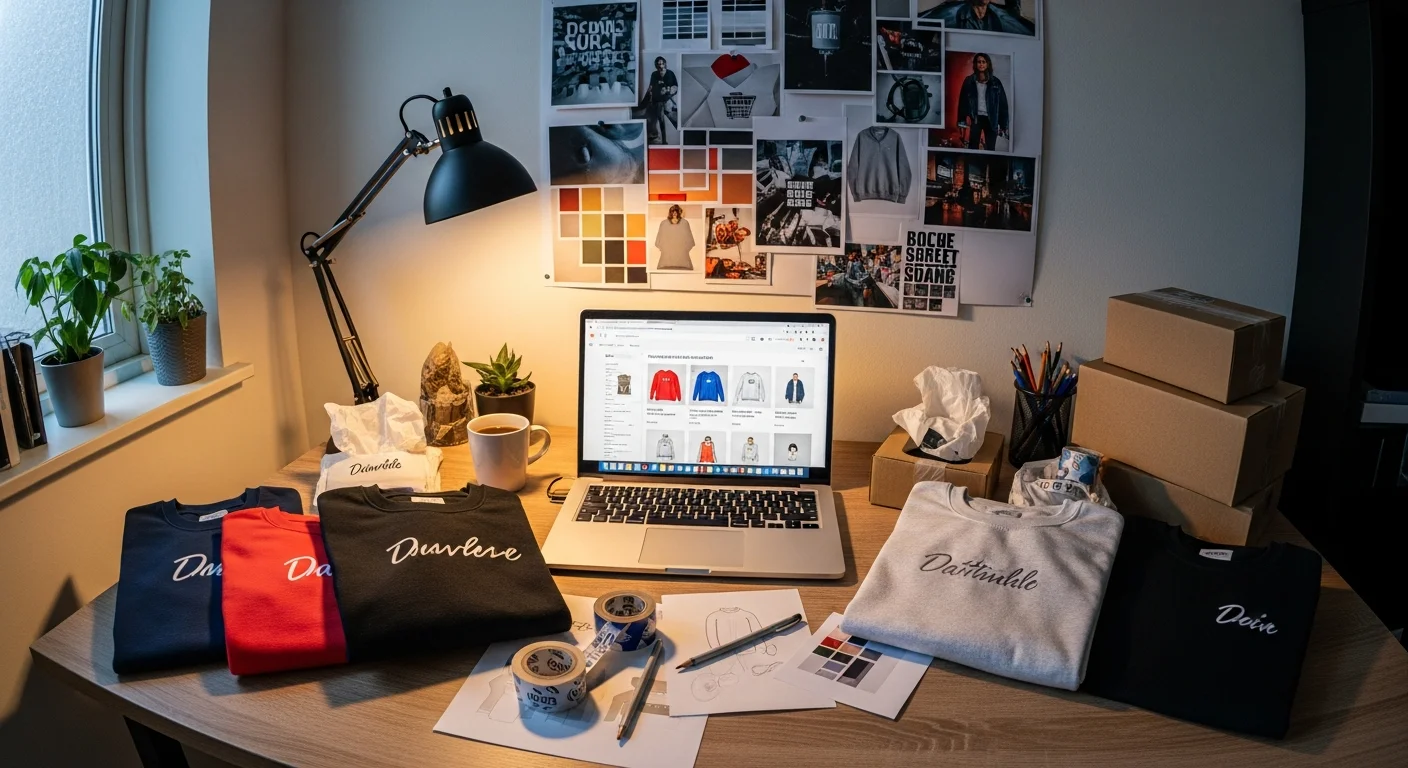
Starting a custom sweatshirt brand has never been more accessible. Print-on-demand eliminates the need for inventory, upfront manufacturing costs, and warehouse space. You design, a supplier prints and ships when a customer orders, and you keep the profit margin. In 2026, the custom apparel market continues to grow, and crewneck sweatshirts are one of the strongest product categories for new brands entering the space.
This guide walks through every step from finding your niche to launching your first collection, with practical advice on avoiding the pitfalls that sink most new apparel brands before they gain traction.
Why Crewnecks Are a Strong Entry Point
Crewneck sweatshirts sit in a pricing sweet spot for new brands. They command higher prices than t-shirts (thirty to sixty dollars retail is standard) while costing less to produce than hoodies. The profit margin per unit is typically higher, and the perceived value of a well-designed crewneck encourages repeat purchases. Compared to the crowded custom t-shirt market, crewnecks face less competition while attracting buyers willing to spend more.
Step 1: Define Your Niche and Target Audience
Generic "cool designs on sweatshirts" is not a brand. Successful custom sweatshirt brands serve a specific audience with a clear identity. Outdoor enthusiasts, plant parents, healthcare workers, dog breeds, yoga practitioners, book lovers, specific music genres. The more specific your niche, the easier it is to find and connect with your audience, and the more loyal they become.
Research your niche by joining relevant online communities, analyzing competitors, and identifying gaps in what is currently available. Your crewneck designs should feel like they were made specifically for your audience, not adapted from generic templates.
Step 2: Create a Cohesive Brand Identity
Your brand identity includes your logo, color palette, typography, voice, and visual style. These elements should be consistent across your website, social media, packaging inserts, and the sweatshirts themselves. A cohesive brand feels professional and trustworthy, which matters enormously when asking people to buy apparel online without trying it on first.
Invest time in getting your brand identity right before designing your first crewneck. A strong brand elevates every design you release, while a weak or inconsistent brand undermines even great designs.

Step 3: Design Your Initial Collection
Start with three to five designs that represent your brand's range. Include at least one bold graphic design, one minimalist option, and one text-based design. This variety lets you test which styles resonate most with your audience. Use our 2026 trends guide for current design inspiration.
Every design should look intentional on a crewneck, not like a graphic that was designed for a poster and shrunk to fit a garment. Think about how the design interacts with the neckline, how it looks when the sweatshirt is folded, and how it photographs for your online store.
Step 4: Choose Your POD Supplier
The three major print-on-demand suppliers for custom sweatshirts are Printful, Printify, and Prodigi. Each has different blank options, print quality, pricing, and shipping speeds. Order samples from all three before committing. The print quality and fabric feel vary significantly, and your customers will judge your brand by the physical product they receive.
Key evaluation criteria include print quality on fleece, available blank brands and colors, production time, shipping reliability, and per-unit cost at your target retail price point.
Step 5: Set Up Your Online Store
Your store is your storefront. Invest in high-quality product photography (mockups are acceptable for launch but real photos convert better), compelling product descriptions that speak your audience's language, and a streamlined checkout process. Make sizing information prominent and easy to understand to reduce returns and customer service inquiries.

Step 6: Price for Profit
Use this formula: base cost (blank plus printing plus shipping to customer) multiplied by two to two-and-a-half equals your retail price. If your POD cost per crewneck is twenty-two dollars including shipping, your retail price should be forty-four to fifty-five dollars. This margin covers marketing costs, transaction fees, and provides sustainable profit. For deeper pricing analysis, see our pricing breakdown.
Step 7: Marketing Launch Strategy
Launch with a combination of social media content (behind-the-scenes design process, lifestyle photos), targeted outreach to niche communities, email list building with a launch discount, and consideration of micro-influencer partnerships within your niche. Organic growth takes time, so be prepared to invest consistently for three to six months before expecting significant traction.
Scaling Beyond POD
Once you identify bestsellers, consider transitioning top designs to bulk production for better margins. A design that sells consistently at ten or more units per month justifies a bulk screen print or embroidery order, which can cut your per-unit cost by 40 to 60 percent. This hybrid model (POD for new and testing designs, bulk for proven sellers) is how most successful custom apparel brands scale. For parallel guidance on starting a hoodie brand, our companion guide covers hoodie-specific considerations.
Frequently Asked Questions
How much startup capital do I need?
With print-on-demand, you can launch for under 500 dollars, covering domain, store setup, sample orders, and initial marketing. Without POD, bulk ordering an initial collection of 50 to 100 crewnecks across designs and sizes typically requires 1,500 to 3,000 dollars.
Can I sell on Etsy and my own website simultaneously?
Yes, and you should. Etsy provides built-in search traffic from buyers already looking for custom apparel. Your own website builds long-term brand equity and avoids marketplace fees. Many successful brands start on Etsy and transition customers to their own store over time.
How do I handle returns on custom products?
Establish a clear return policy upfront. Most POD brands accept returns for manufacturing defects but not for buyer's remorse since each piece is made to order. Provide detailed sizing information and encourage customers to reference size charts before purchasing.
Share this article
Written by
Natalie Voss
Founder & CEO of RareCustom. MBA from Stanford with 8 years in e-commerce operations. Natalie shares business strategy insights for aspiring custom sweatshirt brand owners.