Custom Leather Jackets: Styles, Materials & What You Can Customize
Explore custom leather jacket styles from biker and racer to bomber and moto. Learn about genuine vs faux leather, customization methods like embossing and painting, sizing tips, and care advice.
Camille Dupont
Senior Designer at RareCustom. Camille guides customers through leather jacket customization options from embossing and painting to embroidery and patch placement.
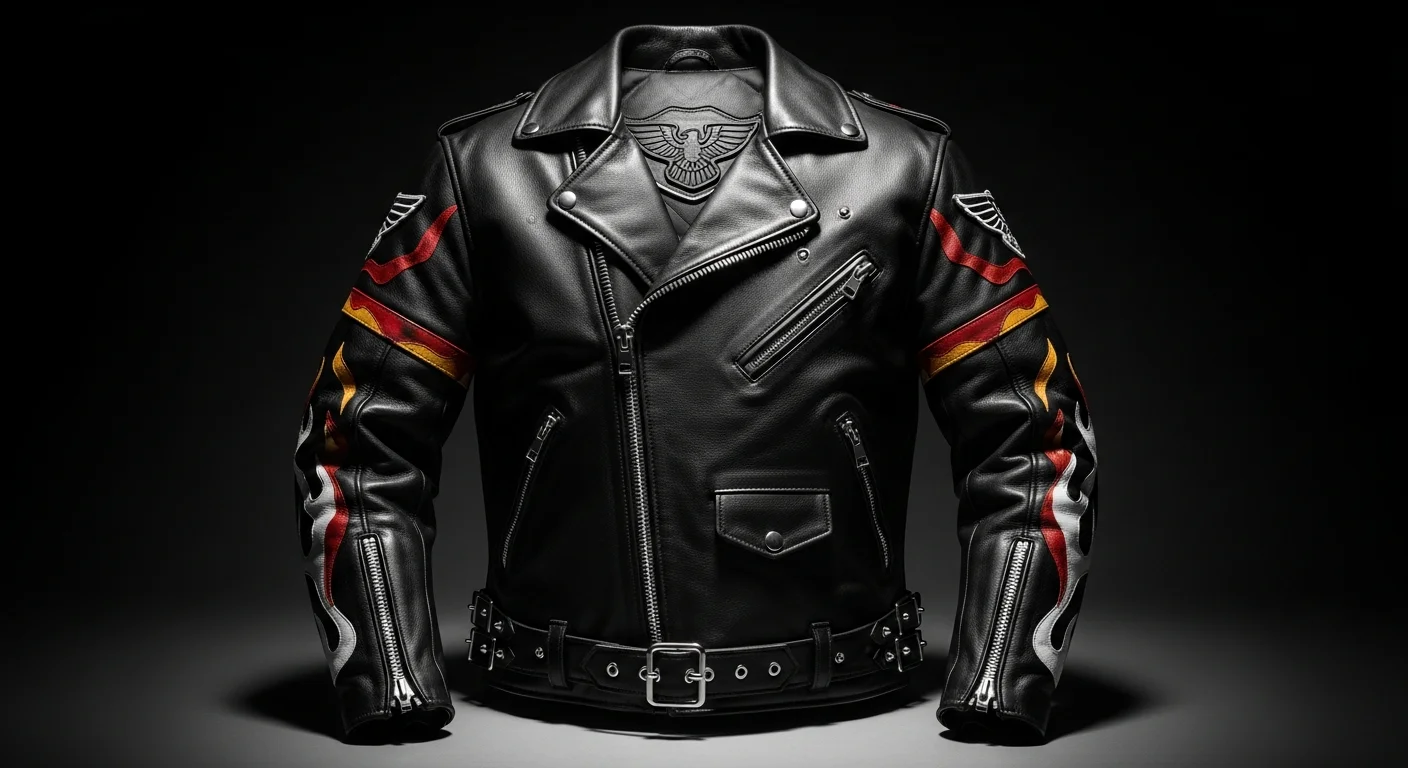
A leather jacket is more than outerwear — it is a statement. From the rebellious cool of a biker jacket to the streamlined elegance of a racer, leather jackets carry decades of cultural weight in every stitch. When you add customization to that foundation, the result is a one-of-a-kind garment that expresses your personality, represents your brand, or commemorates a milestone. Custom leather jackets allow you to choose the style, material, color, hardware, and decoration, transforming a classic silhouette into something uniquely yours.
Whether you are a motorcycle enthusiast who wants a riding jacket with your club's colors and logo, a fashion-forward individual looking for a perfectly fitted statement piece, or a brand owner creating a limited-edition jacket for your label, this guide covers every decision point from style selection through care and maintenance.
Types of Custom Leather Jackets
Leather jackets come in several distinct silhouettes, each with its own history, proportions, and intended use. Choosing the right base style is the first and most important decision:
Biker (asymmetric zip): The classic motorcycle jacket features a diagonal front zipper, wide lapels, a belted waist, and multiple zippered pockets. Originally designed by Schott in 1928, this style became an icon of rebellion through association with Marlon Brando and punk rock. Custom biker jackets can be modified with different lapel widths, belt configurations, and hardware finishes (nickel, brass, gunmetal, or matte black).
Racer (cafe racer): A minimalist style with a band collar, center front zipper, and clean lines. Racers sit closer to the body than bikers and have fewer external details. This stripped-down aesthetic makes racers versatile enough for both casual and semi-formal settings. Custom racers are popular for subtle personalization like embossed initials on the collar or a small embroidered logo.
Bomber: Inspired by military flight jackets, the leather bomber features a ribbed knit collar, cuffs, and hem with a relaxed fit through the body. The ribbed trim gives bombers a sporty, casual feel. Custom leather bombers work beautifully for group orders — motorcycle clubs, bands, and corporate teams — because the large, smooth back panel provides an ideal canvas for embroidered or painted designs.
Moto (motorcycle touring): Purpose-built for riding, moto jackets prioritize function with features like armor pockets at the shoulders, elbows, and back, pre-curved sleeves, reflective piping, and ventilation zippers. Custom moto jackets balance safety with style, allowing riders to add personal branding without compromising protective features.

Genuine Leather vs Faux Leather vs PU
The material you choose fundamentally affects the jacket's appearance, feel, durability, and price:
Genuine leather (cowhide, lambskin, goatskin): Real leather is the gold standard. Cowhide is thick, structured, and resistant to abrasion — the preferred choice for biker and moto jackets. Lambskin is softer, thinner, and more supple, ideal for fashion-oriented pieces. Goatskin splits the difference — lighter than cowhide but more durable than lambskin, with a distinctive pebbled grain texture.
Faux leather (synthetic): Modern faux leather can be difficult to distinguish from genuine leather visually, though the feel and aging behavior differ. Faux leather does not develop a patina and can crack after two to four years. The major advantages are lower cost (forty to sixty percent less than genuine leather) and vegan-friendly construction. Faux leather is a strong choice for promotional custom jackets where longevity is less critical.
PU (polyurethane) leather: A specific type of synthetic leather made by coating a fabric backing with polyurethane. PU leather tends to be thinner and more flexible, giving it a closer feel to lambskin. It is widely used in fashion jackets and offers a good middle ground between cost and appearance.
When choosing between these materials, consider your intended use, budget, and how long you expect to wear the jacket. A genuine leather biker jacket for daily riding justifies the premium cost. A faux leather bomber ordered in bulk for a brand launch or concert merchandise giveaway is a smart use of synthetic materials. Understanding the material hierarchy helps you allocate budget where it matters most.
Customization Options: Embossing, Painting, Patches, and Embroidery
Leather is a uniquely versatile canvas for customization. Multiple decoration techniques work on leather, each producing a different visual and tactile effect:
Embossing and debossing: A heated die presses a design into the leather surface, creating a raised or recessed impression. This technique produces elegant, understated branding that is literally part of the leather. Embossing works best for logos, monograms, and simple graphic elements. It is permanent and adds no bulk. The effect is most visible on smooth-grain leathers.
Hand painting and airbrushing: Artists can paint directly on leather using specialized leather paints that flex without cracking. Hand-painted leather jackets are wearable art — each one truly unique. Popular designs include murals, portraits, flames, florals, and abstract patterns. Both techniques require a clear topcoat sealant. For more about retro and artistic jacket styles, explore our guide on retro and vintage custom jacket styles.
Patches: Sewn-on or riveted patches are one of the most popular ways to customize leather jackets, particularly in motorcycle and club culture. Back patches covering most of the back panel are the signature element of motorcycle club jackets. Smaller patches on the front, shoulders, and sleeves add detail and tell a story. Read our comprehensive custom patches for jackets guide for placement strategies and patch type comparisons.
Embroidery: Direct embroidery on leather requires specialized equipment and needles but produces crisp, durable results. Thread colors pop against leather backgrounds. Embroidery works best for text, logos, and designs with clean lines. Avoid overly dense fill patterns on thin leathers like lambskin, as the needle perforations can weaken the material. For a full comparison of decoration techniques, see our jacket decoration guide.

Motorcycle and Biker Jacket Specifics
Riders have unique requirements that go beyond aesthetics. A custom motorcycle jacket must protect the wearer in the event of a slide or impact while also being comfortable for hours in the saddle:
Armor integration: Quality moto jackets include pockets for CE-rated armor at the shoulders, elbows, and back. Custom jackets should be designed with these pockets properly positioned based on the rider's measurements, not standard sizing templates.
Abrasion resistance: Genuine leather — particularly cowhide in 1.0mm to 1.3mm thickness — provides superior abrasion resistance compared to textile or synthetic materials. For riding jackets, specify a minimum leather thickness rather than simply selecting the softest option.
Construction details: Double or triple stitching at stress points significantly increases structural integrity during impact. External seams (where the stitch is on the outside) are more abrasion-resistant because the thread is less likely to be cut by contact with pavement.
Fit for riding position: A riding jacket should be designed for the forward-leaning posture of motorcycle operation. Pre-curved sleeves, a slightly longer back panel, and articulated shoulders ensure proper fit when you are on the bike. Many riders also want their riding jacket to reflect their club or group identity — coordinating with team jacket designs for riding groups, rally crews, and charity ride organizations.

Sizing and Fit
Leather jackets require more precise sizing than most garments because leather does not stretch or drape the same way as woven fabrics. A custom leather jacket should fit like it was made for you:
Chest measurement: The primary measurement. Measure around the fullest part of the chest with arms relaxed. For a fitted look, add one to two inches. For a relaxed fit (recommended for layering), add three to four inches.
Shoulder width: Measure from one shoulder point to the other across the back. The shoulder seam should align with your natural shoulder point — critical for styles with armor pockets.
Sleeve length: Measure from the shoulder point to the wrist bone with the arm slightly bent. For riding jackets, add an extra half inch to account for the forward arm position.
Use our design tool to configure your jacket style and reference the detailed measurement chart for your chosen silhouette.
Color Options Beyond Black
Black is the default leather jacket color for good reason — it is versatile and carries the strongest cultural associations. But custom leather jackets open up a full spectrum of possibilities:
Brown and tan: The second most popular choice. Brown leather evokes vintage, heritage, and warmth. Brown leather develops a particularly attractive patina over time as natural oils and sunlight alter the color.
Navy and deep blue: A modern alternative to black that reads slightly softer and more approachable. Navy leather looks striking with brown or silver hardware.
Oxblood and burgundy: A rich, warm color that stands out without being loud. Oxblood leather jackets have a vintage rock-and-roll quality that pairs well with both jeans and dressier outfits.
White and cream: Bold and attention-grabbing, white leather makes a powerful fashion statement. Custom white leather racers and bombers are popular for special events and brand launches. Be aware that white leather shows wear more readily and requires more frequent cleaning.
Custom colors: Some manufacturers offer leather dyeing services that can produce virtually any color, allowing you to match exact brand colors or team colors that standard offerings cannot satisfy.
Care and Conditioning
Proper care is the difference between a leather jacket that lasts five years and one that lasts fifty:
Conditioning: Apply a quality leather conditioner every three to six months, or whenever the leather feels dry or stiff. Conditioner replenishes natural oils that keep leather soft. Use a conditioner specifically formulated for garment leather.
Cleaning: Wipe the jacket with a damp, soft cloth after wearing it in dusty conditions. For deeper cleaning, use a leather-specific cleaner applied with a microfiber cloth. Never submerge a leather jacket in water or machine wash it.
Storage: Hang on a wide, padded hanger in a cool, dry closet. Never fold a leather jacket — creases can become permanent. Use a breathable cotton garment bag, not plastic which traps moisture.

Pricing Expectations
Faux leather with basic customization: Sixty to one hundred fifty dollars. Covers vinyl or PU jackets with screen-printed or embroidered logos. Suitable for promotional items and event giveaways.
Genuine cowhide with standard customization: Two hundred fifty to five hundred dollars. This is the sweet spot for quality custom leather jackets — durable cowhide or goatskin construction, quality hardware, and professional embroidery or patches. Most motorcycle club jackets and personal projects fall in this range.
Premium lambskin or bespoke construction: Five hundred to fifteen hundred dollars or more. High-end custom leather jackets with premium materials, hand-finished details, custom hardware, and complex multi-technique decoration.
For any custom leather jacket, request a detailed quote that breaks down material costs, labor, and decoration separately. Explore the full range of custom jacket options to compare leather with other materials. If you are interested in combining leather with other fabrics for a hybrid look, the classic varsity jacket pairs leather sleeves with a wool body for a timeless two-tone effect. You can also explore our design studio to start configuring your custom leather jacket and preview your personalization choices before ordering.
Share this article
Written by
Camille Dupont
Senior Designer at RareCustom. Camille guides customers through leather jacket customization options from embossing and painting to embroidery and patch placement.