Custom Winter Jackets: Your Guide to Insulation, Materials & Staying Warm in Style
Everything you need to know about custom winter jackets — insulation types, shell materials, water resistance ratings, decoration methods for cold-weather gear, layering systems, and care tips to keep your branded outerwear performing in freezing conditions.
Aisha Patel
Head of Materials Science & Sustainability at RareCustom. Aisha evaluates insulation types, shell materials, and water-resistance ratings for custom winter jacket performance.
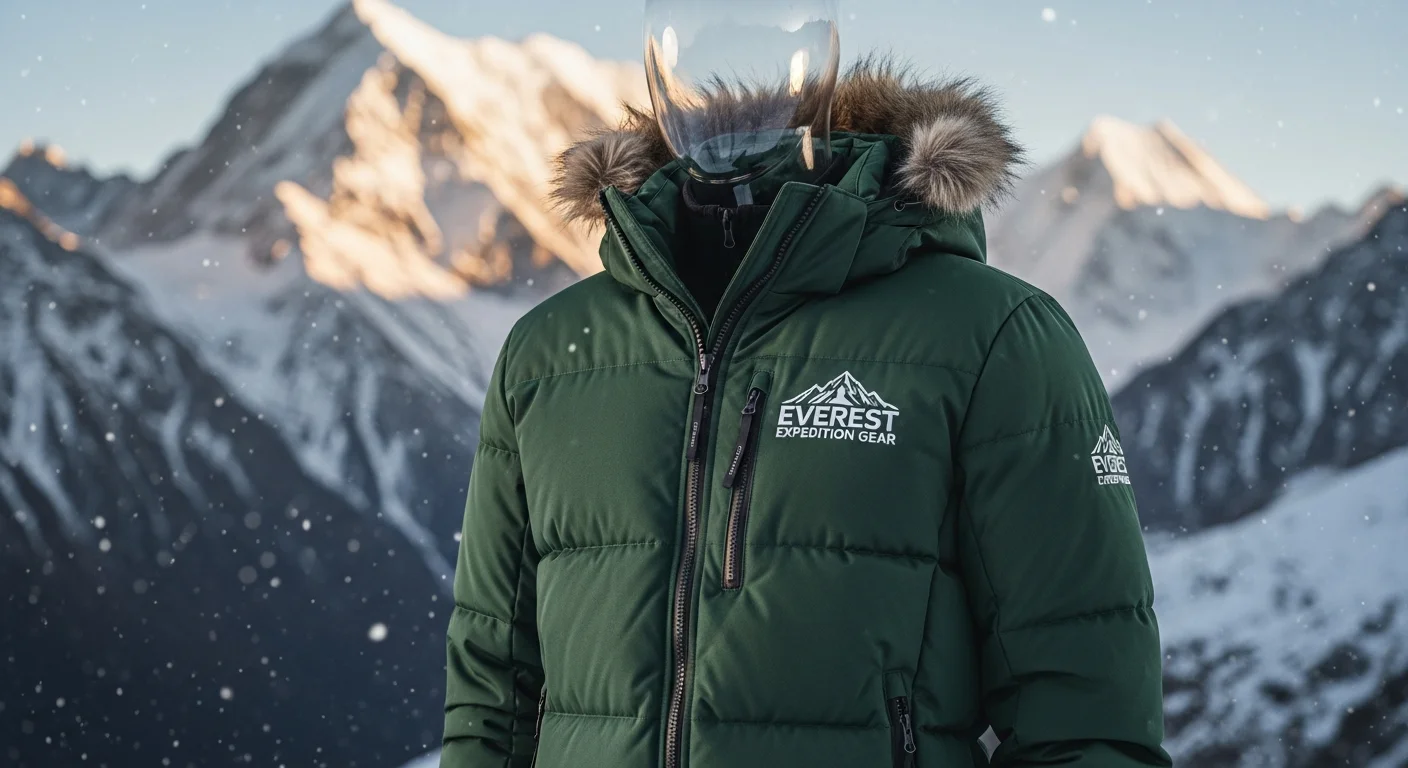
Creating a custom winter jacket involves considerations that go far beyond design and branding. Insulation type, shell material, water resistance, breathability, and construction quality all determine whether your custom jacket actually keeps people warm — or just looks good hanging on a rack. A winter jacket that fails to perform in cold weather will not get worn, no matter how attractive the design.
This guide covers the technical side of custom winter jacket production — the insulation science, material selection, and construction details that separate a genuinely warm custom jacket from a fashionable but ineffective one. We will also address the unique customization challenges that insulated jackets present and recommend the best decoration methods for cold-weather outerwear. For a broader overview of decoration techniques, our jacket decoration methods guide compares every option in detail.
What Makes a Jacket Winter-Ready
A winter-ready jacket must address three thermal challenges: it must trap body heat (insulation), block wind (wind resistance), and manage moisture from both external precipitation and internal perspiration (water resistance and breathability). The best winter jackets balance all three factors without becoming excessively heavy or bulky.
Thermal insulation: Insulation creates dead air spaces that trap body heat. The effectiveness of insulation is measured in CLO units (clothing insulation value) or by fill power (for down insulation). Higher values mean more warmth per unit of thickness and weight. For custom winter jackets, the insulation type and weight determine the temperature range the jacket is suitable for.
Wind resistance: Even the best insulation fails if wind penetrates the shell and strips away trapped heat. A wind-resistant or windproof outer shell is essential for any jacket intended for temperatures below 40°F. Tightly woven nylon and polyester fabrics, membrane laminates (like Gore-Tex Windstopper), and DWR-treated shells all provide varying degrees of wind protection.
Moisture management: Winter jackets face moisture from two directions — precipitation from outside and perspiration from inside. The outer shell must repel rain and snow while the interior must allow water vapor from sweat to escape. Jackets that trap perspiration become damp and cold from the inside out, defeating the purpose of insulation. This is why breathability ratings matter as much as waterproofing for active winter wear.
Construction details: Draft flaps behind zippers, insulated hand-warmer pockets, adjustable cuffs, hem drawcords, and high collars or hoods all contribute to a jacket's ability to seal out cold air. For custom winter jackets, these functional details should not be sacrificed for aesthetic customization — they are essential performance features.
Insulation Types: Synthetic, Down, and PrimaLoft
The insulation inside your custom winter jacket is the single most important factor determining its warmth. Each insulation type has distinct performance characteristics, cost implications, and suitability for different use cases.
Synthetic insulation (polyester fill): The most common insulation for custom jackets because it is affordable, maintains warmth when wet, is hypoallergenic, and is easy to care for. Synthetic fill uses continuous or short-staple polyester fibers to create lofted air pockets. It performs reliably in a wide range of conditions and is the default choice for corporate jackets, work jackets, and promotional outerwear. The primary trade-off is that synthetic insulation is heavier and bulkier than down for the same warmth level.
Down insulation: Goose or duck down clusters provide the best warmth-to-weight ratio of any insulation material. Down creates millions of tiny air pockets that trap heat with exceptional efficiency. A quality 650-fill-power down jacket provides significant warmth while remaining remarkably light and compressible. However, down loses nearly all insulating ability when wet, requires careful washing, and costs significantly more than synthetic alternatives. Down is the premium choice for executive gifts, high-end branded outerwear, and custom jackets intended for dry cold climates.
PrimaLoft and premium synthetics: PrimaLoft, Thinsulate, and other engineered synthetic insulations bridge the gap between standard polyester fill and natural down. These materials mimic down's loft and warmth-to-weight ratio while maintaining performance when wet. PrimaLoft Gold, for example, retains 98% of its insulating ability even when soaked — a critical advantage for outdoor work and activities. Premium synthetics cost more than standard polyester fill but less than quality down, making them an excellent middle-ground option for performance-oriented custom winter jackets.
Insulation weight guidelines: Light insulation (60-100g/m²) is suitable for temperatures between 30-50°F and active use. Medium insulation (100-200g/m²) covers 15-35°F for moderate activity levels. Heavy insulation (200-300g/m²) handles temperatures below 15°F and is designed for stationary or low-activity situations. Match the insulation weight to your team's actual working conditions rather than choosing the maximum weight available — over-insulated jackets cause overheating during physical activity, leading to sweating and eventual chill.

Shell Materials and Water Resistance
The outer shell of a winter jacket serves as the first line of defense against wind, rain, snow, and abrasion. Shell material selection affects the jacket's weather protection, durability, weight, and which customization methods are compatible.
Nylon ripstop: The workhorse of outdoor jacket shells. Ripstop nylon uses a reinforced weave pattern that prevents tears from spreading. It is lightweight, wind-resistant, and accepts DWR (durable water repellent) coatings for rain protection. Ripstop nylon works well with screen printing, embroidery, and heat transfer decoration methods. It is the standard shell for outdoor work jackets, team jackets, and mid-range winter outerwear.
Polyester microfiber: Tightly woven polyester creates a smooth, soft-to-the-touch shell that looks more refined than nylon. Polyester shells are popular for corporate and fashion-oriented winter jackets where appearance matters as much as function. Polyester microfiber accepts all decoration methods including sublimation printing, making it the most versatile shell for full-color custom designs.
Softshell fabric: A laminated fabric that combines a woven face, a breathable membrane, and a fleece backing into a single layer. Softshells are stretchier and more breathable than hard-shell fabrics, making them comfortable for active wear. They provide excellent wind resistance and moderate water resistance (suitable for light rain and snow) but are not fully waterproof. Softshell winter jackets are popular for commuting, hiking, and corporate casual wear.
Waterproof membranes: Gore-Tex, eVent, and proprietary waterproof-breathable membranes provide full waterproofing while allowing perspiration vapor to escape. These membranes are laminated between the outer fabric and the inner lining, creating a barrier that blocks liquid water while passing water vapor. For custom winter jackets used in heavy rain or snow, a membrane rating of 10,000mm+ waterproofness and 10,000g+ breathability provides reliable all-day protection. Browse shell options on our custom jackets page.

Customization Challenges for Insulated Jackets
Insulated winter jackets present unique challenges for decoration that thinner, uninsulated jackets do not. The bulk, quilting patterns, and performance coatings of winter jackets affect how well different customization methods work and where designs can be placed.
Quilting and baffles: Puffer and quilted jackets have raised baffles separated by stitched channels. Embroidery and printing across baffle lines produces uneven, distorted results because the surface is not flat. Designs must be sized and positioned to fit within a single baffle or placed on non-quilted areas (shoulder yokes, chest panels, sleeve tops) where the fabric lies flat.
DWR coatings: Durable water repellent coatings on the shell fabric can interfere with ink adhesion for screen printing and DTG printing. The hydrophobic coating repels water-based inks just as it repels rain. Plastisol inks and embroidery are not affected by DWR coatings. If your winter jacket has a DWR finish, embroidery or plastisol screen printing are the safest decoration choices.
Fabric thickness: The combined thickness of shell fabric, insulation, and lining creates a substantial material stack that embroidery machines must penetrate. Standard embroidery needles may struggle with heavily insulated jackets, producing skipped stitches, broken threads, or puckered fabric. Experienced embroidery shops use heavier needles (size 14-16) and reduce stitch density for insulated garments to accommodate the extra thickness.
Heat sensitivity: Some insulation materials and shell coatings are heat-sensitive. Heat transfer vinyl and sublimation printing require temperatures of 300-400°F, which can damage certain synthetic shells, melt some insulation types, and destroy DWR coatings. Always verify the jacket's heat tolerance before applying any heat-based decoration method. Embroidery and sew-on patches avoid this issue entirely. Preview your design placement on our design tool before committing to production.
Best Decoration Methods for Winter Jackets
Given the challenges outlined above, here are the recommended decoration methods for custom winter jackets, ranked by reliability and compatibility:
Embroidery (best overall): Embroidery is the most reliable decoration method for winter jackets because it does not depend on ink adhesion, is not affected by DWR coatings, and produces a premium look that matches the quality expectation of outerwear. Position embroidery on flat, non-quilted areas — left chest, right chest, upper back yoke, and upper sleeve are the most reliable placements on insulated jackets.
Sewn-on patches (excellent alternative): Patches can be produced independently and then sewn onto the jacket at any flat location. This avoids the challenges of directly decorating through insulation layers because patches are stitched to the outer shell only. PVC patches are especially well-suited for winter jackets because they are waterproof and will not absorb moisture in rain or snow.
Screen printing (with limitations): Screen printing works on winter jackets with flat, non-quilted panels and no DWR coating. Use plastisol ink for best adhesion and durability. Limit designs to areas where the fabric lies flat against the body — large prints that span quilted baffles will not produce acceptable results.
Heat transfer (use cautiously): Heat transfer vinyl and heat transfer prints can work on some winter jackets, but always verify the shell's heat tolerance first. Apply heat transfer to flat, non-quilted areas only, and use the lowest effective temperature and shortest press time to minimize the risk of heat damage to insulation or coatings.
Custom Winter Jackets for Outdoor Teams
Outdoor work crews, construction teams, ski patrol, event staff, and sports teams operating in cold weather need custom winter jackets that perform as hard as they do. For these applications, functionality must take priority over aesthetics — though with the right jacket selection, you do not have to sacrifice either.
Construction and trades: ANSI-rated high-visibility winter jackets with custom company logos are essential for outdoor construction teams. These jackets must meet safety standards for reflective tape placement and fluorescent color requirements while incorporating your branding. Embroidered company logos on the chest and back of hi-vis winter jackets create professional identification without compromising safety compliance. Our custom work jackets guide covers safety-rated options in detail.
Sports teams: Custom insulated bench coats and sideline jackets keep coaches, substitutes, and support staff warm during outdoor winter sports. These jackets typically feature team logos on the chest and back, player names or coach titles, and team colors. Full-length bench coats with heavy insulation (200g+) are essential for football, soccer, lacrosse, and other sports with extended sideline exposure. See our custom team jackets guide for sport-specific recommendations.
Event staff: Outdoor winter events require staff jackets that provide warmth, weather protection, and clear identification. Bright colors with large back prints help attendees identify staff members from a distance. Waterproof shells with medium insulation work for event staff who alternate between active movement and stationary positions.

Layering Systems and 3-in-1 Jackets
The layering system approach to winter warmth offers maximum versatility for custom jacket programs. Instead of a single heavy jacket, a layering system uses multiple lighter pieces that can be combined or worn independently depending on conditions. The 3-in-1 jacket is the most popular layered option for custom branding.
How 3-in-1 works: A 3-in-1 jacket consists of a waterproof outer shell and a removable insulated inner jacket that zips into the shell. Worn together, they create a warm, weatherproof winter jacket. The shell alone serves as a rain jacket in mild weather. The inner jacket alone works as a lightweight insulated layer for cool indoor spaces or transitional seasons. This three-garment versatility from a single purchase represents excellent value for corporate and team jacket programs.
Branding opportunities: The 3-in-1 format creates multiple decoration surfaces. Embroider your primary logo on both the outer shell and the inner jacket so your brand is visible regardless of which configuration the wearer chooses. Our decoration methods guide covers which techniques work best on each layer type.
Base and mid layers: A complete layering system includes a moisture-wicking base layer and an insulating mid layer like a fleece jacket. Custom branded layers extend your branding while improving thermal comfort. A branded fleece that doubles as a standalone casual jacket and a layering piece maximizes your investment.

Care and Storage for Custom Winter Jackets
Proper care extends the life of both the jacket's performance features and its custom decoration. Winter jackets require more careful maintenance than uninsulated outerwear because insulation, waterproof coatings, and specialized fabrics each have specific care requirements.
Washing frequency: Wash winter jackets only when genuinely dirty — typically 2-4 times per season for regular wear. Over-washing degrades DWR coatings, compresses insulation, and stresses embroidery and printed decorations. Spot-clean minor stains with a damp cloth and mild detergent rather than running the entire jacket through a wash cycle.
Down jacket care: Down-insulated jackets require special washing techniques. Use a front-loading washer (top-loading agitators can damage baffles), a down-specific detergent (regular detergent strips natural oils from down clusters), and a low-heat tumble dry cycle with clean tennis balls (the balls break up clumped down and restore loft). Never dry-clean down jackets — the solvents destroy down's insulating properties.
Synthetic jacket care: Synthetic insulated jackets are easier to care for than down. Machine wash in cold water with a mild detergent, rinse thoroughly, and tumble dry on low heat. Avoid fabric softener, which coats synthetic fibers and reduces their ability to trap air. Synthetic insulation recovers its loft readily after washing and drying.
DWR restoration: DWR coatings degrade over time through wear, washing, and UV exposure. Restore DWR by tumble drying the clean jacket on medium heat for 20 minutes (heat reactivates existing DWR) or by applying a spray-on DWR treatment. Restore DWR at the beginning of each winter season for consistent performance.
Off-season storage: Store winter jackets in a cool, dry space — not compressed in a stuff sack or vacuum bag. Compression flattens insulation and reduces its ability to trap heat. Hang jackets on wide, padded hangers or fold them loosely in a breathable garment bag. Ensure jackets are clean and completely dry before storage.
Ready to create your custom winter jacket? Browse our winter jacket options, upload your logo in our free design tool, and get a quote for your project. Whether you need insulated work jackets for a construction crew, premium puffers for executive gifts, or 3-in-1 systems for a versatile corporate program, we have the styles, decoration options, and expertise to deliver custom winter jackets that perform as beautifully as they look.
Share this article
Written by
Aisha Patel
Head of Materials Science & Sustainability at RareCustom. Aisha evaluates insulation types, shell materials, and water-resistance ratings for custom winter jacket performance.