How to Design a Custom Jacket: Step-by-Step Beginner's Guide
Learn how to design a custom jacket from scratch with this step-by-step beginner's guide. Choose your style, select materials, pick decoration methods, and place your order with confidence using our custom jacket design tool.
Camille Dupont
Senior Designer at RareCustom. Camille walks beginners through the custom jacket design process from style selection to decoration placement and final mockup review.
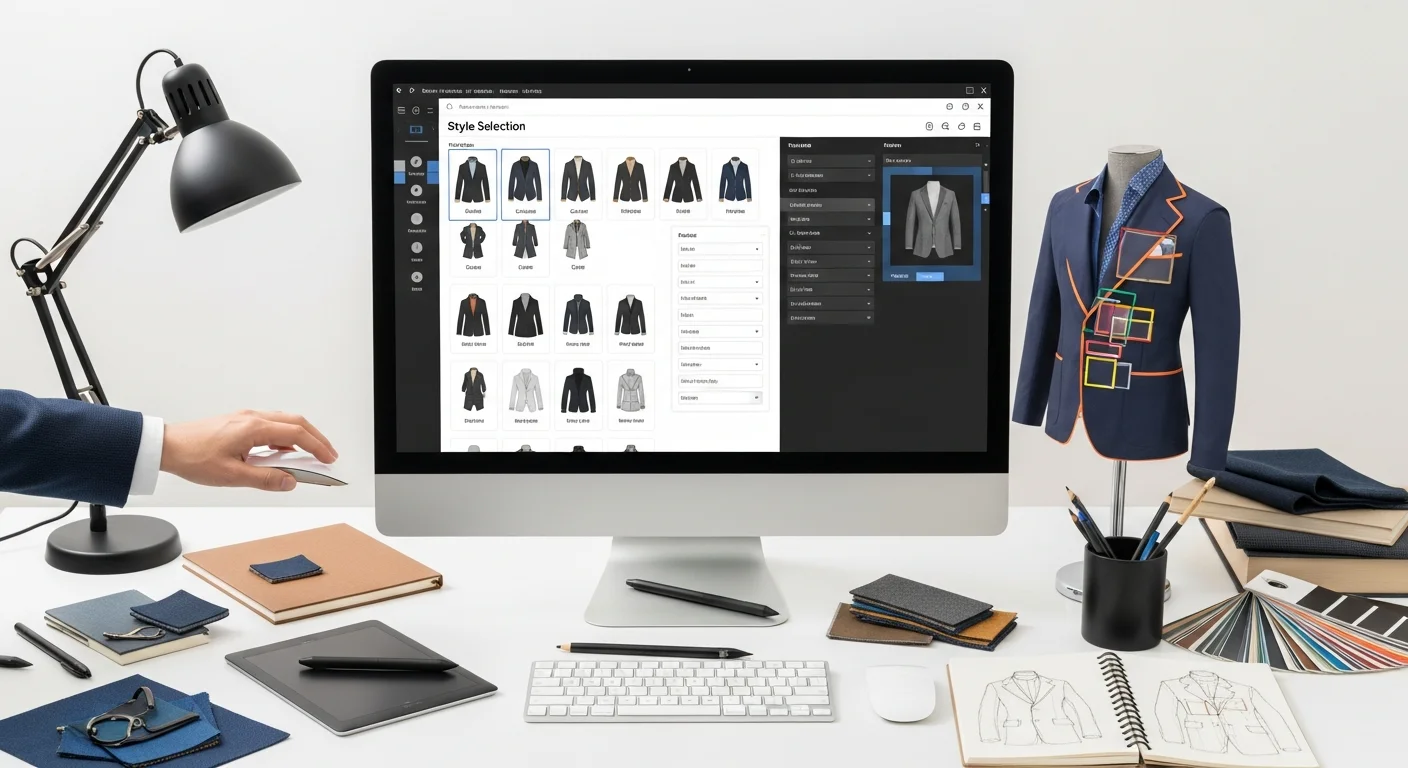
Designing your own custom jacket is one of the most rewarding ways to express your personal style, promote your brand, or unite your team under a shared identity. Whether you are creating a single statement piece for yourself or ordering a batch for your organization, the process does not need to be intimidating. With the right approach and a clear plan, anyone can design a professional-quality custom jacket from scratch — no graphic design degree required.
This step-by-step guide walks you through the entire jacket design process, from choosing the right base style to placing your final order. By the end, you will have the confidence and knowledge to bring your vision to life using our custom jacket design tool. If you are brand new to custom apparel, start here and explore the other guides linked throughout for deeper dives into specific topics.
Step 1: Choose Your Jacket Style
The foundation of every great custom jacket starts with selecting the right base style. Your choice determines the overall look, feel, and functionality of the finished product. Each jacket type carries its own aesthetic, so matching the style to your purpose is essential.
Varsity and letterman jackets feature the classic wool body with leather or faux-leather sleeves. They are perfect for schools, sports teams, and retro-inspired personal wear. The structured silhouette and snap-button front give these jackets a timeless appeal that never goes out of style. For a deep dive into varsity options, read our custom varsity letterman jacket design guide.
Bomber jackets offer a sleek, modern profile with ribbed cuffs, collar, and hem. They work equally well for streetwear brands, corporate giveaways, and casual daily wear. Bombers provide a generous canvas for back prints and chest logos without the formality of a blazer.
Windbreakers and coaches jackets are lightweight, packable options ideal for athletic teams, outdoor events, and spring or fall promotions. Their smooth nylon or polyester shells accept screen printing and heat transfer beautifully.
Denim jackets provide a rugged, casual base that pairs well with embroidery, patches, and distressed finishes. Denim ages beautifully and develops character over time, making each jacket increasingly unique. Softshell and fleece jackets round out the options for cold-weather applications where warmth and comfort are priorities.

Step 2: Select Color and Material
Once you have chosen your jacket style, the next step is selecting the right color and material combination. Color sets the tone for your entire design — it communicates mood, brand identity, and visual impact before anyone reads a single word on the jacket.
Solid colors are the safest and most versatile choice. Black, navy, charcoal, and forest green work across nearly every context and pair well with any decoration color. For bolder statements, consider royal blue, burgundy, burnt orange, or emerald. Stick to one or two primary colors to keep the design clean and professional.
Two-tone and color-blocked options add visual interest without additional printing. Varsity jackets traditionally use contrasting body and sleeve colors. Bomber jackets with contrasting ribbing create a subtle but effective accent. Color blocking is especially popular in retro and streetwear-inspired designs.
Material weight and texture influence both appearance and comfort. Heavyweight 12-ounce wool creates a premium, structured jacket that holds its shape. Lightweight nylon and polyester shells are breathable and packable. Cotton twill and canvas offer a middle ground with moderate weight and excellent durability. Consider where and when the jacket will be worn most frequently and choose a material weight that matches those conditions.
If your jacket will feature detailed photographic prints or full-color gradients, choose a polyester shell or a poly-blend material that supports sublimation printing. Natural fibers like wool and cotton work best with embroidery, screen printing, and custom patches.
Step 3: Decide on Decoration Method
The decoration method is how your design gets applied to the jacket. Each method has different strengths, costs, and visual characteristics. Choosing the right one depends on your design complexity, budget, order quantity, and desired aesthetic.
Embroidery is the gold standard for logos, text, and simple graphics on jackets. Stitched designs are incredibly durable, resist washing and fading, and add a three-dimensional texture that printed graphics cannot replicate. Embroidery works best on structured fabrics like wool, twill, and denim. Expect to pay more per unit, but the premium look and longevity justify the investment for professional and corporate applications.
Screen printing delivers bold, opaque colors at a lower per-unit cost, especially for larger orders. It excels at reproducing designs with solid color areas and clean edges. Screen printing is the go-to method for team jackets, event giveaways, and promotional orders where budget and volume are priorities.
Heat transfer and DTG (direct-to-garment) printing handle photographic images, gradients, and complex multi-color designs that embroidery and screen printing cannot achieve. These methods are ideal for small-batch orders and one-off personal jackets where you want unlimited color detail. For a comprehensive comparison of all decoration options, check our embroidery vs printing vs patches guide.
Patches offer a removable, interchangeable option that adds texture and dimension. Iron-on, sew-on, and Velcro patches let you customize placement and swap designs as needed. Patches work especially well on denim and utility jackets where the layered, collected look is part of the aesthetic.
Step 4: Upload or Create Your Design
With your style, color, and decoration method selected, it is time to create or upload your actual design. Our online design tool makes this process accessible to everyone, regardless of design experience.
Upload existing artwork: If you already have a logo, graphic, or design file, upload it directly to the design tool. For the best results, use vector files (SVG, AI, EPS) for embroidery and screen printing, or high-resolution raster files (PNG, JPEG at 300 DPI or higher) for digital printing methods. Transparent PNG files work best for logos that need to sit cleanly on the jacket without a visible background box.
Use the built-in design tools: If you are starting from scratch, our design tool offers text editors with hundreds of font options, clipart libraries, shape tools, and color pickers. Build your design layer by layer — start with your primary element (logo, text, or graphic), then add supporting elements like dates, taglines, or decorative borders.
Hire a designer: For complex or high-stakes projects like corporate branding or band merch, consider hiring a professional designer to create your artwork. Provide them with your jacket style, colors, decoration method, and print dimensions so they can optimize the file for your specific application.
Keep it simple: The most impactful jacket designs are often the most restrained. A clean logo on the chest with a larger back graphic creates a balanced, professional look. Resist the temptation to fill every available space — white space (or in this case, jacket space) gives your design room to breathe and ensures visual clarity from a distance.
Step 5: Choose Placement (Front, Back, Sleeves)
Design placement determines how your jacket tells its visual story. Different zones on the jacket serve different purposes, and strategic placement maximizes impact while maintaining a polished appearance.
Left chest: The most common placement for logos, monograms, and small emblems. A 3-4 inch design on the left chest provides subtle branding that is visible during handshakes, meetings, and face-to-face interactions. This is the standard placement for corporate jackets, team warm-ups, and professional uniforms.
Full back: The largest canvas on any jacket and the prime location for bold graphics, large text, team names, and detailed artwork. Back prints are highly visible in group settings, on stage, and in photographs. Size your back design to fill 10-14 inches of width for maximum visual impact without crowding the edges.
Sleeves: Sleeve prints and patches add a secondary layer of customization. Left and right sleeves can feature different elements — a flag on one side and a sponsor logo on the other, for example. Sleeve placement works well for supplementary text, year dates, and small accent graphics.
Right chest and pocket area: Use this zone for secondary branding, name personalization, or supporting text. On varsity jackets, the right chest often features the wearer's name or graduation year. On corporate jackets, this area can display the employee's name or department.

Step 6: Preview Your Mockup
Before committing to production, always preview your design on a realistic jacket mockup. Our design tool generates photorealistic mockups that show exactly how your finished jacket will look, including fabric texture, color accuracy, and design scale.
Check proportions: A design that looks great on your computer screen may appear too large or too small on the actual jacket. Use the mockup to verify that your chest logo is appropriately sized (typically 3-4 inches wide) and that your back design does not extend past the shoulder seams or below the waist hem.
Review color combinations: Verify that your design colors contrast sufficiently against the jacket color. Dark designs on dark jackets disappear, and light designs on white or cream jackets lack visual punch. The mockup reveals these issues before they become expensive production mistakes.
View multiple angles: Rotate the mockup to check front, back, and side views. Ensure sleeve designs are centered and level. Confirm that the overall composition looks balanced from every angle, not just the front view.
Share for feedback: Download your mockup images and share them with team members, stakeholders, or friends for feedback before ordering. Fresh eyes catch issues that you may have overlooked after hours of design work. A five-minute review can save hundreds of dollars in reprinting costs.

Step 7: Select Sizes and Quantities
Getting sizes right is critical, especially for group orders. A beautifully designed jacket that does not fit properly will not be worn, wasting your investment. Take time to collect accurate size information and plan your quantity breakdown carefully.
Collect size data early: For team or organization orders, distribute a size chart and collection form well in advance of your order deadline. Include measurements for chest width, sleeve length, and jacket length so recipients can compare against their existing jackets rather than guessing.
Order size samples: If your budget allows, order one or two sample jackets in common sizes before placing the full order. This lets you verify the fit, fabric quality, and decoration accuracy in person. Samples are especially valuable for first-time orders with a new supplier or jacket style.
Plan for size distribution: Most group orders follow a bell curve distribution — a few smalls, more mediums, the most larges and XLs, then fewer 2XL and above. Order 5-10 percent extra in the most popular sizes to accommodate late additions or size exchanges.
Consider unisex vs gendered sizing: Unisex jackets simplify ordering but may not fit everyone optimally. If your group includes a wide range of body types, offering both men's and women's cuts ensures better fit and higher satisfaction. Discuss sizing options with your supplier before finalizing your order.
Step 8: Review and Order
The final step is a thorough review of every detail before you submit your order. Rushing through this stage is the most common cause of custom jacket disappointments. Take the time to double-check everything.
Proofread all text: Read every word in your design out loud. Check spelling, capitalization, dates, and phone numbers. Typos on a printed jacket are permanent and expensive to fix. Have a second person review the text independently.
Confirm decoration method: Verify that your selected decoration method matches your design complexity and fabric type. Embroidery on a thin nylon shell may pucker, while screen printing on heavily textured wool may not adhere properly. If in doubt, consult your supplier.
Review pricing and timeline: Understand the total cost including setup fees, per-unit pricing, shipping, and any rush charges. Confirm the estimated delivery date and ensure it aligns with your event or deadline. Most custom jacket orders require 2-4 weeks for production plus shipping time.
Place your order: Submit your order through our platform, which provides order tracking, design file storage, and direct communication with the production team. You will receive a digital proof for final approval before printing begins. Do not approve the proof until you are completely satisfied with every detail.
Design Inspiration Gallery
Sometimes the best way to spark your creativity is to see what others have created. Here are popular custom jacket design categories that consistently produce stunning results and can inspire your own project.
Sports and athletics: Bold team names across the back, player numbers on sleeves, mascot logos on the chest. Sports jackets use high-contrast colors and aggressive typography to convey energy and team pride. Varsity letterman styles remain the top choice for athletic programs at every level.
Corporate and branding: Clean, professional designs with embroidered logos on the left chest and subtle branding on the back collar. Corporate jackets favor neutral colors and refined decoration. Softshell and performance fabrics project a modern, tech-forward image.
Streetwear and personal expression: Oversized back graphics, artistic illustrations, bold color combinations, and unconventional placements define streetwear jacket design. Think beyond traditional logo placement — wraparound prints, all-over patterns, and mixed decoration methods create one-of-a-kind statement pieces. Explore bomber jacket inspiration in our bomber jacket ideas guide.
Events and commemorative: Tour dates, event logos, anniversary markers, and group photos transform jackets into wearable memories. Event jackets often include the date, location, and participant names to create a lasting keepsake.
Common Design Mistakes to Avoid
Even experienced designers make mistakes when working with custom jackets. Learning from common errors saves you time, money, and frustration. Here are the pitfalls to watch out for during your design process.
Using low-resolution images: Pixelated, blurry graphics are the single most common quality issue in custom jacket production. Always use images at 300 DPI or higher and in the largest dimensions available. If your logo looks fuzzy on screen, it will look worse printed on fabric. Vector files eliminate this problem entirely for logos and text-based designs.
Overcrowding the design: Trying to fit too many elements into a single jacket results in a cluttered, confusing appearance. Choose one focal point — a large back graphic or a prominent chest logo — and let supporting elements remain secondary. Effective jacket designs have clear visual hierarchy.
Ignoring fabric compatibility: Not every decoration method works on every fabric. Sublimation requires polyester. Embroidery needs a stable, woven base fabric. Screen printing requires a relatively smooth surface. Match your design ambitions to the technical capabilities of your chosen fabric and decoration method.
Skipping the proof approval: Never approve a production proof without carefully reviewing it. Zoom in on every detail, verify colors against your original files, and confirm text accuracy. The proof is your last opportunity to catch errors before they become permanent. If something looks off, request revisions — reputable suppliers expect and welcome proof feedback.
Neglecting placement scale: A design that fills your entire computer screen may only cover a 3-inch area on the jacket chest. Always reference actual dimensions (in inches or centimeters) rather than screen proportions when sizing your design. Our design tool displays real-world measurements to prevent this common scaling error.

Designing a custom jacket is an exciting creative process that rewards planning and attention to detail. Follow these eight steps methodically, take advantage of mockup previews and proof approvals, and you will end up with a jacket that looks exactly as you envisioned. Start your project today with our custom jackets collection, and use the design tool to bring your ideas to life in minutes.
Share this article
Written by
Camille Dupont
Senior Designer at RareCustom. Camille walks beginners through the custom jacket design process from style selection to decoration placement and final mockup review.