How to Start a Custom Sticker Business in 2026: From Idea to First Sale
Learn how to start a profitable custom sticker business in 2026 with our complete guide covering niche selection, business models, pricing strategy, marketing, and scaling beyond your first 100 sales.
Natalie Voss
Founder & CEO of RareCustom. MBA from Stanford with 8 years in e-commerce operations. Natalie shares business strategy insights for aspiring custom sticker entrepreneurs.
The custom sticker business is one of the most accessible and profitable product-based businesses you can start in 2026. With startup costs as low as a few hundred dollars, no inventory requirements if you choose a print on demand stickers model, and a global marketplace of millions of sticker buyers on platforms like Etsy, Shopify, and Redbubble, the barriers to entry have never been lower. The global sticker market is projected to exceed $60 billion by 2027, driven by consumer demand for personalization, self-expression, and brand-building across every industry. Whether you envision a full-time sticker business startup or a profitable custom sticker side hustle, the opportunity is real — and this guide will show you exactly how to capture it.
However, low barriers to entry also mean significant competition. The difference between a sticker business that generates consistent revenue and one that fades after a few months comes down to strategic decisions about niche selection, business model, pricing, marketing, and operational efficiency. This custom sticker business plan walks you through every phase of launching a sticker business — from identifying your target audience and selecting your sticker niche to setting up your online store, pricing for profit, marketing effectively, and scaling beyond your first 100 sales. Whether you are a designer, an entrepreneur, or a creative hobbyist ready to monetize your talent, this guide provides the actionable framework you need. For design fundamentals, review our sticker design guide and design ideas gallery before building your product line.
Why Custom Stickers Are a Profitable Business in 2026
Several market dynamics make 2026 an exceptional time to start a sticker business. First, sticker profit margins are among the highest in the print-on-demand and custom merchandise industry — material and production costs for a single sticker range from $0.10 to $0.50 depending on size, material, and finish, while retail prices typically range from $2.00 to $8.00 per sticker or $8.00 to $25.00 per sticker pack. This 5x to 20x markup calculation creates healthy margins even after accounting for platform fees, shipping, and marketing costs.
Second, the addressable market is enormous and diverse. Custom stickers serve consumers (personal expression, gifts, collections), businesses (branding, packaging, labels), organizations (events, fundraising, membership), and creators (merchandise, fan engagement). This diversity means you can find profitable niches within the broader market where competition is manageable and customer demand is strong. Third, stickers are lightweight and flat, making them inexpensive to ship — a critical advantage in e-commerce where shipping costs can erode margins on bulkier products.
Finally, the rise of social media platforms like TikTok has created a massive discovery channel for sticker businesses. TikTok sticker business content regularly goes viral, driving thousands of new customers to small sticker shops overnight. The combination of high margins, low startup costs, cheap shipping, and powerful social media discovery makes the sticker business one of the most attractive opportunities in the creator economy.
Choosing Your Niche
Sticker niche selection is the single most important strategic decision in your custom sticker business plan. The sticker market is too large and competitive to serve "everyone who likes stickers." Successful sticker businesses target specific audiences with designs that resonate deeply with a defined community or interest group.

How to Identify Profitable Niches
Start your sticker market research by exploring bestseller lists on Etsy and Redbubble. Look for design themes, aesthetics, and target audiences that consistently appear in top-selling listings. Use tools like eRank, Marmalead, or Google Trends to validate demand for specific niches. The ideal niche has strong search volume, passionate buyers, and manageable competition — meaning the top sellers are not so dominant that a new entrant cannot gain visibility.
Proven Profitable Niches in 2026
- Health and wellness: Mental health awareness, yoga and meditation, fitness motivation, self-care reminders
- Pet lovers: Breed-specific designs, pet portrait stickers, "dog mom" and "cat dad" lifestyle
- Plants and gardening: Botanical illustrations, plant puns, gardener humor, houseplant identification
- Profession-specific: Nurse stickers, teacher stickers, software developer humor, trades and crafts
- Fandom and pop culture: Book lover aesthetics, gaming references, anime-inspired designs, cottagecore lifestyle
- Seasonal and holiday: Christmas, Halloween, Valentine's Day, back-to-school — timed releases that create urgency
Your target audience for stickers should be specific enough that you can describe their demographics, interests, and purchasing behavior in a single paragraph. "Women aged 22–35 who are plant enthusiasts, active on Instagram and TikTok, and willing to spend $10–20 on sticker packs that reflect their lifestyle" is a strong niche definition. "People who like stickers" is not.
Business Model Options
The sticker business offers several operational models, each with distinct advantages and tradeoffs. Your choice of business model affects your startup costs, daily operations, margin structure, and growth trajectory.

Print on Demand (POD)
A POD sticker business eliminates inventory entirely. You create designs and list them on a print-on-demand platform (like Redbubble, TeePublic, or Printful), and the platform prints and ships each sticker only when a customer orders it. Sticker dropshipping through POD means zero upfront production costs and no inventory risk. The tradeoff is lower margins — POD platforms take a significant percentage — and less control over materials, quality, and shipping speed. POD is ideal for testing designs, validating niches, and starting with minimal investment.
Wholesale and Bulk Production
Ordering stickers in bulk from a sticker printing partner like RareCustom and selling them directly gives you higher margins, full control over quality, and the ability to offer premium materials and finishes that POD platforms may not support. Sticker supplier comparison is critical here — evaluate print quality, minimum order quantities, turnaround time, and pricing tiers before committing. Bulk production requires upfront investment in inventory but delivers 3–5x higher margins than POD. For bulk ordering guidance, see our bulk ordering checklist.
Self-Production (Cricut / Home Printing)
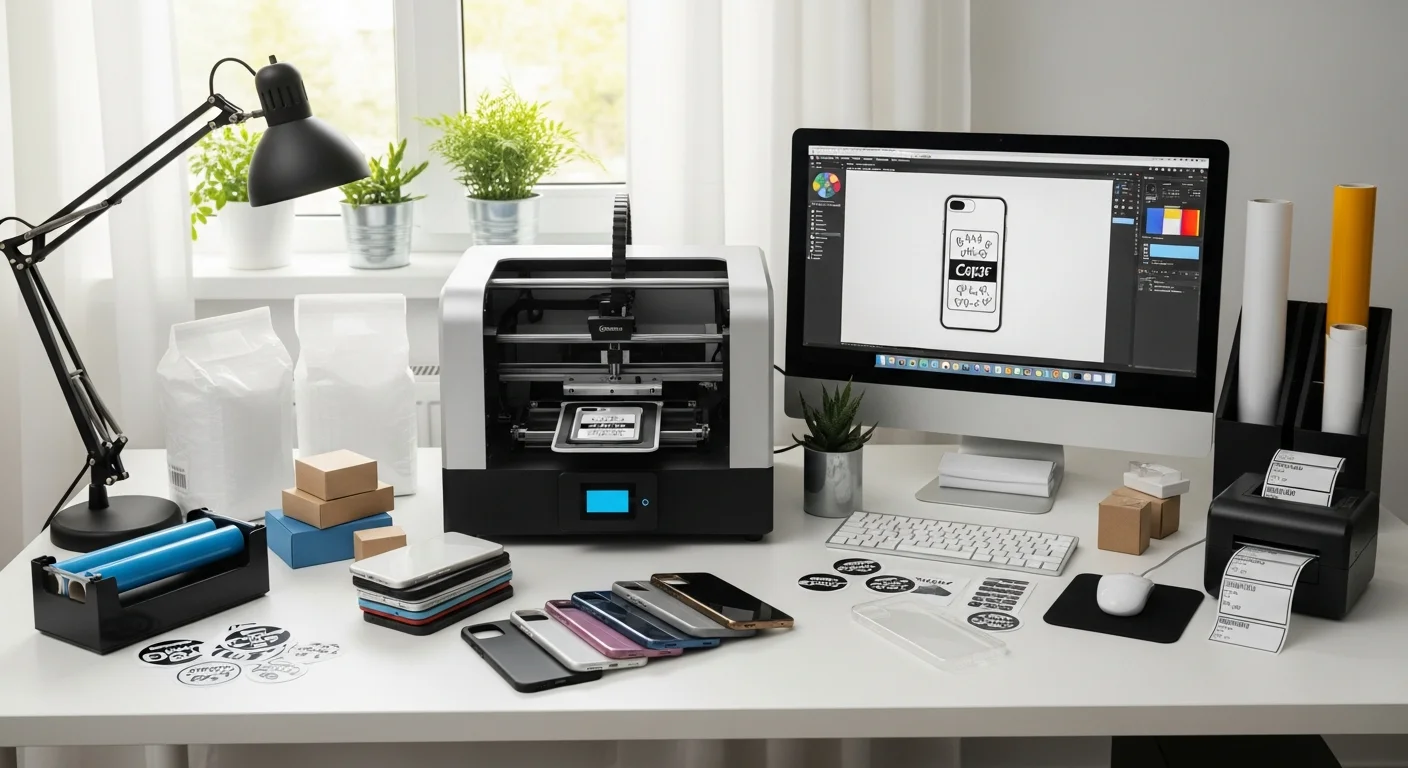
A Cricut sticker business or home printer setup gives you complete control over production but limits your capacity and quality ceiling. Home production works for very small batches, custom one-off orders, and artists who want hands-on control of every sticker. As order volume grows, self-production becomes a bottleneck — the time spent cutting, weeding, and packaging stickers at home has a real opportunity cost that professional printing eliminates.
Setting Up Your Business
Before listing your first sticker, establish the legal and operational foundation of your sticker business. Sticker business legal requirements vary by location but typically include registering your business name, obtaining a business license, and understanding your sales tax obligations. In the United States, most states require you to collect sales tax on sticker sales — register for a sales tax permit in your state and research nexus rules if you sell across state lines.
Set up a dedicated business bank account to separate personal and business finances. Choose an accounting tool to track income, expenses, and tax obligations from day one. If you are operating as a sole proprietor, consider forming an LLC for liability protection as your business grows. Create your brand assets — logo, color palette, brand voice — that will appear consistently across your store, social media, and packaging. Your sticker business branding should reflect the aesthetic of your target niche and differentiate you from competitors.
Designing Your Sticker Product Line
Your product line is the core of your sticker business. Start with 15–25 designs organized into 2–3 cohesive collections within your chosen niche. Each collection should share a visual theme — consistent color palette, illustration style, and subject matter — while offering enough variety to appeal to different tastes within your target audience.
Design for production by ensuring your artwork meets print requirements: 300 DPI minimum at final size, proper bleed and trim lines, and colors in CMYK mode for accurate reproduction. Create designs that work across multiple sticker formats — a strong illustration can be sold as an individual die-cut sticker, as part of a sticker sheet, and as a sticker pack collection. Use our free design tool to visualize your designs on different sticker formats and materials before ordering production samples.
Test your designs before investing in bulk production. Order sample batches of your top designs, apply them to various surfaces, and evaluate print quality, color accuracy, and adhesion. Share samples with friends, family, or social media followers and gather feedback on which designs generate the most interest. This validation step prevents costly production runs of designs that do not resonate with your target audience.
Pricing Your Custom Stickers for Profit
Sticker pricing strategy directly determines your business viability. Too low, and you cannot sustain operations. Too high, and you lose sales to competitors. The key is understanding your true costs and applying a markup calculation that delivers sustainable margins.

Calculate Your True Costs
- Production cost: Material + printing + cutting per unit (varies by material, finish, size, and quantity)
- Packaging cost: Backing card, cellophane sleeve, mailer, and any branded packaging elements
- Shipping cost: Average shipping expense per order including packaging materials
- Platform fees: Marketplace commissions (Etsy takes ~6.5% + listing fees), payment processing (2.9% + $0.30 typical)
- Marketing cost: Average advertising spend per sale if running paid campaigns
- Labor cost: Time spent on design, production, packaging, shipping, customer service — value your time even if you are a solo operator
Pricing Benchmarks
Individual die-cut stickers typically retail for $2.50–$5.00 depending on size, material, and design complexity. Sticker packs of 3–5 designs range from $6.00–$15.00. Sticker sheets with 10+ designs sell for $8.00–$20.00. Premium stickers with holographic, glitter, or specialty finishes command a 30–50% premium over standard stickers. Your sticker profit margins should target a minimum of 50% gross margin after all variable costs — with 60–70% being a sustainable target for established businesses. For detailed industry pricing analysis, review our sticker pricing guide.
Marketing Your Sticker Business
Your sticker marketing strategy determines how quickly you reach your target audience and generate consistent sales. In 2026, the most effective marketing channels for sticker businesses combine organic social media, marketplace SEO, and community engagement.
Social Media Marketing
Social media sticker sales are driven primarily by visual content on Instagram, TikTok, and Pinterest. TikTok sticker business content — including design process videos, packing order compilations, and "sticker haul" unboxings — consistently generates viral reach. Instagram showcases your designs through curated feeds, Stories, and Reels. Pinterest drives evergreen traffic through searchable pins that surface for months or years after posting. Post consistently, engage with your niche community, and collaborate with micro-influencers who share your target audience.
Marketplace SEO
If you sell on Etsy or similar marketplaces, search optimization is critical. Research keywords using eRank or Marmalead, optimize your listing titles and tags for high-volume search terms, and write detailed descriptions that include relevant long-tail keywords. Your listing photos should be professional — bright, well-lit images showing stickers on attractive surfaces (laptops, water bottles, planners) convert significantly better than flat product shots on white backgrounds.
Sales Channels and Platforms
Diversifying your sales channels reduces risk and maximizes your customer reach. Here are the primary platforms for selling custom stickers in 2026.

- Etsy: The largest marketplace for handmade and custom products. An Etsy sticker business benefits from built-in traffic and buyer trust but faces high competition and platform fees (~6.5% + listing fees)
- Shopify: A Shopify sticker store gives you full control over branding, customer data, and margins. Monthly subscription costs ($39+) are offset by lower transaction fees and the ability to build a direct relationship with customers
- Redbubble / TeePublic: A Redbubble sticker seller uploads designs and the platform handles production, shipping, and customer service. Lowest effort but also lowest margins (typically 15–25% commission)
- Amazon Handmade: Access to Amazon's massive customer base with a focus on handmade products. Higher referral fees (~15%) but unmatched organic traffic potential
- Local markets and craft fairs: In-person sales at local events build community connections and allow customers to see and touch your stickers before buying. Higher margin (no platform fees) with direct customer feedback
Packaging and Shipping Stickers
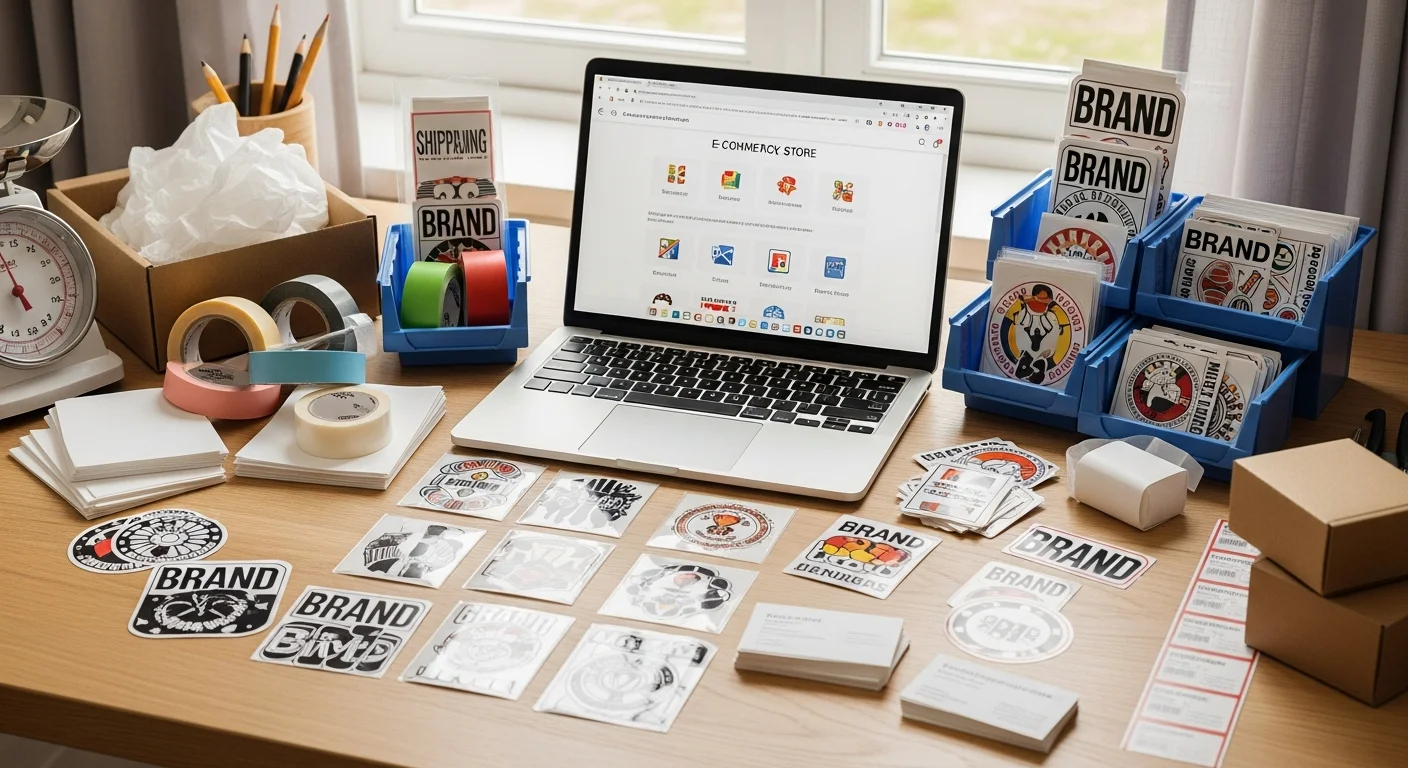
Sticker packaging for shipping serves two purposes: protecting your product during transit and creating a branded unboxing experience that delights customers. Use rigid mailers or stay-flat envelopes to prevent bending — "Do Not Bend" stickers on the exterior provide an extra layer of protection. Place stickers on a branded backing card inside a clear cellophane sleeve for a professional, retail-ready presentation.
Your packaging is also a branding opportunity. Include a thank-you card, a discount code for repeat purchases, and additional sticker samples of other designs in your line. These small touches cost pennies but generate word-of-mouth referrals, social media shares, and repeat purchases. For businesses shipping in volume, explore shipping rate discounts through platforms like Pirate Ship or ShipStation that aggregate small-business volume for carrier rate negotiations.
Scaling Beyond Your First 100 Sales
Reaching your first 100 sales is a significant milestone that validates your niche, designs, and business model. Scaling sticker business operations beyond this point requires strategic investments in systems, efficiency, and growth channels.
- Automate repetitive tasks: Use shipping software to generate labels and tracking information automatically. Set up inventory alerts to prevent stockouts of popular designs
- Expand your product line strategically: Add new designs based on sales data — double down on your bestsellers and retire underperformers. Consider adjacent products like sticker subscriptions, mystery packs, and collaboration limited editions
- Transition from POD to wholesale production: As your sales volume increases, wholesale vs retail economics shift in favor of bulk ordering. Moving from POD to bulk production can increase your margins by 2–3x. Work with a sticker printing partner to establish consistent quality and reliable supply
- Build an email list: Collect customer emails from day one and send regular updates about new designs, sales, and limited releases. Email marketing has the highest ROI of any digital channel for e-commerce businesses
- Invest in paid advertising: Once you have proven which designs sell, invest in targeted Instagram and TikTok ads to accelerate growth. Start with small daily budgets ($5–$10/day) and scale based on return on ad spend (ROAS)
- Explore wholesale accounts: Approach local boutiques, gift shops, and bookstores about carrying your stickers on consignment or wholesale. Sticker business growth through retail partnerships provides a recurring revenue stream outside of online channels
If you are also interested in other custom product businesses, explore our guide to starting a custom tumbler business for a complementary product line that shares many operational similarities with sticker entrepreneurship.
Launch Your Sticker Business with RareCustom
Starting a custom sticker business in 2026 is achievable with the right strategy, quality designs, and a reliable production partner. RareCustom supports sticker entrepreneurs at every stage — from single-sample test orders to validate your designs, through bulk production runs that maximize your sticker profit margins, to custom packaging solutions that elevate your brand presentation.
Our no-minimum ordering lets you test designs without risk, and our volume pricing ensures your margins grow as your business scales. Start designing your sticker product line with our free online tool, explore our full range of custom sticker materials and finishes, or contact our team for a consultation on launching your sticker business with the right production strategy from day one. Your first sale is closer than you think — and we are here to help you get there.
Related Articles
Share this article
Written by
Natalie Voss
Founder & CEO of RareCustom. MBA from Stanford with 8 years in e-commerce operations. Natalie shares business strategy insights for aspiring custom sticker entrepreneurs.