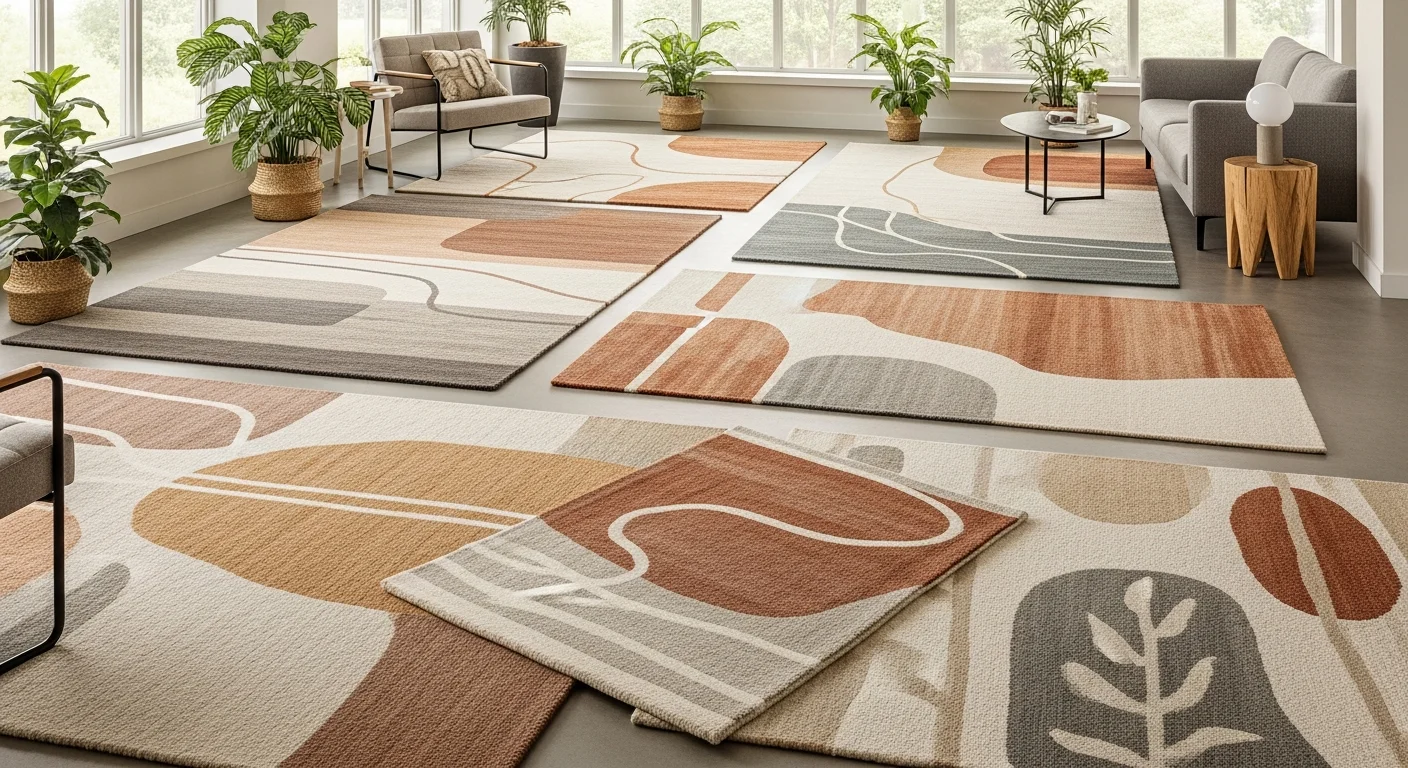
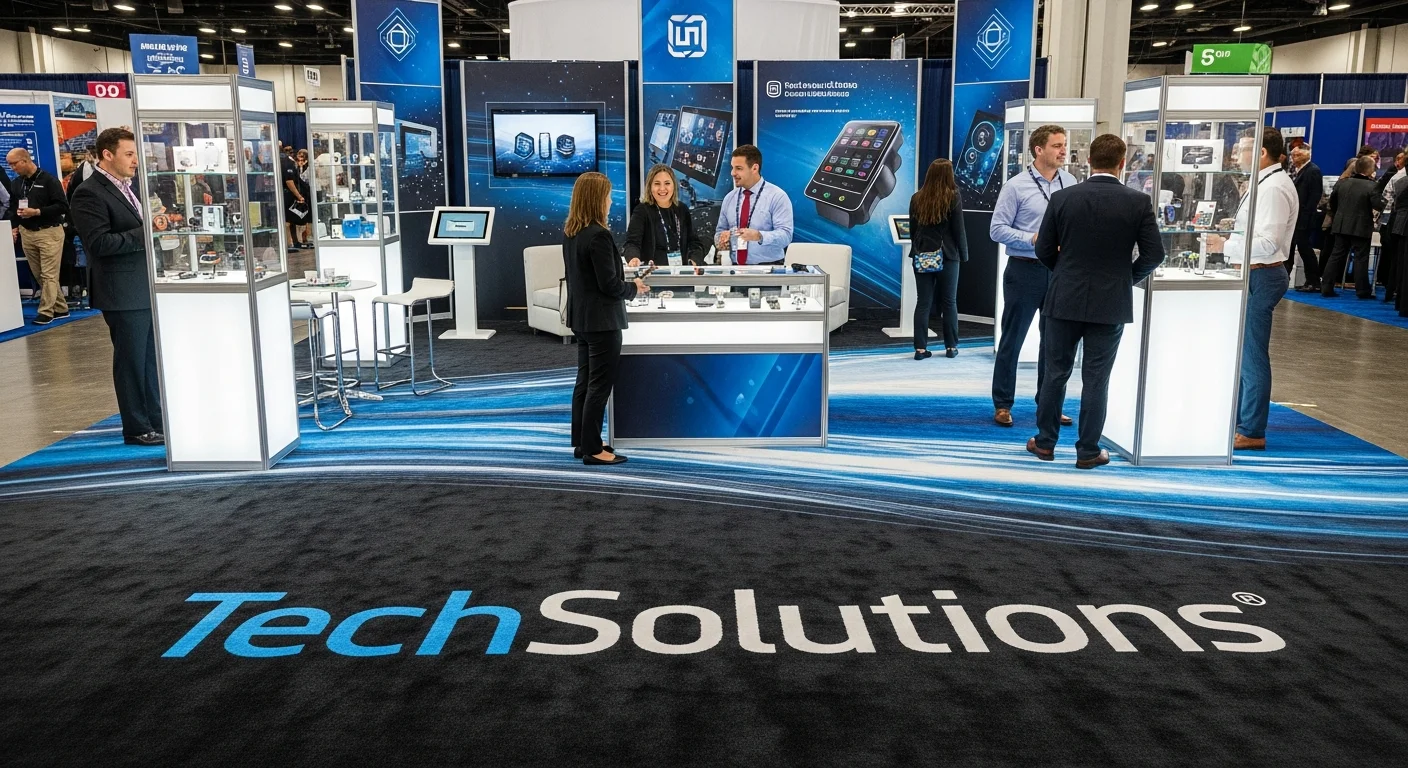
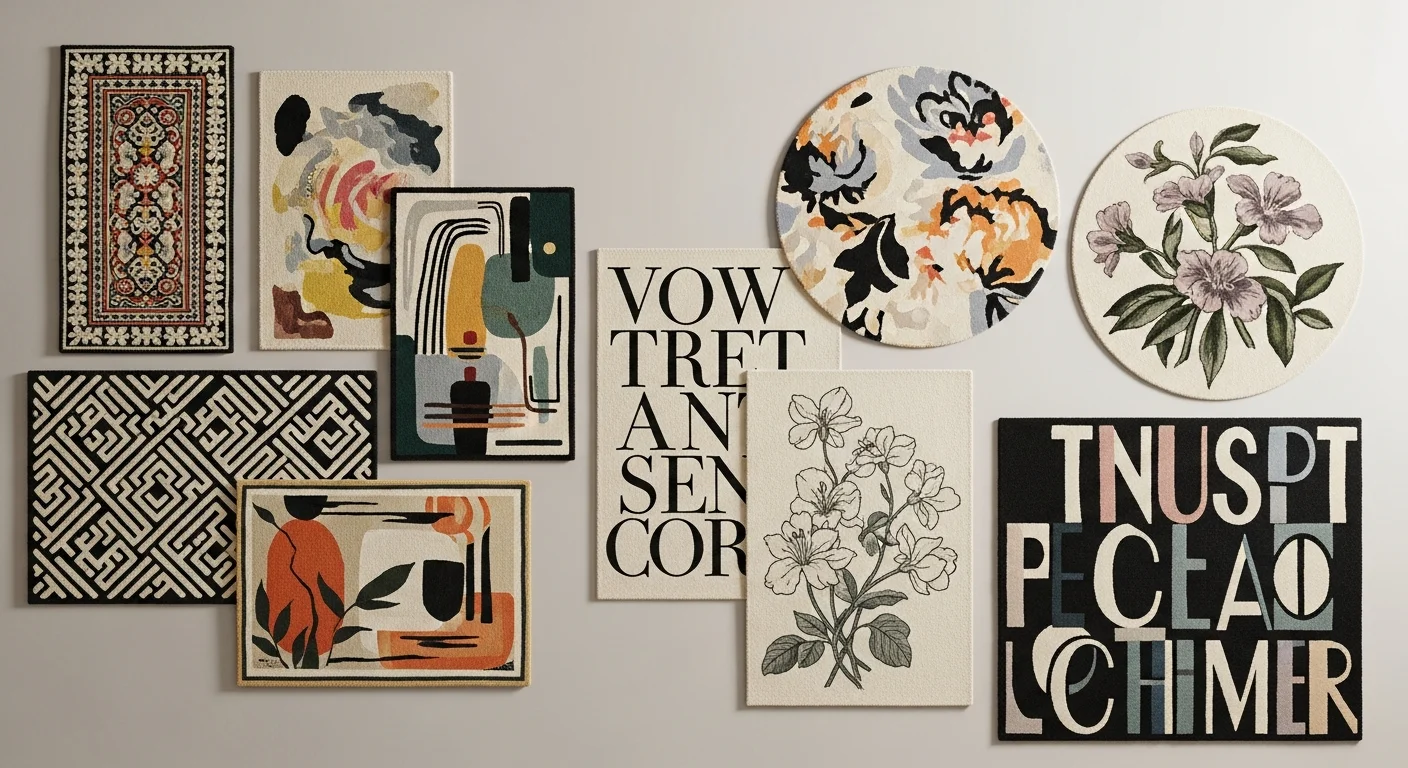
Custom Rug Sizing & Pricing Guide: Find the Perfect Fit at the Right Price
Complete guide to custom rug sizes and pricing. Covers room-by-room sizing, material costs, bulk discounts, shipping, and tips to get the best value on personalized rugs.
Natalie Voss
Founder & CEO of RareCustom. MBA from Stanford with 8 years in e-commerce operations. Natalie's transparent approach to sizing and pricing helps customers find the perfect custom rug at the best value.
Choosing the right size and understanding the pricing behind custom rugs are two of the most practical decisions in the entire ordering process. A rug that is too small for the room looks like an afterthought. One that is too large overwhelms the space or bunches under furniture. And without a clear understanding of how pricing works — what factors drive cost up, where savings hide, and how to maximize your budget — buyers often overpay for features they do not need or settle for sizes that do not fit their space properly.
This guide breaks down every aspect of custom rug sizing and custom rug price so you can make confident decisions. Whether you are ordering a single personalized doormat, a statement area rug for your living room, or a bulk run of branded mats for a business, you will find the size recommendations, pricing breakdowns, and cost-saving strategies you need right here. By the end, you will know exactly how to match area rug dimensions to your room, how material choices affect cost, how bulk discounts work, and where to find the best value without compromising quality.
Standard Custom Rug Sizes
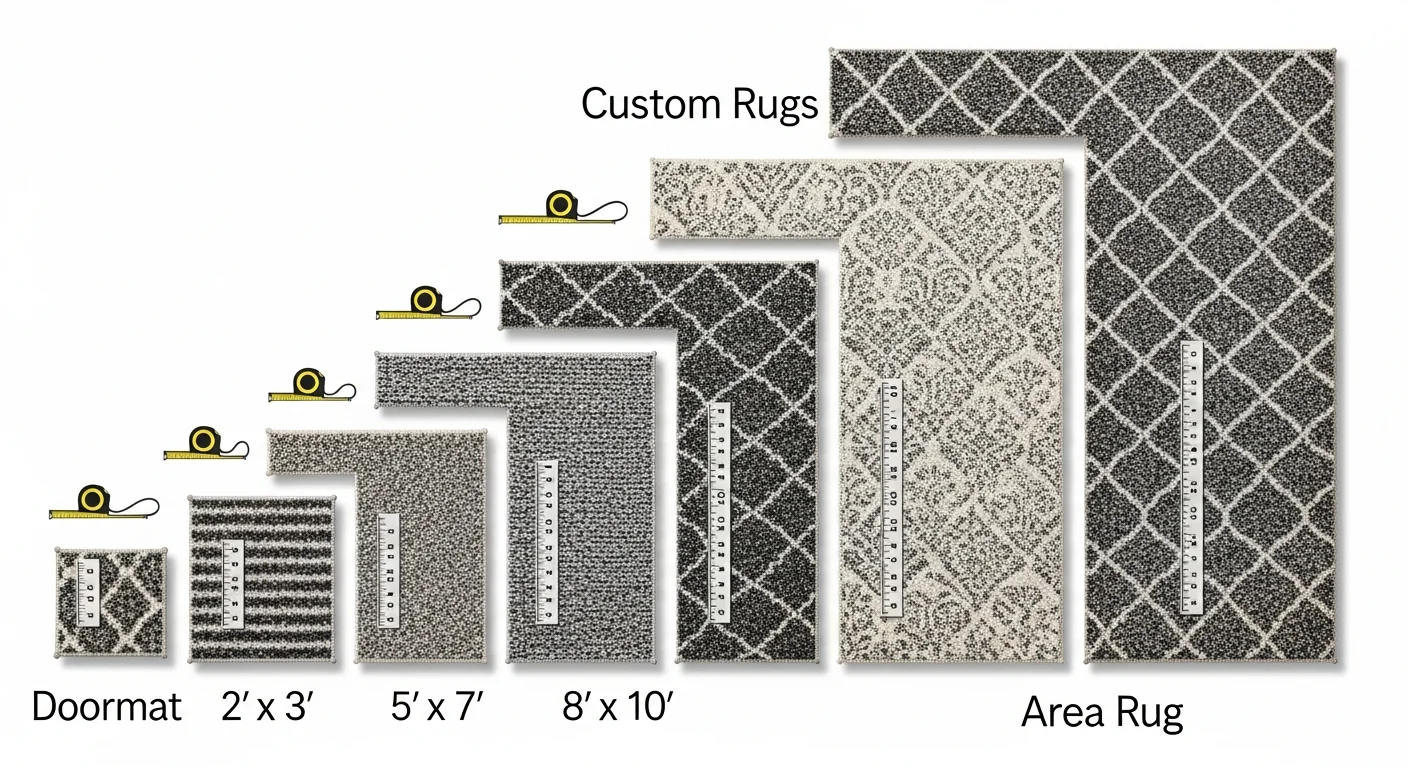
Custom rugs are available in a wide range of standard rug sizes as well as fully custom dimensions. Understanding the standard size categories helps you choose the right starting point for your project — and knowing that custom dimensions are available means you are never forced to settle for a size that does not fit your space perfectly.
The doormat size category covers rugs in the 18×30-inch to 2×3-foot range. These are the most affordable custom rug size and serve as entryway welcome mats, kitchen step-mats, bathroom accents, and small decorative pieces. Doormats are the ideal entry point for first-time custom rug buyers because their modest size keeps costs low while delivering the full personalization experience.
Accent rugs in the 3×5-foot range fill the middle ground between doormats and full area rugs. They work beside beds, in front of kitchen sinks, in hallways, at office desk stations, and in reading nooks. Accent rugs are large enough to feature detailed designs — photographs, logos, multi-element compositions — without the cost commitment of a room-sized piece. Custom rug dimensions in this category are the most popular for gift-giving because they suit multiple rooms and purposes.
Area rugs in the 5×7-foot and 6×9-foot range are the workhorse sizes for living rooms, dining areas, offices, and bedrooms. These rugs anchor furniture groupings, define spatial zones, and serve as the primary visual centerpiece of a room. Area rug dimensions at this scale demand higher-resolution source images (5,000+ pixels on the longest edge for sharp prints) and cost proportionally more due to increased material usage and production time.
Large and oversized custom rug formats at 8×10 feet and beyond suit open floor plans, conference rooms, retail spaces, and grand residential rooms. These sizes create maximum visual impact and can display complex designs, large-scale photographs, or repeating brand elements across an expansive surface. Custom dimensions beyond standard sizes are available for unusual spaces — hallway runners, L-shaped rooms, or non-rectangular floor areas — though production timelines may extend for non-standard cuts.
Runner rug dimensions typically fall in the 2×6-foot to 2.5×10-foot range, designed for hallways, corridors, behind-the-counter commercial spaces, and alongside beds. Runners require designs that work in an elongated format — repeating patterns, gradient transitions, or directional text layouts that flow along the rug's length.
Room-by-Room Size Recommendations
Selecting the right rug size for living room use is the most common sizing question. The standard recommendation is to choose a rug large enough for the front legs of all major seating to rest on the rug. For a typical sofa-and-chairs arrangement, a 5×7 or 6×9 rug works well. For larger L-shaped sectionals or open-concept living areas, an 8×10 or 9×12 rug provides adequate coverage. The rug should extend at least 6 to 12 inches beyond the furniture on all exposed sides to create a visual frame.

For rug size for bedroom placement, the most popular approach is a rug large enough to extend two to three feet beyond the sides and foot of the bed. For a queen bed, a 6×9 or 8×10 rug centered under the bed creates a plush landing zone on all three exposed sides. Alternatively, two matching accent rugs (3×5 or 2×4) placed on either side of the bed provide a symmetrical look with a lower budget. Bedside runners along the foot of the bed offer another option for narrow spaces.
Dining rooms require a rug large enough for chairs to remain on the rug even when pulled back from the table. A safe guideline is to add 24 inches to each dimension of the dining table. A 4×6-foot table should sit on a minimum 6×9 rug, while a 5×8-foot table needs an 8×10 or larger. This sizing prevents chair legs from catching on the rug edge when diners push back — a friction point that damages both rug and flooring over time.
Entryway and hallway sizing depends on the specific architecture. Standard single-door entryways suit 2×3 or 3×5 doormats. Double-door entrances and grand foyers benefit from 4×6 or 5×7 rugs that fill the entry zone and accommodate foot traffic. Hallway runners should be six to twelve inches narrower than the hallway on each side, leaving a visible strip of flooring as a natural border. For more room-specific guidance including kitchens, nurseries, and home offices, read the custom rugs home décor room-by-room guide.
How Custom Rug Pricing Works
Understanding custom rug price formation helps you anticipate costs and identify where your budget delivers the most value. Custom rug pricing is determined by four primary factors: size, material, printing method, and order quantity. Each factor contributes independently to the final per-unit cost.
Size is the largest single cost driver. Rug cost per square foot remains relatively consistent within a given material and printing method, so doubling the rug area roughly doubles the material and production cost. A 2×3 doormat requires six square feet of fabric, while a 5×7 area rug requires thirty-five square feet — approximately six times more material for the same printing process. This linear relationship makes it straightforward to estimate costs across different sizes.
Rug price by material varies significantly across fabric types. Polyester is typically the most affordable option because it is widely available, efficiently processed through dye sublimation, and produced at scale. Polyester rug price points serve as the baseline against which other materials are compared. Nylon costs more per square foot due to its superior durability and the specialized inkjet printing required. Chenille and velvet command premium pricing because of their luxurious textures and more complex manufacturing processes. The material you select should align with both your budget and your use case — spending more on nylon for a commercial entrance mat makes practical sense, while polyester delivers excellent results at a lower cost for home decorative use.
Printing method affects cost modestly. Dye sublimation (the most common method for polyester rugs) has reached economies of scale that keep per-unit costs competitive. Digital inkjet printing for non-polyester materials may carry a slight premium due to the additional pre-treatment steps and specialized inks required. For a detailed comparison of printing methods and their cost implications, see the beginner's guide to custom rugs.
Rug production cost also includes design setup, proofing, edge finishing, and quality inspection. These fixed costs are amortized across the order quantity — which is why bulk orders achieve lower per-unit pricing. A single custom rug carries the full weight of setup costs, while an order of fifty spreads those costs across every unit, reducing the rug per-unit price substantially.
Pricing by Material and Size

To give you a practical sense of personalized rug cost, here is how pricing typically breaks down across the most popular material and size combinations. Note that exact prices vary by provider, design complexity, and current material costs, but these ranges represent the industry standard for quality custom rugs in 2026.
Polyester doormats (2×3) represent the most affordable custom rug option, typically starting in the $25–$45 range. Polyester accent rugs (3×5) fall in the $50–$85 range. Polyester area rugs (5×7) generally cost $120–$180, while larger formats (8×10) range from $250–$400. These prices include full-color dye sublimation printing, anti-slip backing, and edge finishing.
Nylon rug cost typically runs 20–40 percent higher than comparable polyester sizes. A nylon 3×5 accent rug may cost $65–$110, and a 5×7 nylon area rug ranges from $160–$250. The premium reflects nylon's superior durability, which makes it the more cost-effective choice over a multi-year lifespan in high-traffic commercial settings despite the higher upfront investment.
Chenille and velvet represent the premium tier. A chenille 5×7 rug typically costs $200–$300, while velvet at the same size may reach $250–$400. These materials are selected for their tactile luxury and visual richness rather than budget efficiency — they are the right choice when the rug serves as a focal-point décor piece in a formal or low-traffic setting. For a deep dive into material characteristics, read the polyester vs nylon vs chenille custom rug materials guide.
Bulk Pricing and Volume Discounts

Bulk rug pricing is structured around volume tiers that reward larger orders with progressively lower per-unit costs. This pricing model benefits businesses ordering branded entrance mats, event organizers needing multiple custom floor pieces, retailers stocking photo rugs for resale, and organizations distributing personalized rugs as gifts or promotional items.
Typical rug quantity discount tiers follow a graduated structure. Orders of 2–9 units receive a modest discount (5–10 percent off individual pricing). Orders of 10–24 units unlock a mid-tier discount (10–20 percent). Orders of 25–49 units achieve a substantial per-unit reduction (15–25 percent). Orders of 50 or more enter wholesale custom rug pricing territory with the deepest discounts (20–35 percent or more, depending on the size and material).
The economics of bulk pricing become compelling at scale. A single 3×5 polyester rug at $75 translates to a per-unit cost of roughly $52–$60 at the 25-unit tier — a savings that compounds quickly across larger orders. Businesses ordering custom logo mats for multiple locations, franchises standardizing their entrance branding, or retailers offering personalized rug products can achieve significant cost reductions through bulk planning. For businesses considering branded rug programs, the custom logo rugs for business guide covers strategy and ROI in detail.
It is worth noting that bulk orders typically require all rugs in the batch to share the same design. Per-unit pricing for orders where every rug has a unique design (different photos, different names) may not achieve the same discount depth because each unit requires individual setup and proofing. Ask your provider about their multi-design bulk pricing policy before assuming standard volume discounts apply to fully individualized orders.
How Size Affects Print Quality

Rug size and print quality are directly connected through image resolution. As the physical rug dimensions increase, the source image must contain proportionally more pixel data to maintain the same level of sharpness and detail. Failing to account for this relationship results in blurry, pixelated prints that waste both money and the emotional value of the design.
At 200 DPI (the industry standard for sharp rug prints), a 2×3-foot doormat requires a source image of approximately 4,800 × 7,200 pixels. A 5×7-foot area rug demands roughly 12,000 × 16,800 pixels — a significantly larger file. Most smartphone cameras capture images in the 4,000–5,000 pixel range on the longest edge, which is sufficient for doormat and accent rug sizes but falls short of the ideal resolution for large area rugs.
Practically, the viewing distance of larger rugs compensates somewhat for lower-than-ideal resolution. A 5×7 rug in the center of a room is typically viewed from five to fifteen feet away, where moderate resolution softness is imperceptible. A doormat viewed from three feet as you enter a room requires higher relative sharpness. The bottom line: do not let resolution anxiety prevent you from ordering a larger rug if your image is reasonably high quality (3,000+ pixels on the longest edge). The design tool's resolution checker will flag any images that fall below the acceptable threshold.
For detailed guidance on resolution requirements, file preparation, and design file best practices, consult the beginner's guide to custom rugs.
Shipping Costs and Delivery
Rug shipping cost is a significant consideration because rugs are bulky and heavy relative to most personalized products. Shipping a 5×7-foot area rug weighing 8–15 pounds costs meaningfully more than shipping a phone case or a mug. Understanding how shipping pricing works helps you plan your total custom rug budget accurately.
Many custom rug providers, including RareCustom, offer free shipping rug policies that absorb the delivery cost into the product price, eliminating the sticker shock of separate shipping charges at checkout. Free shipping is especially valuable for larger rug sizes where the physical shipping cost would otherwise add $15–$50 or more to the order total. When comparing prices between providers, always compare the total landed cost (product price plus shipping) rather than the product price alone — a lower product price with expensive shipping may actually cost more than a slightly higher product price with free delivery.
Production timelines for custom rugs typically range from three to seven business days depending on the order size, material, and printing complexity. Shipping transit adds two to five business days for domestic delivery. Rush production and expedited shipping options are usually available for time-sensitive orders at an additional cost. If you are ordering for a specific event or occasion, allow a minimum of two weeks from order placement to account for both production and delivery with a buffer for unexpected delays.
Bulk orders may ship via freight for the most cost-effective delivery, particularly for large-format rugs in quantities of 25 or more. Freight shipping is slower but substantially cheaper per unit than individual parcel shipping. Your provider should offer clear shipping estimates and tracking information for every order.
Getting the Best Value
Maximizing the rug value comparison — getting the best quality at the best price — requires strategic thinking about material selection, sizing, and ordering approach. Several tactics help you stretch your custom rug budget without sacrificing the results you need.
Choose polyester for the best cost-to-quality ratio. Polyester rug price points are the most affordable, and dye sublimation printing on polyester delivers the best color vibrancy and print durability of any material-method combination. Unless you have a specific reason to choose nylon (extreme durability for commercial traffic) or chenille/velvet (luxury texture for decorative display), polyester is the smart default that maximizes your rug investment.
Right-size your rug for the space. An oversized rug wastes material and budget without improving the room's appearance — in fact, an rug too large for a room can make the space feel cramped. Use the room-by-room sizing guidelines above to select the minimum size that achieves full design impact. Measuring the actual floor area before ordering (and noting furniture positions) prevents expensive mis-sizing.
Consolidate orders when possible. If you need multiple rugs — different sizes for different rooms, branded mats for multiple business locations, gifts for a group — placing them in a single bulk order unlocks volume discounts that reduce the per-unit cost across every rug in the batch. Even if the designs differ, many providers offer consolidated shipping that reduces the total delivery cost compared to multiple individual orders.
Take advantage of free design tools and mockups. Rather than paying for professional design services, use the provider's built-in design tool to create and preview your rug at no cost. The ability to see a realistic mockup before committing to production eliminates the risk of paying for a rug that does not match your expectations.
Find Your Perfect Custom Rug
RareCustom offers custom rugs in every standard size from doormats to oversized area rugs, with fully custom dimensions available for non-standard spaces. Every order includes professional-grade dye sublimation printing, anti-slip backing, free shipping, and a quality guarantee. No minimum order quantities mean you can order a single personalized rug at the same per-unit quality as a bulk run.
Use the online design tool to upload your photos, logos, or artwork, select your material and size, preview a realistic mockup, and place your order — all in minutes. Whether you are furnishing your living room, branding your business entrance, or creating a one-of-a-kind gift, finding the perfect size at the right price starts right here.
FAQ
What size rug do I need for a 10×12 living room?
A 5×7 or 6×9 rug works well for a 10×12 living room, depending on your furniture layout. The rug should be large enough for the front legs of seating to rest on it, with 12–18 inches of bare floor visible between the rug edge and the walls.
How much does a custom 5×7 rug cost?
A polyester 5×7 custom rug typically costs $120–$180 with full-color printing, anti-slip backing, and free shipping. Nylon versions cost $160–$250, and chenille or velvet versions range from $200–$400 depending on the provider and print complexity.
Do you offer discounts for large orders?
Yes. Volume discounts start at orders of two or more units and increase at 10, 25, and 50-unit tiers. Orders of 50 or more units qualify for wholesale pricing with discounts of 20–35 percent or more off individual pricing.
Is shipping really free?
RareCustom offers free standard shipping on every order, regardless of size or quantity. Expedited shipping options are available at additional cost for time-sensitive projects.
Related Articles
Share this article
Written by
Natalie Voss
Founder & CEO of RareCustom. MBA from Stanford with 8 years in e-commerce operations. Natalie's transparent approach to sizing and pricing helps customers find the perfect custom rug at the best value.