Ceramic vs Glass vs Stainless Steel vs Enamel: Choosing the Right Custom Mug
Compare ceramic, glass, stainless steel, and enamel mugs for your custom project. Material properties, print compatibility, durability, pricing, and best use cases for each mug type.
Aisha Patel
Head of Materials Science & Sustainability at RareCustom. M.S. in Textile Engineering from NC State with AATCC certification and ISSP Sustainability Practitioner certification. 7+ years evaluating fabrics, materials, and eco-friendly production processes.
The material of a custom mug affects everything a buyer cares about: how the print looks, how long it lasts, how the mug feels in hand, and how much it costs per unit. Choosing between ceramic, glass, stainless steel, and enamel is not just an aesthetic preference — it is a functional decision that determines whether the finished product is dishwasher safe, microwave safe, shatterproof, insulated, or suitable for outdoor use. The wrong material choice leads to cracked mugs during shipping, faded prints after a few washes, or a finished product that does not match the occasion.
This guide compares four primary mug materials across every factor that matters: weight, heat retention, durability, print compatibility, price per unit, and ideal use cases. Whether the project is 24 wedding favor mugs, 100 corporate branded mugs for employee onboarding, or a single personalized gift, understanding each material's strengths and limitations ensures the right choice every time. For printing method details on each material, the sublimation vs screen printing vs vinyl guide covers the decoration process in depth.
Ceramic Mugs — The Classic Choice
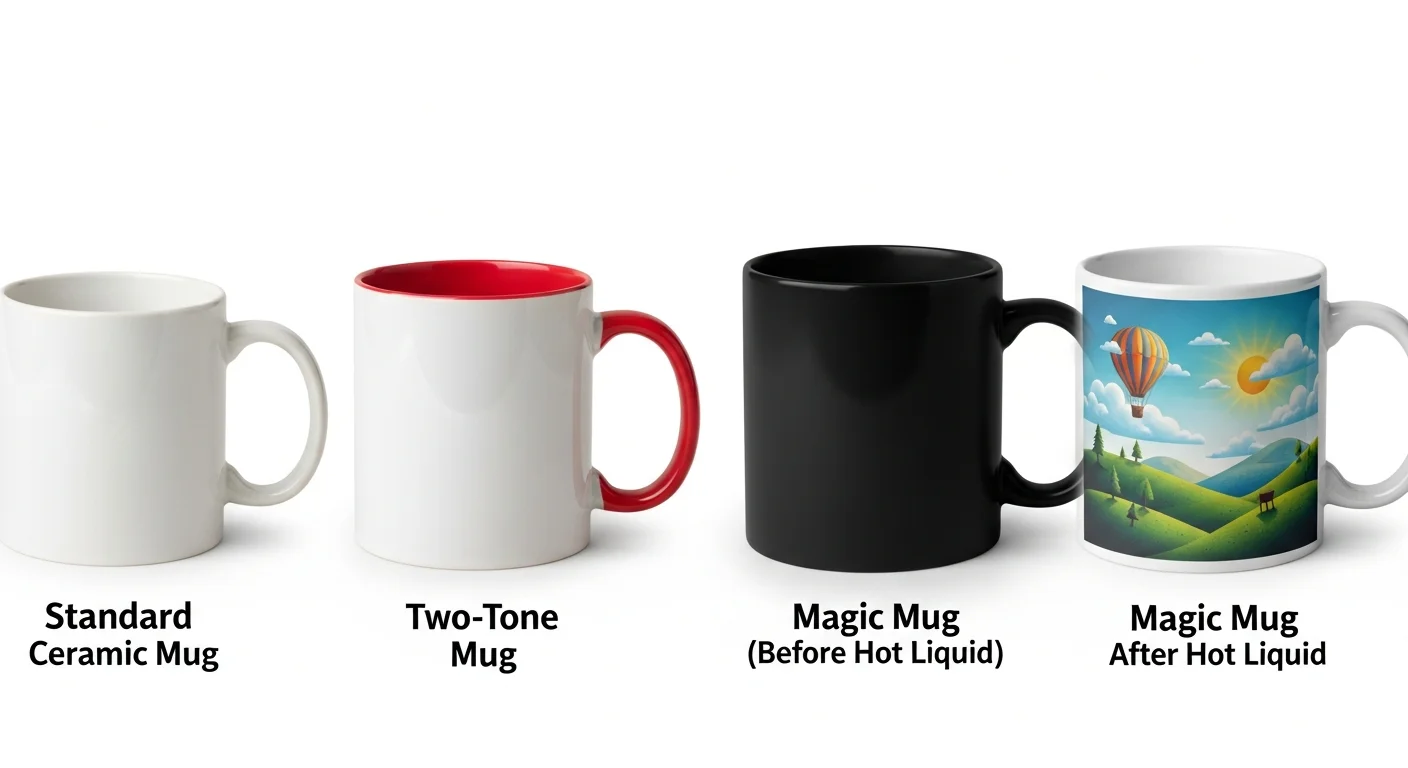
Ceramic is the most popular material for custom mugs, representing approximately 70 percent of all personalized drinkware orders. The term "ceramic" encompasses several subcategories: stoneware (the most common, fired at 2,000 to 2,300 degrees Fahrenheit for a dense, durable body), porcelain (finer-grained, fired at higher temperatures for a slightly translucent finish), and earthenware (lower-fired, more porous, less common for printed mugs). Most custom mug suppliers use stoneware or porcelain blanks coated with a white polymer layer specifically formulated for sublimation printing.
The advantages of ceramic are numerous: it provides the best print surface for sublimation with vibrant, true-to-screen colors; it is affordable ($1.50 to $4.00 per blank depending on size and quality); it is dishwasher and microwave safe; it retains heat reasonably well (a standard ceramic mug keeps coffee warm for 20 to 30 minutes); and it has the familiar weight and feel that consumers associate with a "real" coffee mug. The comfortable handle, the pleasant clink of ceramic on a desk, and the satisfying warmth radiating through the walls are part of the ceramic mug experience that other materials cannot fully replicate.
Two-tone ceramic mugs add a colored interior and matching handle to the standard white exterior, creating a built-in design accent without additional printing costs. Available in approximately 12 standard colors (red, blue, black, green, orange, pink, yellow, purple, teal, maroon, navy, and light blue), two-tone mugs add visual interest and allow the interior color to complement the exterior design. Color-changing (magic) mugs are coated with a thermochromic material that turns transparent when hot liquid is added, revealing the sublimated design beneath — a popular novelty option for gifts that creates a surprise reveal moment.
The primary limitation of ceramic is fragility. Ceramic mugs break when dropped, chip when banged against hard surfaces, and crack under sudden temperature changes (thermal shock). Shipping ceramic mugs requires careful packaging — individual foam inserts or bubble wrap plus sturdy outer cartons — which adds $0.50 to $1.50 per unit in packaging costs. For events where mugs will be transported by guests (outdoor festivals, weddings, trade shows), the breakage risk during transit home is a genuine concern.

Glass Mugs — Modern and Elegant
Glass mugs offer a distinctive, upscale aesthetic that ceramic and metal cannot match. Clear glass creates a "floating design" effect when printed with white ink — the design appears to hover in the glass while the beverage is visible through the unprinted areas. Borosilicate glass (the same material used in laboratory glassware and premium brands like Pyrex) is the most durable option, resisting thermal shock and handling daily dishwasher use. Tempered soda-lime glass is the more affordable alternative, offering good durability at a lower price point but with less thermal shock resistance.
Double-wall insulated glass mugs use two layers of borosilicate glass with an air gap between them, creating a thermal insulation effect that keeps hot beverages warm and cold beverages cold while the outer surface remains comfortable to touch. The double-wall construction also creates a visual effect where the beverage appears to float inside the mug, which adds to the premium presentation. These mugs are popular in upscale cafes, specialty coffee shops, and as premium corporate gifts.
Glass mug printing options are more limited than ceramic. UV printing (curing ink with ultraviolet light) is the most common method, producing durable, full-color prints on glass surfaces. Decal application is another option, though durability varies by adhesive quality. Sublimation does not work on standard glass because glass lacks the polymer coating needed for dye infusion. Glass mugs are typically more expensive ($3 to $7 per blank) and require more careful packaging for shipping, increasing total per-unit costs. Breakage rates during shipping are higher than ceramic, and glass mugs should be individually gift-boxed for transit.
Stainless Steel Mugs — Built to Last
Stainless steel mugs are the most durable option in the custom drinkware category. A stainless steel mug is virtually unbreakable — it can be dropped from desk height onto a hard floor without damage, making it the ideal choice for outdoor events, travel, active lifestyles, and environments where breakage is a concern. Single-wall stainless steel mugs are lightweight and affordable but conduct heat rapidly, making the exterior too hot to hold with bare hands when filled with hot beverages. Double-wall vacuum-insulated stainless steel mugs solve this problem by creating an air gap (or vacuum) between inner and outer walls, keeping beverages hot for 4 to 6 hours or cold for 8 to 12 hours while the exterior remains comfortable to touch.
Decoration options for stainless steel include laser engraving (etching the design into the metal surface for a permanent, elegant effect) and direct printing (UV or screen printing onto the metal surface or a coating applied over the metal). Laser engraving produces a subtle, premium look — the design appears as a contrasting shade of the metal itself — but is limited to single-color, monochromatic designs. Full-color printing on stainless steel requires a white base coat applied over the metal, which adds processing time and cost.
Stainless steel mugs are the most expensive blank option, ranging from $5 to $12 per unit for quality double-wall insulated models, plus $2 to $5 for laser engraving or $3 to $6 for full-color printing. However, the premium price is often justified for high-value corporate gifts, executive presents, and employee onboarding kits where the perceived quality needs to match the brand's positioning. Stainless steel mugs pair well with custom tumblers for a coordinated drinkware gift set.

Enamel Mugs — Vintage and Outdoor Appeal
Enamel mugs are made from pressed steel coated with a layer of powdered glass (enamel) that is fused to the metal at high temperatures. The result is a lightweight, durable mug with a distinctive retro aesthetic — the rolled rim, the speckled finish, and the slightly imperfect handmade quality evoke camping trips, farmhouse kitchens, and outdoor adventure. Enamel mugs have surged in popularity for custom merchandise, particularly among outdoor brands, craft breweries, national parks, wedding planners, and lifestyle brands seeking a rustic or vintage aesthetic.
Enamel mugs accept screen printing and direct printing well, producing bold, clean designs on the smooth enamel surface. The white enamel interior and exterior provide an excellent base for colored ink. Sublimation is not typically used on enamel because the enamel surface lacks the polymer coating required for dye infusion. Enamel mugs are campfire safe (they can be placed directly on a camp stove or near a fire), which adds functional appeal for outdoor merchandise and adventure-themed products.
The primary limitation of enamel is chipping. If the mug is dropped or banged against a hard surface, the enamel coating can chip, exposing the raw steel beneath. While this does not affect functionality (the steel is food-safe), it can detract from the appearance. Enamel mugs also do not retain heat as well as ceramic or insulated stainless steel — the thin metal walls cool quickly. Pricing ranges from $3 to $6 per blank, making enamel a mid-range option that carries strong perceived value due to its artisanal, handcrafted aesthetic.

Material Comparison Table
The following comparison summarizes the key characteristics of each mug material across the factors that matter most for custom merchandise decisions:
Weight: Ceramic 300 to 400 grams (medium); glass 200 to 350 grams (light to medium); stainless steel 200 to 350 grams (light to medium); enamel 150 to 250 grams (lightest).
Heat retention: Ceramic 20 to 30 minutes; glass 15 to 25 minutes (double-wall extends to 30 to 45 minutes); stainless steel double-wall 4 to 6 hours; enamel 10 to 15 minutes.
Durability: Ceramic breaks on impact; glass breaks on impact (borosilicate is more resistant); stainless steel virtually unbreakable; enamel dents and chips but does not shatter.
Dishwasher safe: Ceramic yes; glass yes (borosilicate); stainless steel yes; enamel yes.
Microwave safe: Ceramic yes; glass yes (borosilicate); stainless steel no (metal); enamel no (metal).
Price range per blank: Ceramic $1.50 to $4.00; glass $3.00 to $7.00; stainless steel $5.00 to $12.00; enamel $3.00 to $6.00.

Print Method Compatibility by Material
Each material works with specific printing methods, and mismatching the method to the material results in poor print quality or premature wear. Ceramic is compatible with sublimation (the best option for full-color personalized mugs) and screen printing (best for bulk orders with simple logos). Glass works with UV printing and decal application but not standard sublimation. Stainless steel is best served by laser engraving for a premium monochrome look or UV/screen printing over a white base coat for full-color designs. Enamel accepts screen printing and direct printing but not sublimation. For a deep-dive into each printing method's process, cost, and durability, read the printing methods comparison guide.
Choosing the Right Mug for Your Project
Corporate gifts on a budget: Standard white ceramic mugs with sublimation printing deliver the best value — full-color branding at $4 to $7 per unit all-in for orders of 50 or more. For premium executive gifts, switch to double-wall stainless steel with laser engraving for a luxurious feel at $10 to $18 per unit. See the corporate gifts strategy guide for detailed brand-building approaches.
Wedding favors: Classic ceramic mugs with the couple's names and date suit most wedding themes and budgets ($3 to $5 per unit in bulk). For rustic, farmhouse, or outdoor weddings, enamel mugs add thematic charm at a modest premium. For elegant, formal receptions, double-wall glass mugs create a sophisticated keepsake. The weddings and events guide covers design ideas for every wedding style.
Outdoor events and travel: Stainless steel or enamel mugs are the clear winners for any situation where breakage is a risk — camping trips, outdoor festivals, trade shows with foot traffic, and travel gift sets. Enamel adds a distinctive aesthetic that photographs beautifully for social media.
Photo gifts: Ceramic with sublimation printing is the only option that reproduces photographs with true-to-life color accuracy and fine detail. No other material and printing combination delivers photographic quality on a mug surface.
Design Your Perfect Custom Mug
Choosing the right material is the foundation of a successful custom mug project — it determines the print quality, durability, and overall impression the finished product delivers. Start with the free online design tool to create a design, preview it on a 3D mug mockup, and select the mug type that fits the project's needs. Browse the full custom mugs collection to see available options and current pricing with no minimum order requirements.
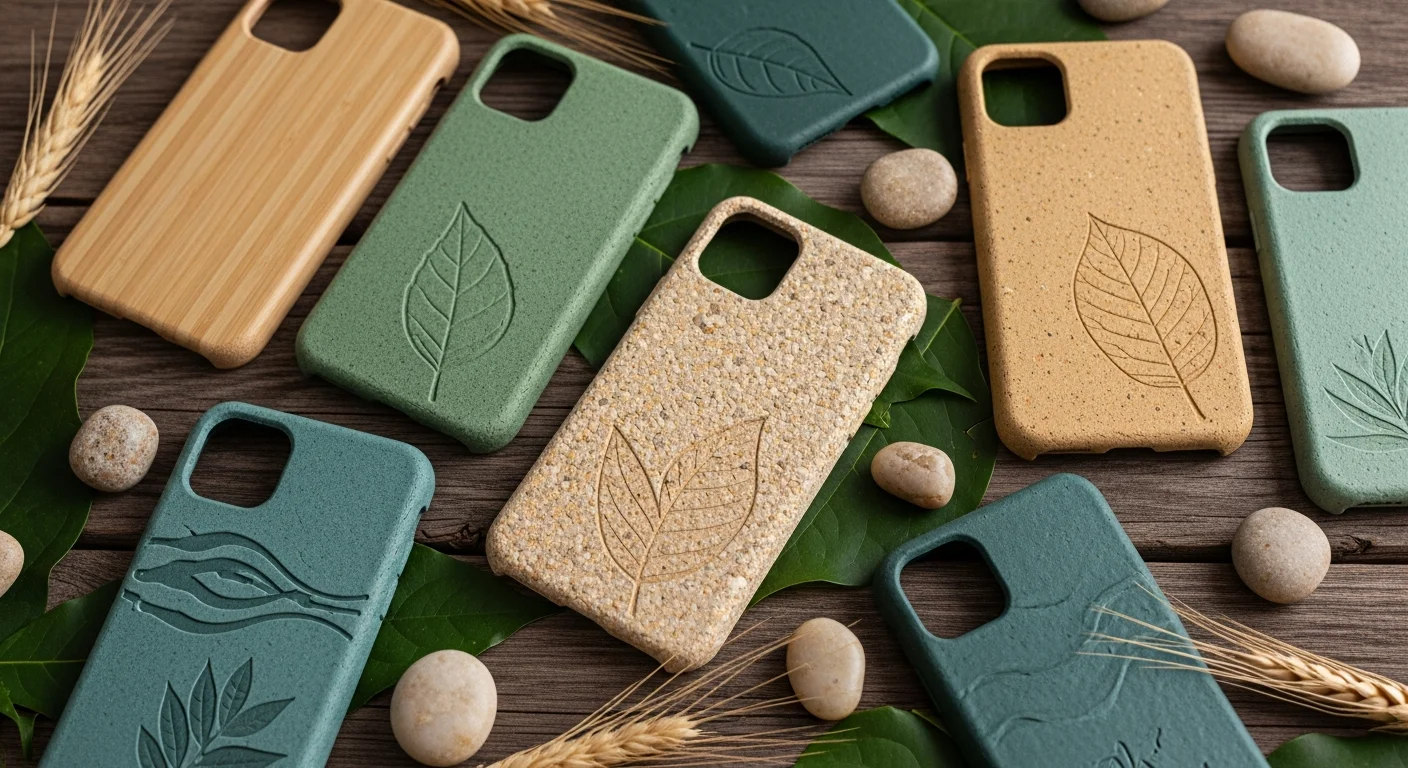
For those sourcing eco-friendly custom mugs, the sustainable mugs guide covers recycled ceramic, bamboo fiber composites, and other environmentally responsible options gaining popularity in 2026.
Frequently Asked Questions
Which mug material is the most durable?
Stainless steel is the most durable mug material — it is virtually unbreakable and will not chip, crack, or shatter even when dropped from desk height. Enamel is the second most durable (dent-resistant but can chip at the rim), followed by ceramic and glass (both break on impact). For maximum durability in a traditional mug form factor, choose double-wall stainless steel.
Can I microwave a stainless steel mug?
No. Stainless steel and enamel mugs should never be placed in a microwave because the metal body can cause sparking and damage to the microwave. Only ceramic and borosilicate glass mugs are microwave safe. If microwave compatibility is important for the end user, choose ceramic.
Which material is best for sublimation printing?
White ceramic with a polymer sublimation coating produces the best sublimation results — vibrant full-color prints with photographic detail, smooth texture, and permanent durability. Sublimation-coated stainless steel is a secondary option but produces slightly less vibrant results. Glass and enamel do not support standard sublimation printing.
Related Articles
Share this article
Written by
Aisha Patel
Head of Materials Science & Sustainability at RareCustom. M.S. in Textile Engineering from NC State with AATCC certification and ISSP Sustainability Practitioner certification. 7+ years evaluating fabrics, materials, and eco-friendly production processes.